Who Were the Samaritans in the Bible – And Who Are They Today?

Who Were the Samaritans in the Bible – And Who Are They Today?
Few groups in the bible carry as much weight in a single name as the Samaritans. They appear in some of the most powerful stories Jesus ever told, yet most readers know almost nothing about who they actually were, why jewish people despised them, or what happened to them after the last page of the new testament was written. This article traces the Samaritans from their ancient origins through centuries of conflict with judaism, examines their distinctive beliefs and leadership, and explains why Jesus Christ made a deliberate point of crossing into their territory to speak with a samaritan woman at a well in samaria.
Notable Overviews
-
The Samaritans emerged after the assyrian exile split the kingdom of israel, becoming bitter rivals of the jews over questions of ethnic purity, sacred geography, and legitimate worship. They still exist today as a tiny samaritan community of roughly 860 individuals living near mount gerizim and in Holon, israel.
-
Samaritans accept only their own samaritan pentateuch (their version of the torah) as sacred scripture, center worship on mount gerizim as the holiest site, and reject the jerusalem temple as God's chosen sanctuary.
-
Jewish hostility grew because Samaritans opposed the rebuilding of jerusalem, built a rival samaritan temple, and sometimes collaborated with foreign powers against Judea.
-
The new testament shows Jesus deliberately engaging Samaritans-especially the samaritan woman at the well (John 4) and the good samaritan parable (Luke 10)-to confront ethnic hatred and religious pride.
-
Modern Samaritans retain a hereditary high priest, distinct festivals including a public Passover sacrifice on Mount Gerizim, and a leadership structure that preserves their ancient traditions despite centuries of persecution.
Who Are the Samaritans? (Quick Overview)
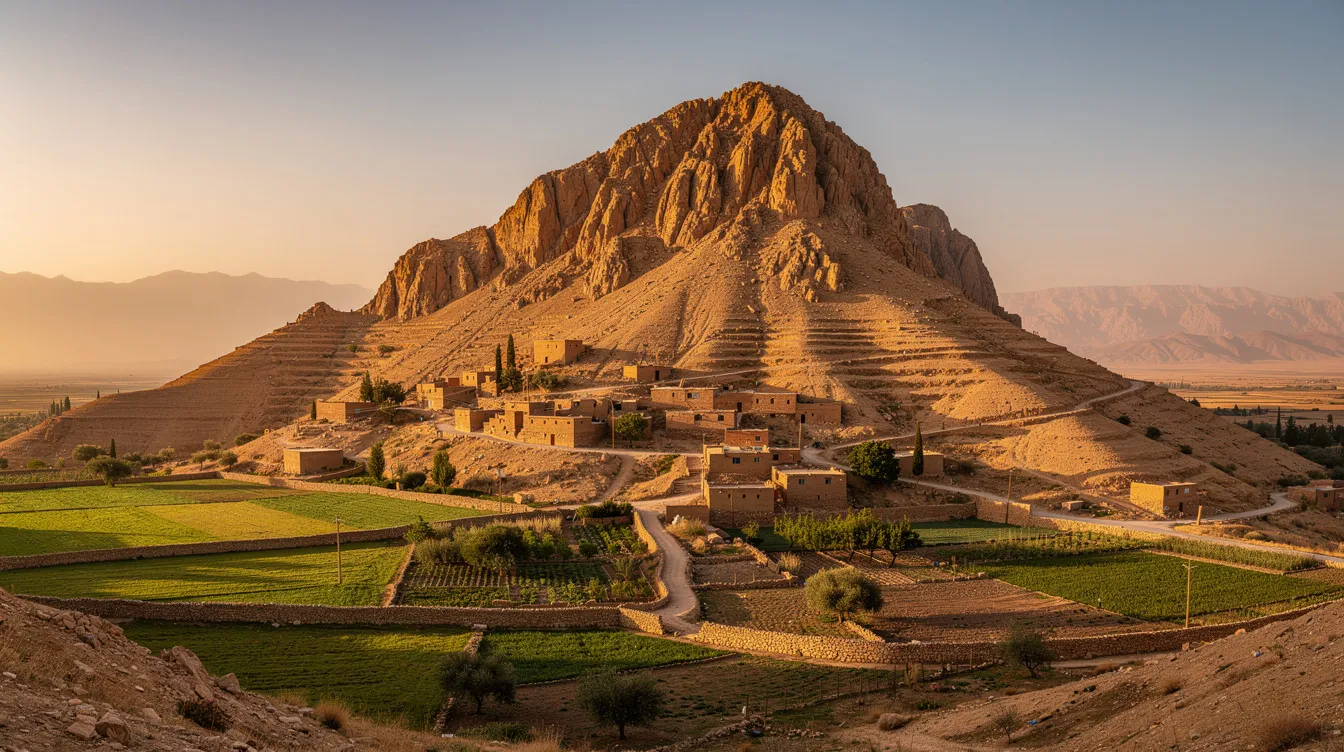
The Samaritans are an ancient ethnoreligious group with deep historical ties to the israelite tribes of the hebrew bible. They originated in the region of samaria-the heartland between Judea and Galilee-and developed a religion closely related to, but distinct from, what became mainstream judaism.
Samaritans call themselves Bene Israel, meaning "children of Israel," and see themselves as the true preservers of the original Mosaic faith. Rabbinic jewish tradition, by contrast, has often treated them as outsiders or a mixed people descended from foreign settlers imported during the Assyrian period.
Geographically, samaria corresponds largely to today's central west bank, with mount gerizim-located near the ancient city of Nablus-standing as the Samaritans' holiest site. Today, the samaritan community numbers about 860 individuals, divided between two locations: Kiryat Luza on Mount Gerizim and a neighborhood in Holon near tel aviv.
This article explores their origins, the roots of their contentious relationship with jewish people, their distinctive beliefs and scriptures, their leadership structure, and why jesus made a point of ministering to them.
Origins of the Samaritans: From Assyrian Exile to Persian Period
The story of the Samaritans begins with one of the ancient world's most devastating military campaigns. In 722/721 BCE, the Assyrian Empire under Sargon II conquered the northern kingdom of israel, ending a political entity that had existed for over two centuries. The assyrian conquest scattered the population of samaria and reshaped the region permanently.
According to the Jewish perspective recorded in 2 Kings 17, the Assyrians deported many Israelites and resettled the land with peoples from Cuthah, Hamath, Sepharvaim, and other regions. These foreign settlers intermarried with the Israelites who remained, creating what jewish people later viewed as a religiously compromised, ethnically mixed population. The biblical accounts describe how the newcomers syncretized Yahweh worship with their own foreign cults, laying the theological groundwork for later Jewish suspicion.
The Samaritan self-understanding tells a different story. They claim descent from the tribes of Ephraim and Manasseh-the Joseph tribes-who never abandoned the holy land or true worship. In their view, they are the only people who preserved the authentic Mosaic faith without interruption.
During the persian period (after 539 BCE), when Judean exiles returned under leaders like Ezra and Nehemiah, the people of Samaria opposed the rebuilding of Jerusalem's walls and temple. This opposition-documented in Ezra 4-deepened the animosity between the two groups and planted seeds that would grow into centuries of hostility.
The schism hardened decisively during the Hasmonean period, when Judean rulers fought Samaria both militarily and religiously, culminating in the destruction of the Samaritan sanctuary on Mount Gerizim.
Samaria in the Old Testament: Roots of a Bitter Rivalry
The old testament lays the historical and theological foundation for the later Jewish–Samaritan conflict, even though the term "Samaritans" in its full ethnic-religious sense doesn't appear until later sources.
Samaria became the capital of the northern kingdom of Israel under King Omri in the 9th century BCE, establishing a distinct political and spiritual center separate from jerusalem. This northern capital developed its own royal court, cultic traditions, and alliances-often at odds with the southern kingdom of Judah.
Prophets like Hosea, Amos, and Micah condemned idolatry, syncretism, and social injustice in Samaria in harsh terms. These prophetic critiques reinforced later jewish tradition's suspicion that anything associated with Samaria was spiritually tainted. The prophets' warnings about unfaithfulness became a lens through which Jews interpreted Samaritan religion for centuries.
After the babylonian exile, books like Ezra and Nehemiah portray "peoples of the land"-often identified with early Samaritans or their predecessors-actively frustrating Judean rebuilding efforts. In Ezra 4, Samarian officials sent letters to Persian kings accusing Judean leaders of plotting revolt, which led to the suspension of construction work on the jerusalem temple.
These episodes planted the view that Samaritans were not only religiously compromised but also political threats who sided with foreign empires against God's people. By the time the old testament narrative closes, the ingredients for a bitter, generational rivalry were firmly in place.
Why Did Jewish Culture Hate the Samaritans?
By the time of Jesus day in the 1st century AD, Jewish hatred for Samaritans was deep, emotional, and centuries old. Understanding this hostility requires looking at several overlapping factors.
Key reasons for the hostility:
-
Perceived ethnic impurity - The narrative from 2 Kings 17 that Samaritans descended from foreign settlers imported during the assyrian exile made them "mixed" in Jewish eyes. Jewish purity laws and ethnic distinctions reinforced this suspicion.
-
Theological deviations - Samaritans rejected jerusalem as God's chosen place, denied the authority of the Prophets and Writings, and maintained their own version of the Torah. This placed them firmly outside mainstream judaism.
-
Political collaboration - Samaritans' history of aligning with Persian, Hellenistic, and other foreign authorities against Judean interests created a lasting image of betrayal.
-
The rival temple - The construction of the samaritan temple on mount gerizim directly challenged Jerusalem's unique status as the only legitimate place of sacrifice.
The Hasmonean period marked a decisive rupture between Jews and Samaritans. Under the Hasmonean ruler John Hyrcanus I (reigned c. 135–104 BCE), Judean forces conquered Samaria and destroyed the Gerizim temple around 110 BCE, an act that intensified mutual resentment and left generational trauma among Samaritans.
In daily life during the Second Temple period, jews often avoided traveling through Samaria, refused to eat Samaritan food or share utensils, and debated whether Samaritans were ritually clean. Rabbinic texts labeled them as heretics, schismatics, or foreigners.
The animosity was mutual. Samaritans saw jews as apostates who had chosen the wrong sanctuary and corrupted the true Mosaic faith handed down through moses.
What Did the Samaritans Do to Anger the Jews? Concrete Historical Examples
Beyond general hostility, specific events and behaviors inflamed Jewish anger toward Samaritans across multiple centuries.
Opposition to Jerusalem's rebuilding (5th century BCE)
When Judean exiles returned under Zerubbabel, Ezra, and Nehemiah, Samaritan leaders actively opposed the rebuilding of both the jerusalem temple and the city walls. Ezra 4 records that Samaritan officials sent formal letters of accusation to Persian kings, claiming that the Jews were plotting sedition. These letters temporarily halted construction and were seen by jewish people as outright betrayal.
Rejection and counter-moves
When Samaritan elites initially offered to help with the temple rebuilding, Judean leaders rejected their participation-arguing that the returnees alone had the right to rebuild. This rejection hardened divisions on both sides, pushing Samaritans toward establishing their own independent religious center.
The rival temple on Mount Gerizim
Samaritans built a temple on mount gerizim, dated by many scholars to the 5th century BCE. This rival sacrificial center attracted Israelite worshipers away from Jerusalem and directly challenged the legitimacy of the Judean priesthood. For Jews, the existence of a competing sanctuary was heretical-a violation of Deuteronomy's centralizing demands.
Political alliances with foreign powers
Throughout the Hellenistic and Roman periods, Samaritan elites sometimes aligned with imperial authorities-Persian, Seleucid, or Roman-when Judean leaders sought greater autonomy. These alliances fed perceptions that Samaritans were traitors who placed self-interest above solidarity with fellow Israelites.
Temple desecration stories
Later Jewish sources record incidents-some contested by historians-of Samaritans allegedly scattering human bones in the jerusalem temple courtyard or collaborating with Roman authorities to undermine Judean interests. Whether fully historical or not, these stories shaped Jewish collective memory and reinforced the two groups' mutual distrust.
Over centuries, both political maneuvering and religious rivalry entrenched the Samaritan image as troublemakers in many Jewish minds.
Beliefs and Scriptures: Samaritan Version vs Jewish and Christian Bibles
Samaritans and jews share roots in the torah, but they diverge significantly when it comes to sacred texts and core doctrines.
Scripture: Torah only
Samaritans recognize only the Torah-the first five books of moses-as their sacred scripture. They reject the Prophets, the Writings, and the Psalms that form the rest of the Jewish old testament. They have no Talmud, no Mishnah, no rabbinic oral law. Instead, they rely on their own priestly commentaries and samaritan tradition for legal and liturgical guidance.
The Samaritan Pentateuch
The samaritan pentateuch is their version of the Torah, and it differs from the Jewish Masoretic Text in approximately 6,000 places. Many differences are minor-spelling, phonetics, word order-but some carry enormous theological weight:
| Feature | Samaritan Pentateuch | Jewish Masoretic Text |
|---|---|---|
| Deuteronomy 12:5 | "the place God has chosen" | "the place God will choose" |
| Deuteronomy 27:4 (altar location) | Mount Gerizim | Mount Ebal |
| Ten Commandments | Includes a commandment about Gerizim | No Gerizim commandment |
| Chronologies | Some age/date differences | Different figures in places |
The samaritan version thus hardwires Mount Gerizim into the text of scripture itself, making it not a later tradition but a divine command from moses.
The Samaritan Pentateuch provides a critical Hebrew text type for biblical studies, and samaritan history is significant for biblical scholarship because some of its readings agree with the Septuagint against the Masoretic Text, shedding light on the transmission of the hebrew bible.
Core theological convictions
Samaritan belief centers on strict monotheism, the supreme authority of moses as prophet, the eternal holiness of mount gerizim, and the expectation of a coming restorer figure called the Taheb-a Moses-like figure who will renew true worship. They reject Davidic kingship and later prophetic authority.
Christians, by comparison, use both old testament and new testament, accepting Jesus as Messiah. Samaritans limit themselves essentially to their version of the torah plus later Samaritan liturgy-a canon dramatically smaller than either the jewish or christian bible.
Mount Gerizim vs Jerusalem: The Center of the Conflict
The question of where God should be worshiped stands at the absolute heart of the Jewish–Samaritan division.
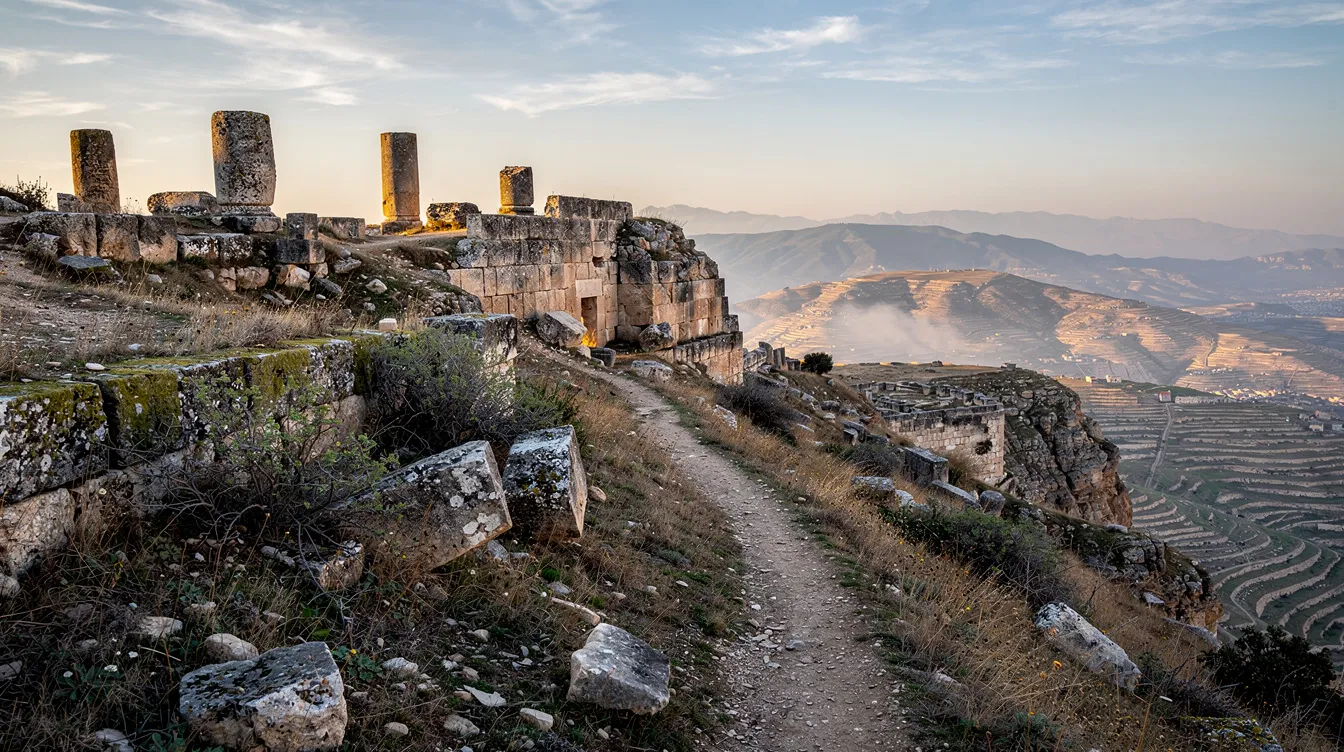
Mount Gerizim rises above modern Nablus in the west bank, and its biblical associations run deep. In Deuteronomy 11 and 27, it is the mountain of blessing. In Joshua 8, it serves as a site of covenant renewal. For Samaritans, Mount Gerizim was the original Holy Place for Israelites-the location where Abraham prepared to sacrifice Isaac and where god established His name forever. Samaritans believe Mount Gerizim is God's chosen sanctuary, a conviction embedded in their scriptural text.
Jews, using the Masoretic old testament, locate Abraham's sacrifice on Mount Moriah-identified with Jerusalem's Temple Mount and mount zion-creating a competing sacred geography that placed the two communities at irreconcilable odds.
The temple on mount gerizim functioned with sacrifices and festivals modeled on ancient Israelite worship, rivaling the jerusalem temple as a legitimate center of religious observance. The temple on Mount Gerizim was destroyed in 110 BCE by John Hyrcanus, but even after its destruction, Samaritans never abandoned Gerizim as their eternal sanctuary. They continued gathering there for passover sacrifices and major feasts-a practice that continues to this day.
In the new testament dialogue with the samaritan woman at Jacob's well, jesus directly addresses this Gerizim-versus-Jerusalem dispute. His response-that true worshipers will worship the Father "in spirit and truth"-cuts through the geographic rivalry entirely, redefining worship beyond any single mountain or temple.
Samaritans in the New Testament: Stories of Conflict and Grace
The new testament-especially the Gospels of Luke and John and the book of Acts-provides key windows into how jews and Samaritans interacted during the time of jesus and the early church.
The geographic context matters. Most jewish travelers going between Galilee and Judea would detour around samaria entirely, crossing the Jordan River to avoid setting foot in Samaritan territory. The social separation was that deep.
Key New Testament episodes involving Samaritans:
-
Luke 9:51–56 - A Samaritan village refuses to give jesus lodging because He is heading toward jerusalem. His disciples James and John want to call down fire from heaven in response. Jesus rebukes them-a moment that captures the raw hostility between the two groups.
-
Luke 17:11–19 - Jesus heals ten lepers. Only one returns to give thanks, falling at Jesus' feet with a loud voice of praise, and he is identified as a Samaritan. Jesus uses this to contrast genuine gratitude with religious presumption.
-
Luke 10:25–37 - The Parable of the good samaritan is a deliberate reversal of Jewish expectations. A priest and a Levite (a jewish kohen and his associate) pass by an injured man, while the despised Samaritan becomes the model of mercy and neighborliness.
-
Acts 1:8 and Acts 8 - Jesus commands His followers to be witnesses "in Jerusalem, Judea, Samaria, and to the ends of the earth." Philip's mission in Acts 8 brings great joy to Samaria as many samaritans believe, and the holy spirit is received. Samaria becomes one of the earliest mission fields outside Jerusalem.
New testament writers use Samaritans as a test case for living out God's love across historic hatred, fulfilling Jesus' call to break ethnic and religious barriers.
The significance of these encounters becomes much clearer when we consider how the original audience would have understood them. To a modern reader, the Good Samaritan may seem like a straightforward lesson about helping others, but to Jesus' listeners, making a Samaritan the example of compassion challenged generations of religious and cultural hostility. The story was not simply about kindness; it confronted assumptions about who could be considered a neighbor and who was worthy of respect. This illustrates why understanding the first-century culture surrounding Scripture is essential to hearing these stories as their original audiences might have heard them.
Jesus and the Samaritan Woman at the Well: Why This Encounter Matters
John 4:4–42 records one of the most culturally explosive encounters in the Gospels. Jesus travels through samaria-a route most Jews avoided-stops at Jacob's well near Sychar around noon, and speaks with a samaritan woman.
The cultural taboos jesus crosses are staggering. A Jewish rabbi speaking privately with a woman was unusual. Speaking with a Samaritan was scandalous. Speaking with a Samaritan woman who had a morally complicated past-five previous husbands, currently with a man who wasn't her husband-overturned every layer of social, ethnic, and religious prejudice simultaneously.
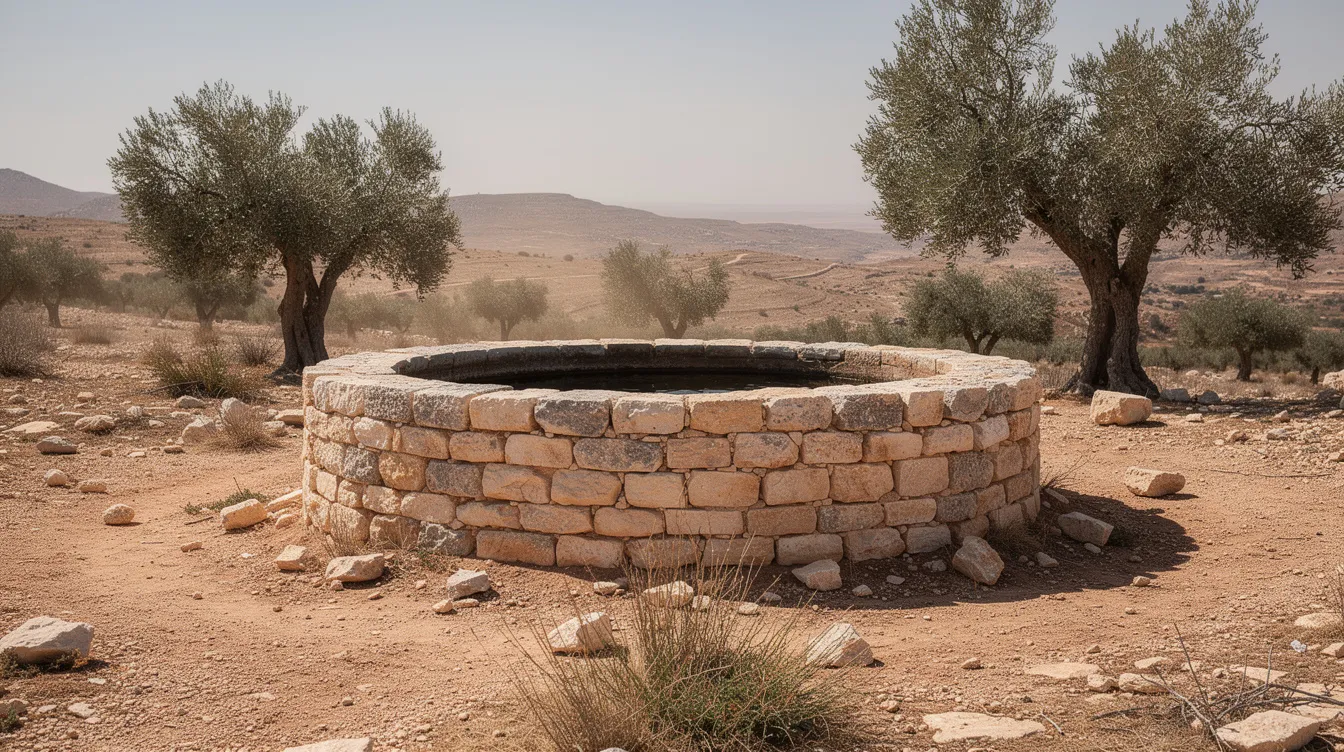
Their conversation begins with physical water and moves to "living water," revealing Jesus' offer of eternal life that transcends ethnic and religious boundaries. The woman raises the central theological dispute: "Our ancestors worshiped on this mountain, but you Jews claim that the place where we must worship is in jerusalem."
Jesus' response is both affirming and revolutionary. He acknowledges that "salvation is from the Jews"-honoring jewish custodianship of God's saving plan-but then announces that "a time is coming when you will worship the Father neither on this mountain nor in Jerusalem… true worshipers will worship the Father in the Spirit and in truth." This statement undermines the central point of the Samaritan–Jewish rivalry in a single sentence.
Jesus told her plainly that He was the Messiah, one of the most direct claims He made during His ministry. The woman's testimony led many samaritans from that town to believe in Jesus, making samaria one of the first places to respond corporately to His message.
This encounter reveals Jesus' intentional effort to impact Samaritans: confronting Jewish hatred, honoring Samaritan dignity, and preparing the way for the later Samaritan mission described in Acts 8.
Samaritan Leadership and Community Structure
Samaritan religious and social life has long been organized around a hereditary priesthood and tight communal leadership. Their religious leader is the High Priest from a priestly family claiming an unbroken line of descent from Aaron's son Eleazar-a lineage they trace back over 3,000 years.
The High Priest's role includes:
-
Overseeing passover sacrifices on Mount Gerizim
-
Managing the festival calendar according to the samaritan tradition
-
Interpreting Samaritan law from the torah
-
Making major communal decisions
-
Resolving disputes within the community
Below the high priest, other priests and elders assist with liturgy, teaching, circumcisions, marriages, and adjudicating religious questions. Samaritans adhere strictly to Mosaic Law with a hereditary priesthood that has no parallel in modern judaism or christianity.
The samaritan community is organized around four primary lineages: the priestly Cohen lineage (from Aaron), the Tsedakah lineage (from Manasseh), the Joshua-Marhiv lineage (from Ephraim), and the Danafi lineage (also from Ephraim). These lineages govern marriage, ritual roles, and communal identity.
In modern times, the samaritan enclave communities in Holon and Mount Gerizim also have lay municipal leaders who interact with Israeli and Palestinian authorities on civil matters. Leadership has adapted through multiple political eras-byzantine period, Islamic rule, Ottoman Empire, British Mandate, and the current Israeli and Palestinian administrations-while always centering on the High Priest's spiritual authority.
This compact, priest-centered structure has been crucial for helping the samaritans survive despite their tiny population and repeated persecution.
From Byzantine Period to Modern Times: Survival Through Empires
The Samaritan story from Late Antiquity through the modern era is one of dramatic decline and stubborn survival under shifting imperial powers.
Byzantine Period (4th–7th centuries AD)
Samaritans faced persecution during the byzantine period, enduring repeated revolts against Christian rule in the 5th and 6th centuries. The revolts-including the devastating ben Sabar revolt of 529–531-were brutally crushed, followed by forced conversions, destruction of Samaritan synagogues, and harsh legal restrictions. The samaritan population plummeted from an estimated one million or more in the late Roman era to a fraction of that number.
Islamic and Medieval Periods
Under early Islamic rule, Samaritans became dhimmi, paying the jizya tax. They experienced episodes of economic hardship, periodic persecution, and further population decline, with many converting to Islam. By the Ayyubid and Mamluk eras, rural Samaritan settlements largely disappeared, and the community shrank to a few hundred individuals centered in Nablus.
Ottoman Rule and British Mandate
Ottoman-era Samaritans suffered sporadic persecution, earthquakes, and epidemics. By the 19th century, they were an extremely small urban minority. A 1917 census documented only about 146 Samaritans-arguably their lowest recorded population. Under the British Mandate, conditions improved with better legal protections and census documentation.
Post-1948
After 1948, Samaritans split between Nablus/Mount Gerizim (under Jordan, then Palestinian Authority) and a new community in Holon (under Israel). Most samaritans today navigate the israeli palestinian conflict by maintaining good relations with both sides. Many hold dual israeli palestinian citizenship, and samaritan men serve in the Israeli army-a remarkable balancing act for a community straddling two polities.
Samaritans Today: Faith, Festivals, and Daily Life
The modern samaritan community is a living continuation of an ancient people, preserving ancient traditions while adapting to 21st-century realities.
The modern Samaritan community numbers about 860 individuals, divided roughly equally between Kiryat Luza on Mount Gerizim and the Ben Tzvi neighborhood in Holon near tel aviv. They maintain strong internal cohesion through endogamous marriage-most samaritans marry within the community, though in recent decades some samaritan men have married women from outside the group (including, notably, an israeli actress who converted to the Samaritan faith, and families that now raise two children within the tradition).
Key religious practices:
-
Strict Sabbath observance
-
Circumcision on the eighth day
-
Dietary laws derived from the torah
-
Celebration of biblical festivals based on their own priestly calendar
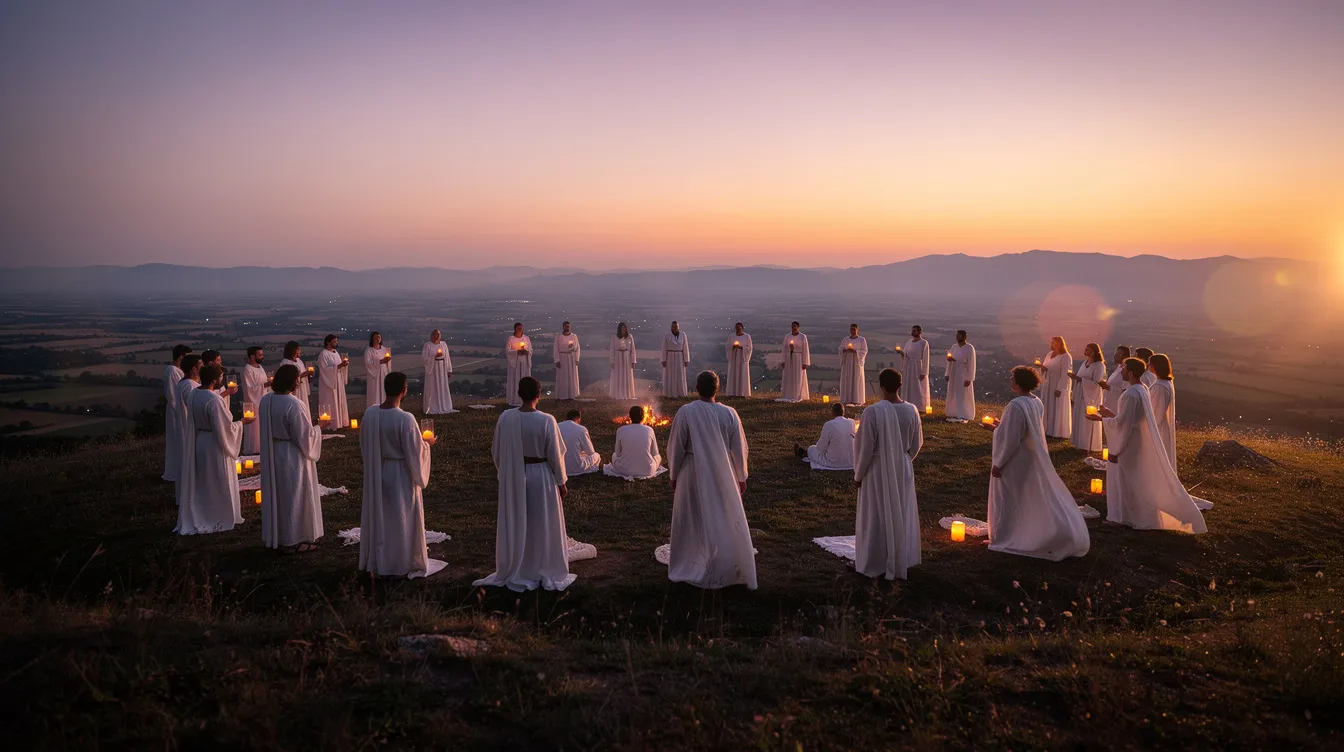
The most distinctive practice is the unique Samaritan passover on Mount Gerizim. Samaritans observe Passover with a public sacrifice on Mount Gerizim, where families participate in communal lamb slaughter and roasting. Samaritans dress in white robes during the Passover sacrifice, following their interpretation of Exodus and Deuteronomy. This is a practice no longer performed in mainstream judaism since the destruction of the Jerusalem Temple in AD 70.
Other major holy days include the Feast of unleavened bread, Shavuot, Sukkot, and yom kippur-each observed with both similarities to and differences from Jewish practice. Samaritans are fluent in both Hebrew and Arabic, using modern hebrew and Arabic in daily life while preserving ancient hebrew script for sacred texts.
The samaritan community maintains cultural and linguistic traditions despite challenges including an extremely small gene pool, pressures of modern secularization, and the difficulty of sustaining identity in a politically contested region of the holy land.
It's worth noting that the name "Samaritans" also belongs to a well-known charity organization dedicated to suicide prevention, founded in the UK in 1953. This organization-unrelated to the ancient ethnoreligious group-operates a 24/7 crisis helpline for emotional support, provides confidential services aimed at preventing suicide, conducts community education workshops on suicide prevention, creates personalized safety plans to aid in crisis management, and offers support through text, including peer-to-peer for young people. They also provide specialized support for individuals grieving suicide loss. Anyone experiencing suicidal thoughts can reach out to them for help. The charity's name was inspired by the Parable of the good samaritan-a fitting testament to how powerfully this ancient story continues to resonate.
How Samaritans Differ from Mainstream Jewish and Christian Beliefs
While Samaritans share much with biblical Israel, their faith diverges from both Rabbinic Judaism and Christianity on key points.
Differences from Judaism:
| Area | Samaritan Position | Jewish Position |
|---|---|---|
| Scripture | Torah only (samaritan pentateuch) | Torah, Prophets, Writings (Tanakh) |
| Sacred site | Mount Gerizim | Jerusalem / mount zion |
| Oral law | Rejected; own priestly rulings | Talmud and rabbinic halakha |
| Messiah concept | Taheb (Restorer like Moses) | Davidic Messiah |
| Davidic monarchy | Rejected as normative | Central to theology |
Differences from Christianity:
Samaritans do not accept the new testament, do not see jesus as Messiah or divine, and do not share Christian doctrines like the Trinity or salvation through Christ's death and resurrection. christianity embraces both testaments and centers on Jesus; Samaritans remain anchored in their version of the Torah alone.
Their expectation of the Taheb-a Moses-like figure who will restore true worship-is distinct from both Jewish Messianic hope and Christian Christological expectations. While they share belief in one god, creation, sin, and covenant with both jews and Christians, their scriptural canon, sacred geography, and messianic hope mark them as a unique stream flowing from ancient Israel-the only people who have maintained continuous worship on Mount Gerizim for millennia.
Samaritans maintain a distinct cultural identity through unique rituals, a hereditary priesthood, and a scripture that predates much of what most readers think of when they open their bible.
Why Jesus Targeted Samaritans in His Ministry
Jesus' interactions with Samaritans were not incidental or accidental. They were central to His mission to break down barriers and redefine who belongs to God's people.
By traveling through samaria (John 4) rather than taking the longer route around it, jesus deliberately stepped into contested territory. He showed that God's grace crosses the lines of historic enemies-that samaritans lived not beyond the reach of God's love but squarely within it.
His choice of a Samaritan as the hero in the Parable of the good samaritan challenged Jewish listeners at their core. No one in Jesus' audience would have imagined a Samaritan as a moral exemplar. That was precisely the point.
Jesus' acceptance by many samaritans in John 4 anticipates the later spread of the gospel beyond judaism, foreshadowing the inclusion of all nations. His message-that true worship is not confined to either jerusalem or Mount Gerizim-prepared for a church where God's presence dwells among believers everywhere, not in a single sanctuary or an independent state of worship.
By dignifying Samaritans, jesus christ confronted ethnic pride and religious exclusivism among His own people, offering a model for reconciliation that speaks to any context of historic hatred. The twelve tribes may have fractured, the two groups may have despised each other for centuries, but in Jesus' ministry, the wall between them began to crack.
The Samaritans' story is one of resilience, faith, and identity preserved against extraordinary odds. From the assyrian conquest in 722 BCE to a community of 860 people navigating the complexities of modern life in the west bank and israel, they have maintained their worship, their priesthood, and their conviction that Mount Gerizim is where heaven meets earth.
Understanding who the Samaritans were-and still are-transforms how you read some of the most familiar passages in the bible. The next time you encounter the woman at the well, the good samaritan on the road, or the grateful leper shouting with a loud voice, you'll know the weight of history behind every word.
FAQ
Are Samaritans considered Jews today?
Samaritans see themselves as true Israelites-Bene Israel-but most Rabbinic Jewish authorities do not recognize them as Jews in the legal-halakhic sense. Modern Israeli law treats them as a distinct, closely related community with certain rights and protections. Some rabbis have debated their status for centuries, sometimes treating them like jews in areas where practices overlap and like non-Jews where they diverge. Socially, most samaritans maintain their own identity, marry primarily within the community, and are not counted as part of mainstream Jewish denominations.
How many Samaritans are left and where exactly do they live?
The global samaritan population is under 1,000, with recent estimates around 860 individuals. Roughly half reside in Kiryat Luza on Mount Gerizim near Nablus in the west bank, and the other half live in the city of Holon just south of tel aviv in israel. There are no large Samaritan diasporas elsewhere. Their survival strategy has focused on staying together in these two core locations, and samaritans serve in the Israeli army while navigating the realities of the israeli palestinian conflict with dual israeli palestinian citizenship.
Do Samaritans still perform animal sacrifices?
Yes. Samaritans perform Passover sacrifices on Mount Gerizim annually, following their interpretation of Exodus and Deuteronomy. The ceremony involves communal slaughter and roasting of lambs under priestly supervision, with participants dressed in white robes. This is a practice no longer performed in mainstream judaism since the destruction of the Jerusalem Temple in AD 70. Apart from passover, most of their worship today centers on prayer, reading the samaritan pentateuch, and samaritan tradition liturgy rather than regular sacrificial rituals.
What language and script do Samaritans use for their Scriptures?
Samaritan Scriptures are written in an ancient hebrew script distinct from the square Aramaic script used in Jewish Torah scrolls. This script is believed to be closer to the paleo-Hebrew writing used in ancient israel before the babylonian exile. Historically, Samaritans spoke Samaritan Hebrew and Aramaic, but today most are fluent in modern Hebrew and Arabic, keeping the older language primarily for liturgical use. This distinctive script and pronunciation reinforce their sense of continuity with ancient Israel and separation from Rabbinic judaism.
Is there any genetic evidence about Samaritan origins?
A 2004 genetic study analyzing Y-chromosome and mitochondrial DNA in Samaritan males found that their paternal lineages cluster closely with Jewish priestly (Cohanim) and Israelite lineages. This supports their claim of ancient Israelite paternal ancestry and counters the simplistic narrative that they are entirely descended from foreign settlers. Their extremely small population has created genetic bottlenecks, but overall they cluster with other Levantine groups, confirming long residence in the region. While genetics cannot fully resolve historical debates about intermarriage and identity, the evidence points to substantial continuity with the ancient israelite tribes rather than a purely foreign origin.
Why Understanding Their World Changes How We Read Scripture
The history of the Samaritans reminds us that the people who encountered Jesus brought generations of cultural assumptions, religious divisions, and inherited beliefs into those encounters. Without understanding that history, we can appreciate the compassion in Jesus' words while missing just how challenging those words were to the people who first heard them. This raises a question worth considering: How many other familiar biblical stories have we understood only partially because we have overlooked the world in which they took place? Our Questions Worth Wrestling With collection explores questions like these, inviting readers to examine Scripture through historical context, cultural understanding, and thoughtful inquiry rather than simply relying on familiar interpretations.
When Outsiders Became Family: The Conflict That Shaped the Early Church