Avodah: Work, Worship, and Service as One
Avodah: Work, Worship, and Service as One
What if the line between your Sunday morning and your Monday morning was never supposed to exist? There is a single word-rooted in ancient Scripture-that refuses to let worship stay inside a sanctuary and work stay outside of it. That word is avodah. This article unpacks what it means, why it matters for local churches today, and how congregations can move from passive pews to active, community-shaping service as genuine worship.
Key Takeaways
Avodah is a hebrew word that means work, worship, and service simultaneously. In Scripture and Jewish tradition, it unites daily labor, Temple ritual, and divine service into one integrated life before God-a unity most visible on yom kippur, the holiest day of the jewish calendar.
-
Local churches are called to move beyond status-quo worship services. The avodah vision challenges congregations to adopt service mode projects that benefit their communities as genuine acts of worship, not optional extras.
-
Ministry is action. When the Body of Christ serves-feeding, building, healing, advocating-it "builds itself up" in love. Organic growth follows service, not the other way around.
-
The Example of the Early Church proves it works. Acts 2–4 describes believers who worshiped, shared possessions, and cared for the poor as a single, seamless calling. Their community grew because outsiders saw faith in motion.
-
Modern models show the way forward. Programs like the jewish service corps demonstrate that structured, intensive service can be deeply formative. Churches can learn from and adapt these frameworks.
-
Every vocation is a platform for avodah. Healthcare workers, educators, parents, builders, and business owners can all embrace their daily labor as worship when it is done with intention, integrity, and love of neighbor.
This article will explore the biblical roots of avodah, walk through its rich Jewish history, examine the early church's embodiment of it, and offer practical steps for integrating work and worship in your congregation starting now.
What "Avodah" Means: Work, Worship, and Divine Service
Avodah (עֲבוֹדָה) is a hebrew word that appears frequently in Jewish religious texts, and understanding it changes how you read the entire Bible. Avodah translates to "work" or "service" in Hebrew, but it also carries a spiritual connotation of service to God. There is no neat English equivalent because no single English word holds all three meanings at once.
Here is how to get oriented:
-
Pronunciation: ah-voh-DAH, three syllables. The root is ע-ב-ד (ayin-bet-dalet), and it appears from genesis onward to describe tending the land, working the fields, and serving God.
-
Biblical usage: In the Torah, the same word describes Adam's labor in the Garden (Genesis 2:15), the Israelites' forced labor in Egypt (the book of exodus opens with this reality), and the sacred liturgy performed by priests in the Tabernacle that moses oversaw. Avodah encompasses both physical and spiritual work in Judaism.
-
Integrated vision: Scripture refuses to split weekday labor from sacred ritual. Avodah represents the idea that labor and serving others are interconnected with devotion to God. The farmer tilling soil and the priest offering incense are both doing avodah.
Avodah links physical labor, community service, and devotion to God as expressions of divine worship. The term appears frequently in Jewish religious texts-from Torah to Talmud to modern prayer books-because it captures something essential about how humans relate to their Creator.
The Talmud defines prayer as avodah that is in the heart, extending the concept far beyond physical tasks. Avodah teaches that work can be a form of worship through intentional action. It emphasizes that daily labor can be worship if done with intention-whether you are stacking bricks or stacking prayers.
Contrast this with the modern habit of treating "Sunday worship" and "Monday work" as separate categories. Most churchgoers live in two worlds: one sacred, one secular. Avodah says there is only one world, and God is lord of all of it.
In this article, "divine service" refers both to honoring God directly-through prayer, praise, and sacrament-and indirectly, through service to neighbors, justice for the poor, and faithful vocation in the world. This language matters because it shapes what a church does with its time, its budget, and its people.
Avodah in Jewish Tradition: From Temple Service to Yom Kippur and Beyond
The most dramatic expression of avodah in all of Scripture is the Yom Kippur Avodah service, the high point of temple worship in ancient israel. On this single day each year-the Day of atonement-the entire nation's relationship with God was ritually renewed through an elaborate, costly, embodied sequence of sacrifices and confession.
The Avodah service narrates the temple rituals from Leviticus 16, and its details are preserved in Mishnah tractate Yoma. Historically, avodah referred specifically to the sacrificial rites conducted in the temple. Here is what the Kohen Gadol (High Priest) did:
-
Preparation: He separated from his family a full week before Yom Kippur, undergoing purification with fellow priests.
-
Garment changes: The Kohen Gadol changed his clothes five times during the rituals, alternating between white linen (symbolizing purity) and gold garments (symbolizing priestly majesty), with ritual washings between each change.
-
Bull offering: The Avodah service includes a bull offering for the Kohen Gadol's sins-he had to atone for himself before he could atone for the people.
-
Entry into the Holy of Holies: The Kohen Gadol entered the Holy of Holies only on Yom Kippur. No one else, on no other day, could enter that space.
-
Confession and the scapegoat: He confessed the sins of the nation, using the divine Name, and sent a scapegoat into the wilderness bearing the people's transgressions.
-
Blood sprinklings: Precise numbers of blood sprinklings on the altar, the veil, and sacred furnishings completed the ritual.
These sacrifices were public, communal, and deeply physical. Thousands of jews traveled to Jerusalem to witness them. The entire nation's identity was shaped by this act of divine service.
After the destruction of the Second Temple in 70 CE, this literal sacrificial avodah could no longer be offered. Rabbis preserved it through synagogue liturgy. The Avodah service is part of the Yom Kippur Musaf service, where congregants recite poetic retellings of the temple rites, sometimes physically prostrating at the mention of the High Priest entering the Holy of Holies. After the destruction of the temple, avodah transitioned to mean service of the heart or prayer. The concept of avodah shebalev-heartfelt prayer and spiritual devotion following the temple's destruction-became the new center of Jewish worship.
Medieval piyyutim (liturgical poems) enriched the Avodah service further, often beginning with creation itself and tracing the covenant through Adam, Abraham, and Levi, embedding human labor and divine purpose in cosmic history. These poems show an evolving but continuous desire to offer service of the heart even without a physical temple.
The discovery here is important for Christians: worship survived the loss of its building. It adapted. It deepened. That resilience is instructive for any faith community willing to reimagine what service looks like.
Avodah is also a key concept in the Bnei Akiva movement, a religious Zionist youth organization that pairs Torah study with communal labor, and it connects to modern service programs. The jewish service corps, for example, places young adults in new orleans, Chicago, New York City, and Washington, DC for a full year of community service-a living expression of avodah in the public square, addressing homelessness, education, and healthcare as sacred work.

Avodah, the Early Church, and the Service of Faith
The Temple Avodah and the Example of the Early Church in acts 2–4 share a striking family resemblance. Both saw corporate worship and daily service to people as a single, integrated calling-not two separate programs on a church calendar.
The first believers in Jerusalem met regularly for apostolic teaching, breaking bread, and prayer. Those are unmistakably worship activities. But in the same breath, Luke describes them sharing possessions, selling property, and distributing resources to anyone in need (Acts 2:42–47). Their life together was seamless: every day was an act of avodah-like ministry.
The Mishnah notes the world rests on three things: Torah study, avodah, and acts of loving-kindness. The early church embodied all three. Consider:
-
Teaching: Apostolic doctrine provided the foundation for everything else.
-
Worship: Prayer, breaking bread, and praise were daily rhythms, not weekly events.
-
Service: Sharing possessions and caring for widows was not optional charity-it was constitutive of what the church was.
"The Service of Faith" is a concept worth naming explicitly. Faith in the New Testament is not merely intellectual assent to a creed. It is evidenced in concrete acts: visiting the sick, feeding the hungry, advocating for the oppressed. These mirror Jewish practices of tzedakah and acts of loving-kindness that flow directly from the avodah tradition.
Ministry was action in the early church. When a dispute arose over the daily distribution of food to widows, the apostles didn't dismiss it as a logistical problem. They appointed deacons (Acts 6) specifically to ensure equitable care-and this practical service was explicitly called ministry. The word used for it in Greek, diakonia, carries the same force as avodah in Hebrew.
-
The Body metaphor reinforces this. In 1 Corinthians 12 and Ephesians 4, Paul teaches that each member has a role in service. "The Body Building Itself Up" happens as every joint supplies what it can through works of love. No member is passive. No gift is irrelevant.
The New Testament vision aligns closely with the multifaceted meaning of avodah: worship, work, and social care are all part of a single life offered to God. Avodah encompasses acts of loving-kindness and social justice as service to God-and the early church lived that out in real time, in real streets, with real food and real money.
From Status Quo Worship to Service-Mode Church: Avodah in Local Congregations
Here is the honest critique: most churches in America today operate on a "status quo" Sunday model. Members arrive, sit, listen to a sermon, sing songs performed by a team on stage, drop something in the offering, and leave. Monday through Saturday, there is minimal structured connection between what happened in the sanctuary and what happens in the neighborhood.
An avodah-shaped congregation looks fundamentally different. It doesn't just talk about service-it reorganizes its worship calendar around it.
What does it look like for a local church to switch to a service mode project that benefits the community as an act of worship? Here are time-bound, concrete ideas:
-
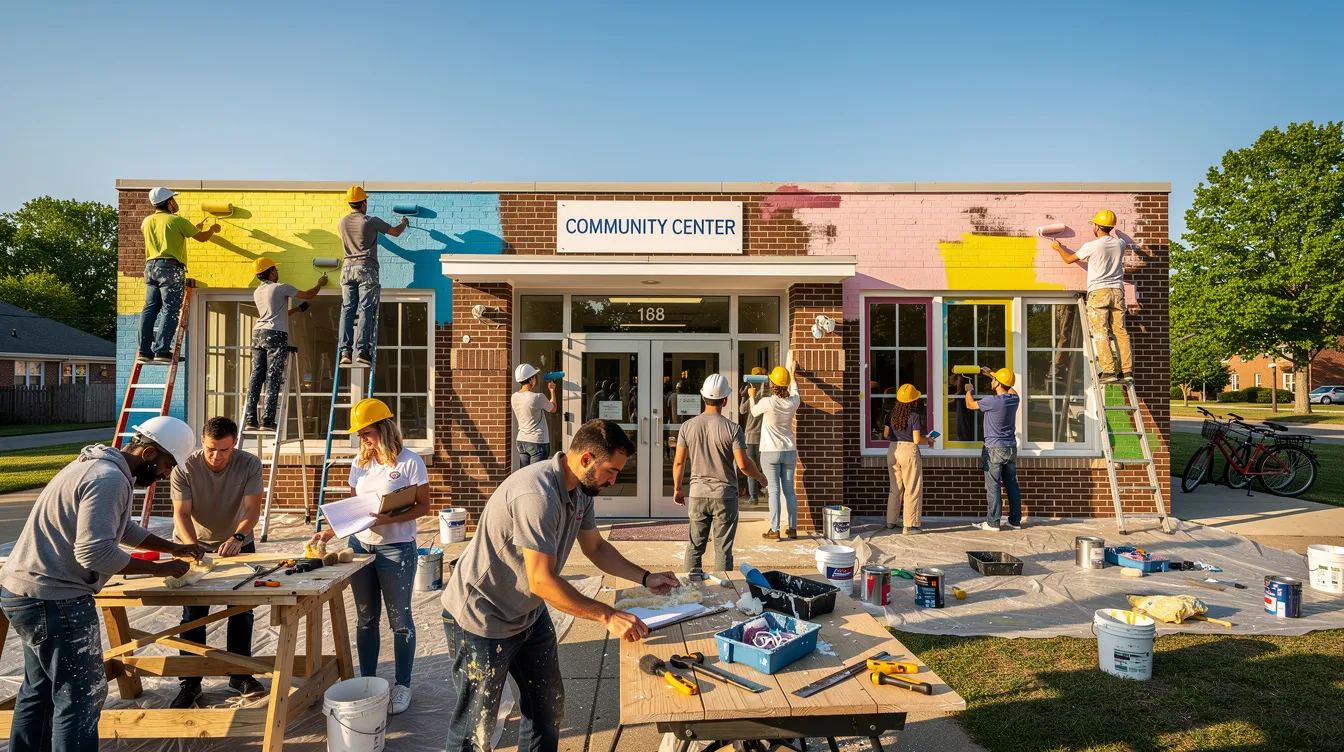
Quarterly service Sundays: Once per quarter, replace the entire Sunday gathering with a coordinated neighborhood work day. In fall 2026, a congregation could devote the first Sunday of October to a neighborhood cleanup, complete with opening prayer, a brief Scripture reading about justice, and a closing reflection with praise songs sung on-site.
-
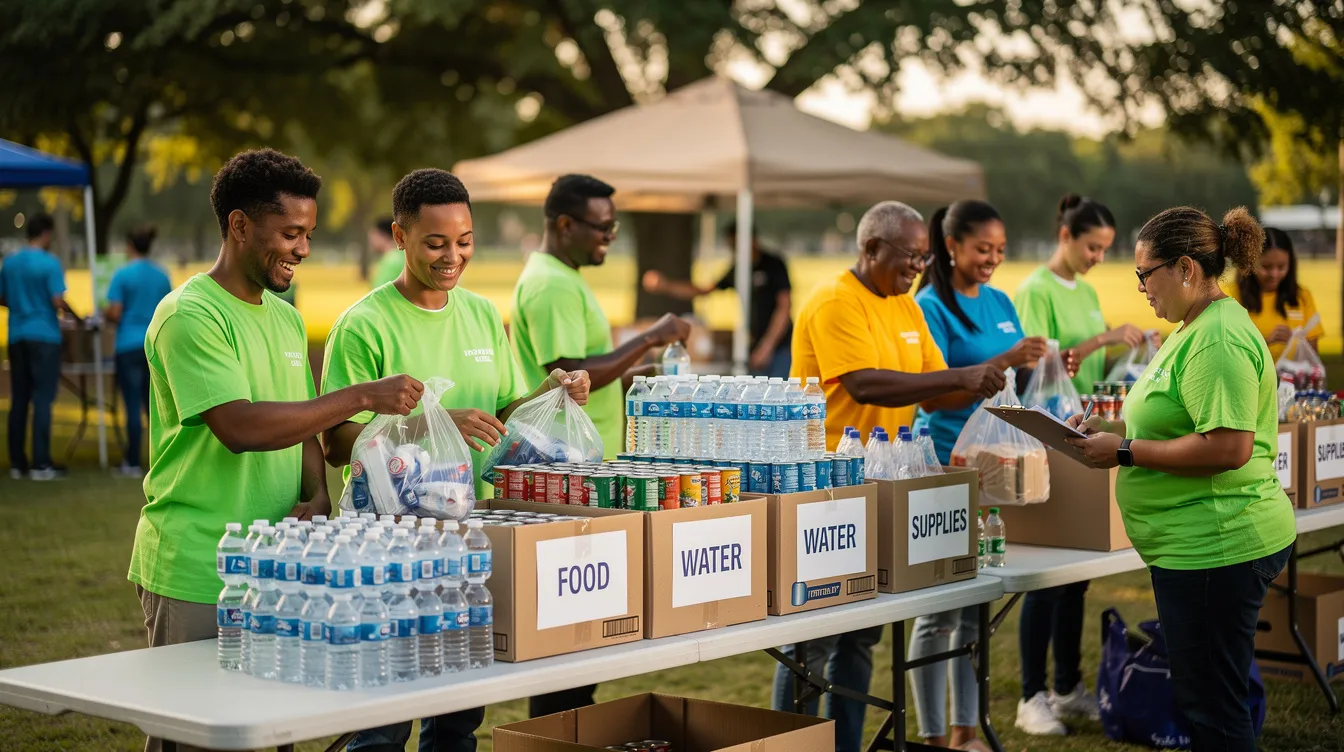
Occasional season food drives for the Poor: Partner with nearby food pantry's around high demand periods for a joint food drive focused on the poor. Frame it explicitly as worship in action-a shared biblical heritage expressed through shared labor.
-
Free Classes on the Basics: Choose some basic classes that rarely get taught such as basic finances, small business start up or nutrition classes. Make them value driven and advertise the sign up.
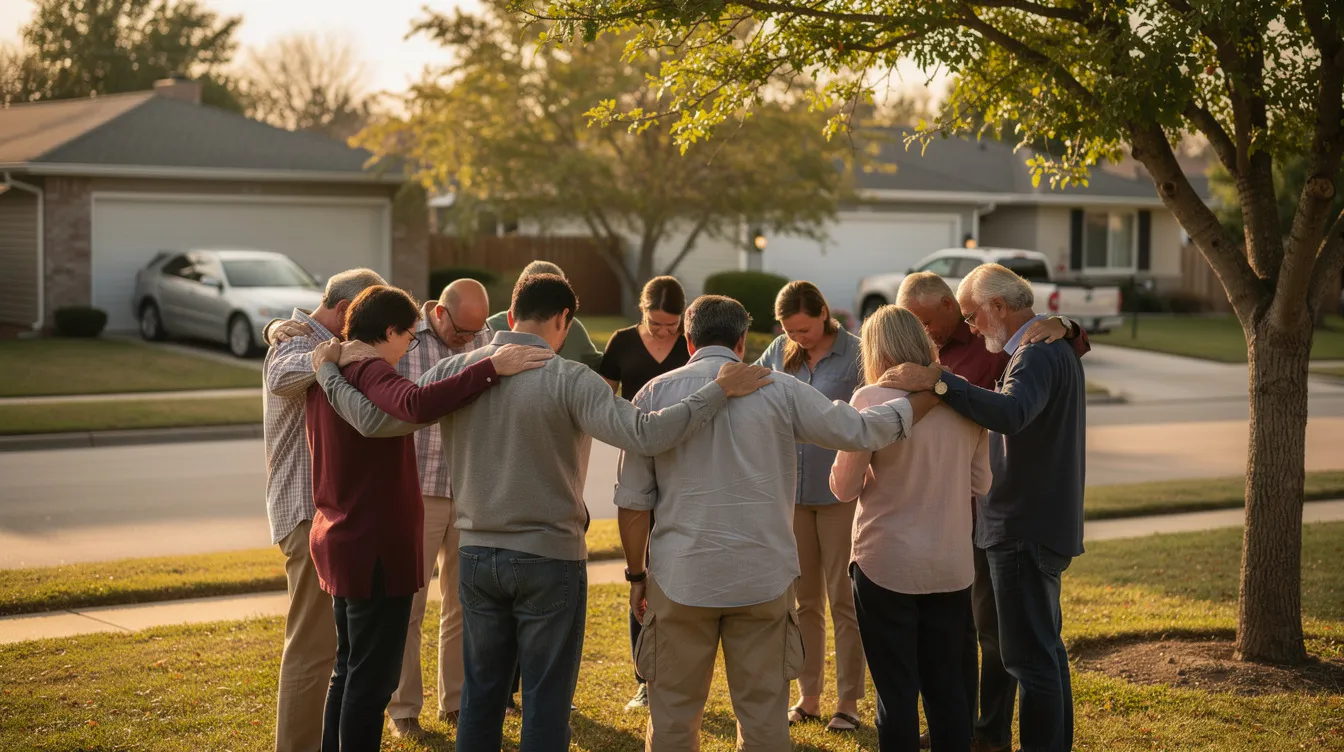
These projects are not "add-ons" to worship. They are worship, reframed. Prayers said on-site at a building project, Scripture readings about mercy spoken over a meal at a shelter, corporate reflection and thanksgiving offered afterward-all of this is liturgy. It just happens to take place outside a sanctuary.
Ministry as action means that teaching, preaching, and singing serve as fuel for concrete avodah in schools, businesses, and streets. Regularly highlight testimonies of members serving in their weekday vocations. Let a teacher describe how her classroom is her altar. Let a construction worker explain what it means to build with integrity as worship.
Avodah-shaped congregations budget time, money, and planning for service projects with the same seriousness as music, preaching, and facilities. If your church spends forty hours a week preparing for Sunday worship and zero hours preparing for community service, your priorities are visible to everyone-including your neighbors.
Integrating Work and Worship: Avodah in Everyday Vocation
One of the most persistent struggles for modern Christians is connecting their job, their studies, and their unpaid labor with their worship life. Avodah heals this split. It says your Monday commute is not a departure from God's presence-it is a journey deeper into it.
Different kinds of work can be embraced as expressions of divine service when done with excellence, integrity, and love of neighbor:
| Vocation | Avodah Expression |
|---|---|
| Healthcare worker | Caring for patients as sacred duty; each shift as acting on behalf of Christ |
| Educator | Shaping young minds with truth, patience, and justice |
| Small business owner | Ensuring fair wages, ethical sourcing, and dignified treatment of workers |
| Parent or caregiver | Nurturing, teaching, and feeding as sacrificial love offered to God |
| Software developer | Building tools that serve people, with honesty and accessibility |
| Volunteer interpreter | Making healthcare or legal aid accessible across language barriers |
Just as avodah in biblical times covered both manual labor and temple ritual, today's believers are called to see offices, classrooms, and homes as altars of daily service to God.
Consider three brief vignettes:
-
A nurse in 2026 finishes a twelve-hour shift in a pediatric ward. She has held a child through pain, calmed a terrified parent, and documented vitals with precision. She doesn't see this as "secular work." She sees it as an extension of her congregational worship-avodah applied to the most vulnerable people she knows.
-
A small business founder runs a landscaping company. He pays above minimum wage, provides safety equipment, and treats his largely immigrant workforce with dignity. He views fair wages and ethical practices as a liturgy of justice-his business plan is, in a real sense, a form of content that preaches louder than words.
-
A volunteer interpreter at a community health center provides support across multiple languages, making healthcare accessible to families who would otherwise be unable to understand their diagnoses. This is avodah in the public square-bringing the love of God into a waiting room.
Organic spiritual growth often emerges when people notice that their Monday-through-Saturday work "counts" as ministry. This discovery tends to deepen prayer life, Scripture engagement, and generosity without heavy institutional pressure. When you stop separating the sacred from the secular, everything becomes richer.
Integrating work and worship also counters idolatry. The term avodah also refers to idolatry or prohibited worship practices known as avodah zarah. When professional ambition becomes an end in itself-when career success is the god you actually serve-avodah zarah has taken root. Redirecting ambition toward divine service and the well-being of your community is the antidote.
The Body Building Itself Up: How Service Generates Organic Growth
Paul writes in Ephesians 4:11–16 that the Body of Christ "builds itself up in love" when each member is "joined and held together" and "every joint supplies" its particular gift. This is not a metaphor about Sunday attendance. It is a description of active, mutual service-exactly what avodah looks like in congregational form.
Consistent, outward-focused service creates environments where newcomers see faith in action and naturally become curious about the gospel. You don't need a slick marketing campaign when your congregation is visibly repairing homes, tutoring students, visiting prisoners, and feeding people who are hungry. People notice. People ask questions.
The principle is straightforward: organic growth follows service. Trust, discipleship, and numerical increase tend to emerge when the church is visibly useful and sacrificial in its neighborhood.
A concrete example: Mission Grove Church's "Crazy Love Project" mobilized 231 people into active serving roles, built two homes in Mexico, and supported numerous local and global organizations. Their attendance grew from roughly 157 in 2022 to approximately 370 by early 2025. Baptisms quadrupled. First-time guests multiplied. The shift toward service and generosity-not toward better stage lighting-correlated with visible growth in membership and spiritual vitality.
When members learn their gifts through service projects, they often step into deeper roles: teaching, mentoring, leading small groups. This strengthens the whole Body and reduces the crushing burnout that falls on clergy or a small volunteer core when ministry is centralized rather than distributed.
Here is what this looks like in practice for congregations in 2024–2026:
-
Churches that tracked volunteer hours alongside attendance found that rising service engagement preceded-not followed-numerical growth.
-
Congregations that launched ongoing community partnerships (tutoring programs, food pantries, neighborhood repair teams) reported stronger member retention and deeper prayer life among participants.
-
Churches that focused less on attractional programming and more on incarnational presence in their neighborhoods experienced the kind of growth that sustains rather than spikes and crashes.
An avodah-centered church doesn't chase growth metrics directly. It pursues faithful service and trusts the lord to bring fruit in His timing. The study of Acts 2:47 confirms this pattern: "The Lord added to their number day by day those who were being saved." The adding followed the serving, not the other way around.

Practicing Avodah in the Liturgical Year: Yom Kippur, Holy Week, and Beyond
The rhythms of both the jewish calendar and the Christian liturgical year offer built-in opportunities to connect repentance, worship, and concrete acts of service. The avodah pattern suggests that these seasons should not be merely reflective-they should be active.
Churches can create parallel practices:
-
Good Friday neighborhood outreach: After a service centered on the cross, send teams into the community to serve-delivering meals, visiting homebound neighbors, cleaning up public spaces. Let the experience of Christ's sacrifice fuel sacrificial love for others.
-
Lent-long justice initiative: Dedicate the forty days of Lent to a sustained project: a building effort for affordable housing, a literacy program, or a healthcare access campaign. Frame each week's worship around a different aspect of avodah.
-
Shared Christian food drive near major holidays: Coordinate with a local thrift store to collect food for the poor during the holidays. This is an informed, respectful way to honor the shared biblical heritage and create meaningful interfaith partnership.
After major service projects, hold reflection services where testimonies and thanksgiving prayers are offered. This mirrors the way the Avodah liturgy remembers the temple ritual to shape identity and mission. The story of what God did through your hands becomes part of your congregation's living Scripture.
Avodah and Modern Service Movements: Learning from the Jewish Service Corps
The ancient concept of avodah is not stuck in the past. Modern organizations have structured it into intensive, year-long programs that form young leaders for a lifetime of service.
The numbers tell a compelling story of social change:
-
Each year, ten new corps members join AVODAH in New Orleans alone.
-
Since 2008, 58 AVODAH corps members served over 20,000 New Orleanians.
-
Forty-three percent of corps members receive offers to remain at their placements after the service year ends-indicating deep, formative impact rather than superficial tourism.
Avodah is linked to the concept of tikkun olam, or repairing the world. These programs demonstrate that service can be structured, intensive, and formative-not just sporadic volunteering. That is an important lesson for churches wanting deeper discipleship.
Local churches can draw direct parallels:
-
9–12 month community-service cohorts: Enlist early-career professionals in a structured fellowship combining weekly theological reflection with hands-on neighborhood ministry.
-
Justice fellowships: Partner with a local seminary or Christian nonprofit to create a residency program where participants serve at homeless shelters, clinics, or schools while studying Scripture together.
-
Ongoing nonprofit partnerships: Embed church teams in local organizations the way AVODAH corps members embed in theirs. This creates sustained relationships rather than one-off events.
These kinds of intentional programs provide a guide for churches that want to move beyond sporadic volunteering into the kind of deep, identity-shaping service that transforms both the servers and the served.
Implementing an Avodah Framework in Your Church
If the theology is compelling, the practical question remains: how do you actually start? This section offers concrete steps for community leaders and members who want to shift their congregation from status-quo services to avodah-shaped worship and mission.
A Five-Step Framework
-
Theological teaching on avodah. Before changing anything structural, teach the concept. Teach a midweek series on work, worship, and service. Use the book of Acts, Leviticus 16, Ephesians 4, and the Genesis creation mandate. Make sure you stay in the context of those books. Help people understand the origin and applications of avodah before asking them to live it.
-
Congregational discernment about local needs. Survey your neighborhood, and ask the members. What are the gaps? Where are people hurting? This is not a top-down decision-it is a communal process of listening to God and neighbor. Map your church members' professions and skills (teachers, clinicians, translators, builders, software developers, caregivers) and match these to community needs.
-
Pilot service-mode Sundays. Start with one. Replace a single Sunday service with a coordinated neighborhood project. Surround it with prayer, Scripture, and reflection. Evaluate what worked and what didn't. Then do it again. It is very important to meticulously plan content around the event. For example, you want to make sure you have one or two media people create buzz by gathering multiple pictures of people working. Ideally you would want individual video clips of work and small snippets of people talking about the job. If someone has access to a drone, an aerial shot and circumference scan of the event becomes unique. Include a call to action for any volunteers that are interested in helping out without any religious implications (very important). The content plan is just as important as the actual work going on. Local churches need to spread the word boldly and spend money on what work has been done and why. Think of it as the new normal, but it has to be laid out on a plan.
-
Integrate testimonies into weekly liturgy. Every Sunday, give two minutes to a member who served that week-a teacher who practiced avodah in her classroom, a healthcare worker who experienced God in a patient's recovery. Let the congregation hear that worship never stops.
-
Long-term structural changes. Adjust budgets, staff roles, and annual calendars to resource service with the same seriousness as preaching and music. This is where the real commitment shows.
-
Don't be afraid to swap out traditional services with a dinner church idea or a community meal that is just about being at the table with one another. Careful preparation should be made to ensure it does not have any religious overtones
Planning Milestones for 2026–2027
| Milestone | Target Date |
|---|---|
| Complete sermon series on avodah | Fall 2026 |
| Launch first quarterly service Sunday | October 2026 |
| Establish one ongoing community partnership | Spring 2027 |
| Begin tracking service engagement alongside attendance | January 2027 |
| Host first post-service reflection and testimony night | Summer 2027 |
Measure impact in stories and relationships, not just attendance. Capture examples of organic growth, new small groups forming, and deeper prayer life emerging from service engagement. These are the real metrics of an avodah-shaped church.
Avodah is a long-term reorientation of a church's identity, not a one-time campaign. Patience and perseverance are essential as worship and work are slowly reintegrated. The experience of the early church-and of thousands of years of Jewish tradition-shows that this integration is not only possible but fruitful.
FAQ
Is avodah only a Jewish concept, or can Christian churches faithfully use it?
Avodah is a Hebrew word deeply rooted in Jewish Scripture and practice, and Christians should approach it with respect and awareness of that origin. However, its underlying idea-that work, worship, and service belong together-is central to the New Testament vision of church life as well. Both traditions share the Hebrew Bible, and the concept of offering all of life to God runs through the writings of Paul, Luke, and James just as it does through the Torah and Talmud.
When churches use "avodah," they should do so with informed acknowledgment of its Jewish roots, not as cultural appropriation but as a bridge concept that fosters mutual appreciation between Jewish and Christian communities around justice, mercy, and faithful service.
How can a small church with limited resources practice avodah-style service?
Small congregations should start with one or two focused initiatives rather than trying to create a full service corps overnight. Visiting a local nursing home monthly, hosting a neighborhood meal quarterly, or tutoring students weekly at a nearby school-any of these can be powerful avodah when bathed in prayer and offered as worship. Pick service items that get buzz. You are going for maximum attention and exposure if you are trying to get some momentum.
Partnering with existing nonprofits or other churches to share volunteers and resources turns collaboration itself into an act of worshipful unity. The scale of the project matters less than the intentional framing. A church of thirty people cleaning a park with prayers is doing no less avodah than a megachurch building homes abroad.
Will shifting to service-mode worship Sundays hurt attendance or offerings?
Some members may resist change initially-this is honest and expected. (There will always be the institutionally conditioned individuals) However, many congregations find that service-mode Sundays increase engagement and deepen commitment over time. When people experience faith in action rather than just hearing about it, something shifts.
Leaders should communicate clearly that these changes are about letting scripture shape you and embodying worship in action, not chasing novelty or obedience. Organic growth-new relationships, spiritual depth, and eventually new members-often follows visible, consistent service. Mission Grove Church's experience (attendance more than doubling after prioritizing service and generosity) is one data point among many that suggest serving your way to growth is more sustainable than marketing your way there.
How do we prevent service projects from becoming just another activity instead of true worship?
Intentionally surround every service project with worship elements: pre-project prayers, short Scripture readings, a sung doxology, and post-project reflection and thanksgiving. Without these anchors, service can drift into mere volunteerism-helpful but disconnected from its theological foundation.
Regularly teach and remind the congregation that serving neighbors is a core expression of loving God, not optional charity. Tie projects explicitly to themes like justice, mercy, and the service of faith. Incorporate participant testimonies into regular worship services, reinforcing that what happens "out there" and what happens "in here" are the same offering.
How does avodah relate to traditional spiritual disciplines like prayer and Bible study?
Avodah doesn't replace classic disciplines. It gives them direction and outlet, turning inner formation into outward love and justice. Think of prayer, Scripture study, fasting, and confession as preparation for and sustenance in service-much like the Kohen Gadol's week of preparation before the Yom Kippur Avodah.
Many people find their prayer life and understanding of Scripture deepening when they regularly serve, because they meet God in the faces and needs of their neighbors. The spiritual disciplines and active service form a cycle: prayer fuels service, and service drives you back to prayer. Neither works well alone.
The Problem With Certainty