Journey Experiences in the Bible: Walking Through God’s Story

Journey Experiences in the Bible: Walking Through God’s Story
Key Takeaways
-
The Bible is fundamentally a collection of journey stories—physical travels that reveal God’s larger spiritual story, not self-help instructions or travel tips
-
Foundational journeys like Abraham’s call (c. 2000 BC), the Exodus (c. 1446–1250 BC), and the return from Babylon (late 500s BC) shape Israel’s identity as a pilgrim people
-
Personal journeys—Joseph, Elijah, the disciples with Jesus, Paul’s missionary travels—demonstrate transformation, exile, and return as living examples of God’s redemptive work
-
Christian life is pictured as a pilgrimage on earth (Hebrews 11:13–16; 1 Peter 2:11), moving toward the kingdom of God rather than building our own kingdom
-
These narratives invite readers to see their own lives as part of God’s ongoing story, learning from the journeys rather than treating them as formulas to replicate
The Bible as a Book of Journeys, Not Instructions
From Genesis to Revelation, the Bible presents journey experiences as the main stage where God’s purposes unfold. Migrations, exiles, wilderness wanderings, and pilgrimages form the narrative backbone of Scripture. This is not a free catalog of travel tips or a straightforward self-help manual—it’s something far more profound.
Consider how modern travel literature often focuses on self-discovery, with the traveler as the central author of their own story. Biblical narratives work differently. When Abraham leaves Ur (Genesis 12:1–9) or Israel departs Egypt (Exodus 12–14), the focus remains on God’s initiative, not human planning. The expulsion from Eden (Genesis 3:23–24) sets the stage for every subsequent trip in Scripture—humanity moving away from God’s presence, with restoration depending entirely on divine action.
Key journey texts reveal this pattern:
-
Genesis 3:23–24: The first painful departure from Eden
-
Genesis 12: Abraham’s faith-driven migration
-
Exodus 12–14: Israel’s liberation from slavery
-
Joshua 1–3: Crossing into the promised land
-
Luke 24:13–35: The Emmaus road encounter
-
Acts 9: Saul’s Damascus road transformation
The central claim throughout is this: this is God’s story, not our own. Even when human travelers make choices, the narrative centers on God’s promises, faithfulness, and redemption. The journey itself becomes transformative because it challenges preconceived notions and leads to a deeper understanding of oneself and the world—but always within God’s larger plan.

Foundational Migrations: From Eden to Abraham
Genesis reads as a series of departures. Out of Eden, out across the earth after Babel, out from Ur with Abram—each movement carries theological weight far beyond geography.
Adam and Eve’s expulsion (Genesis 3:23–24) marks humanity’s inaugural journey experience away from God’s immediate presence. Cherubim and a flaming sword guard the way back, emphasizing that return depends on God’s future action. This first painful path sets up the tension every later journey seeks to resolve.
The scattering from Babel (Genesis 11:1–9) transforms human pride into forced global dispersion. What sounds like judgment actually prepares the ground for God’s redemptive gathering through one family. Cultural immersion across many languages would later foster profound empathy and global connection—though at Babel, it began as confusion.
Abram’s call (Genesis 12:1–9) around 2000 BC exemplifies foundational migration. Leaving Ur of the Chaldees—a prosperous city known for ziggurat temples—he traveled roughly 600-700 miles with Sarai, nephew Lot, and possessions to an unspecified land. This wasn’t mere relocation but profound trust in unseen promises. Sharing meals with local people along the way, Abram encountered cultures that could break down stereotypes and build deep empathy.
These early journeys show God writing a story larger than any one person. Abraham’s obedience matters, but the narrative focuses on God’s covenant to bless “all families of the earth”—a sense of purpose that extends far beyond personal adventure.
The Exodus and Wilderness: A People Formed on the Road
The Exodus (c. 15th–13th century BC) stands as Israel’s defining journey experience, transforming slaves into covenant people through a multi-phase odyssey.
Key milestones shaped this national road trip with God:
| Event | Reference | Significance |
|---|---|---|
| Passover night | Exodus 12:29–42 | Liberation from Egypt begins |
| Red Sea crossing | Exodus 14:21–31 | Divine deliverance from Pharaoh |
| Song of Moses/Miriam | Exodus 15:1–21 | Worship in response to salvation |
Rather than a direct coastal route traversable in weeks, God led Israel through wilderness for 40 years (Numbers 14:26–35; Deuteronomy 2). This prolonged path became a desert school where Israel learned radical dependence—manna, water from rock, the pillar of cloud and fire.
The wilderness stripped away false securities. Undergoing physical challenges during travel tested mental and physical resolve. Dealing with unexpected challenges taught patience and adaptability. Israel murmured at Marah over bitter water (Exodus 15:23–25) and fell into golden calf idolatry (Exodus 32), yet God’s patience persisted.
Confronting physical challenges during travel built mental and physical resilience among the Israelites. Successfully navigating unfamiliar situations created emotional resilience and a mental buffer against stress. This wasn’t inspirational trekking but God’s patient shaping of stubborn people.
Later biblical reflections (Psalm 95; Hebrews 3–4) interpret the Exodus as the master metaphor for liberation, testing, and entering God’s rest. The lesson remains: facing challenges in new places fosters self-reliance and emotional control—but the focus stays on God’s classroom, not self-chosen experience.

Exile and Return: Babylon and the Long Road Home
Judah’s fall to Babylon in 586 BC (2 Kings 25; Jeremiah 52) brought devastating journey experiences. Families left vineyards and temple worship behind, marching 500-900 miles along the Euphrates valley to Babylon.
Exile became a journey of loss. By the rivers of Babylon (Psalm 137), exiles sang laments rather than victory songs. Yet traveling after trauma can help individuals rebuild their worldview and foster gratitude. The exile, while devastating, created space for individuals to reflect on their values and purpose.
Key prophetic voices sustained the exiles:
-
Jeremiah 29:4–14: Build lives in exile, seek the city’s welfare
-
Ezekiel 1:1: Visions “among the exiles by the Kebar River”
-
Isaiah 40–55: Promises of a new highway in the desert
The historical return came through Cyrus of Persia’s 538 BC decree (Ezra 1:1–4). Groups led by Zerubbabel (late 500s BC), Ezra (458 BC), and Nehemiah (445 BC) traveled back to rebuild temple and walls—fulfilling Jeremiah 29:10’s 70-year prophecy.
Travel can provide the mental stillness required for deep introspection and inner peace. Transformational travel focuses on deep personal reflection and positive change. Israel didn’t engineer their comeback; their journey home revealed God’s faithfulness despite failure. Breaking away from routine helped regain a sense of control and agency—but always within God’s sovereign direction.
Personal Journeys of Transformation: Joseph, Elijah, and Beyond
Scripture gives intimate portraits of individuals whose paths were radically redirected by God’s purposes.
Joseph’s Life (Genesis 37–50)
Joseph’s journey reads like a quest through hell and back:
-
From Canaan to Dothan (betrayed by brothers)
-
Down to Egypt in a trader’s caravan (c. 19th–18th century BC)
-
Through slavery in Potiphar’s house
-
Prison in Memphis or Thebes
-
Rise to Pharaoh’s court
Genesis 50:20 crystallizes the meaning: “What you intended for evil, God used for good to preserve many lives.” Solo travel to foreign country can lead to profound self-discovery and transformation—Joseph’s entire trajectory demonstrates this truth.
Elijah’s Flight (1 Kings 17–19)
Elijah’s journey moved through concrete stops:
-
Kerith Ravine east of Jordan (raven-fed sustenance)
-
Zarephath in Sidon (modern Lebanon) for the widow’s miracle
-
Fleeing Jezebel from Jezreel to Beersheba
-
40-day wilderness push to Horeb/Sinai
At Horeb (1 Kings 19:8–18), Elijah discovered God not in wind, earthquake, or fire but in a gentle whisper. Navigating foreign environments can build confidence and patience. Solo travel significantly builds independence and confidence. Yet Elijah learned his prophetic mission was part of God’s ongoing work beyond his own fears and expectations.
Traveling solo often leads to increased creativity, as individuals who immerse themselves in diverse cultures report enhanced creativity levels. Engaging in solo travel allows for spontaneous choices and experiences, leading to unexpected adventures and deeper connections.
The Gospels: Walking with Jesus on the Roads of Galilee and Judea
Jesus’ ministry (roughly AD 27–30) portrayed continuous journey experiences: walking between Nazareth, Capernaum, Jerusalem, Jericho, and many villages, teaching “on the way.”
Specific Travel Scenes:
-
Calling fishermen by the Sea of Galilee (Mark 1:16–20)
-
Journeys across the lake where storms were calmed (Mark 4:35–41)
-
The road to Caesarea Philippi where Peter confessed Christ (Mark 8:27–30)
Jesus’ final ascent to Jerusalem (Luke 9:51–19:28) was deliberate pilgrimage toward the cross. Luke’s phrase—he “set his face to go to Jerusalem”—emphasizes commitment to the path ahead.
The Emmaus road story (Luke 24:13–35) captures journey as encounter. Two disciples walked roughly 7 miles from Jerusalem to Emmaus on the first Easter Sunday, recognizing the risen Christ as he interpreted Scripture and broke bread. Experiencing the journey fosters community and connection, as travelers bond over stories shared and fleeting interactions creating lasting memories.
Traveling is often about experiences and connections made along the way rather than reaching a destination. The joy comes from spontaneous encounters and shared moments with fellow travelers. “Come, follow me” (Mark 1:17) frames discipleship as entering the way God walks among us.
Traveling in small groups of 12 to 24 people allows for intimate social interactions and opportunities to form lasting friendships. Group travel experiences lead to richer social interactions, as shared adventures create bonds that are more meaningful than everyday life.
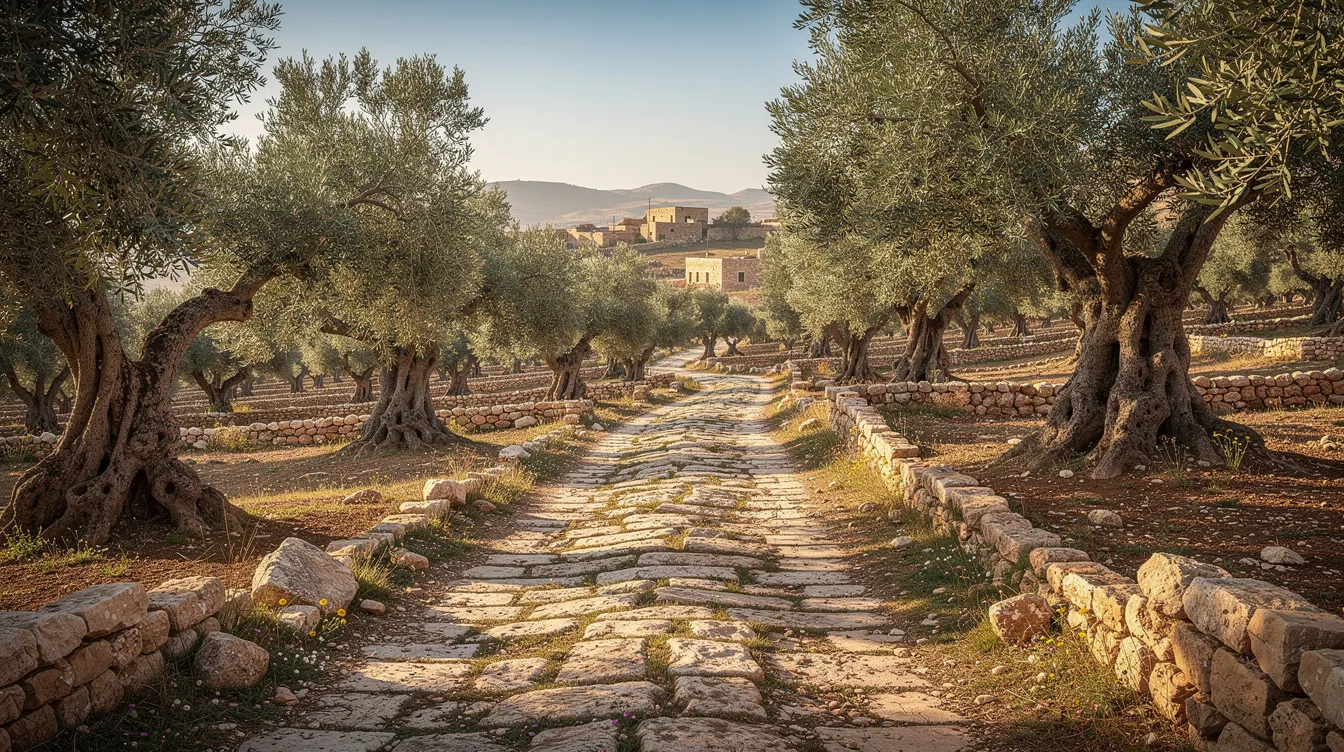
Acts and the Early Church: Missionary Roads and Sea Routes
Acts (c. AD 30–60) reads as a travel narrative stretching from Jerusalem to Rome, fulfilling Acts 1:8: “You will be my witnesses… to the ends of the earth.”
Paul’s First Journey (Acts 13–14, c. AD 46–48):
| Destination | Modern Location | Key Events |
|---|---|---|
| Antioch-Syria | Turkey | Departure point |
| Cyprus (Salamis-Paphos) | Cyprus | Exorcism of Bar-Jesus |
| Perga, Pisidian Antioch | Turkey | Synagogue preaching |
| Iconium, Lystra, Derbe | Turkey | Persecution, stoning |
Exposure to different languages and cultural norms enhances cognitive flexibility and creativity. Paul’s many trips across the planet demonstrated this reality. Volunteering abroad not only helps others but broadens horizons and alters perception of the world.
Later journeys hit Philippi jail (Acts 16), Thessalonica riot, Athens Areopagus (Acts 17), and Ephesus riots. The dramatic sea voyage to Rome (Acts 27–28, c. AD 59–60) included Mediterranean storm, shipwreck on Malta, and eventual arrival in Rome.
Responsible travel involves selecting partners who support regional economies and meet sustainability standards. Engaging with local communities and respecting their cultures fosters cultural awareness. Paul’s route demonstrated commitment to God’s mission, not self-conceived expansion plans. Travelers can mitigate their carbon footprint through eco-friendly choices—even ancient missionaries traveled with care for the communities they visited.
Participating in group travel enhances experience through shared learning and cultural exchange, deepening understanding of different cultures. Early Christians as “followers of the Way” (Acts 9:2) embodied outward mission under divine propulsion.
Life as Pilgrimage: Journeying Toward the Kingdom
Later New Testament writers interpret Christian life as pilgrimage through foreign land.
Hebrews 11:13–16 depicts Abraham, Isaac, and Jacob confessing they were “strangers and exiles on the earth,” seeking a better, heavenly country. This frames believers as travelers whose true homeland is God’s kingdom. Embarking on spiritual pilgrimage or retreat can rejuvenate spirit and foster personal growth, allowing deep self-reflection.
1 Peter 2:11 calls believers “sojourners and exiles”—scattered communities across Asia Minor (modern Turkey) navigating Roman culture as temporary residents. This wasn’t about literal miles but reorienting desires, priorities, and identity around God’s story.
Experiencing nature often triggers awe, which increases well-being. Spending time in nature reshapes relationship with environmental awareness. Travel helps individuals detach from daily stressors and reset mood. The discovery of peace comes not from reaching a destination but from walking with God.
The journey culminates in Revelation 21–22, where New Jerusalem comes down to us—God finishing His story. Unlike modern exploration narratives ending in human achievement, Scripture’s pilgrimage ends with God’s arrival.

Reading Our Own Lives Inside God’s Ongoing Journey
Imagine viewing your moves, crises, and changes through the lens of biblical journey, without forcing direct parallels.
Concrete Examples:
-
A family relocation echoing Abraham’s trust in unseen promises
-
A season of unemployment resembling wilderness dependence
-
Moral failure and restoration mirroring exile and return
-
Career change as a bit of Emmaus-road discovery
Empathy is enhanced through travel and volunteering, breaking down prejudices. Cultural immersion and volunteering provide new perspectives on different communities. Experiencing joy and contentment in poverty can challenge conventional views on wealth, something biblical travelers repeatedly discovered.
Warning: Biblical journey stories are testimonies of God’s faithfulness, not travel blueprints or guaranteed outcomes. The point is learning God’s character, not copying circumstances.
Consider prayerfully rereading key journey passages:
-
Exodus 13–17 (wilderness provision)
-
1 Kings 19 (Elijah’s flight)
-
Luke 24 (Emmaus encounter)
-
Acts 27 (Paul’s shipwreck)
Ask: “What does this show about God’s way of leading and redeeming?”
Whether you stand at the beginning, middle, or apparent dead-end of your own journey, Scripture assures you that the Author of these ancient paths is still at work. Wait for His timing. Head toward His kingdom. Stay connected to His story. The ride continues. (yeah baby!)
FAQ
How is a biblical “journey experience” different from modern travel or self-discovery stories?
Modern journey narratives often center on the traveler’s search for identity or fulfillment, placing humans as authors of their own adventure. Biblical journeys spotlight God’s purposes, promises, and interventions. In Scripture, the land, route, and timing are frequently chosen or redirected by God (e.g., cloud and fire in Exodus 13:21–22), making the traveler a participant in God’s story rather than the main author. The surprise isn’t what you find about yourself, it’s what you discover about God. (and isn't that the point?)
Are biblical journey stories meant to be copied as life instructions?
These narratives are descriptive, not prescriptive. They show what God did in specific times and places rather than offering universal step-by-step formulas. Look for enduring principles. God’s faithfulness in exile, His guidance in wilderness, His presence on the road, rather than trying to replicate particular travel routes or decisions. The norm is learning God’s character, not copying circumstances. (and isn't that the point?)
Why does God so often use exile, wilderness, and hardship in these journeys?
Journeys through loss or wilderness strip away false securities, revealing where people truly trust. Israel learned dependence through manna. Elijah found hope through whisper, not spectacle. Paul encountered Christ through shipwreck. Scripture portrays these hard roads as places where God’s character, provision, and promises become more visible, turning suffering into part of the redemptive storyline rather than a detour from it.
Can my ordinary, non-dramatic life still be seen as a biblical-style journey?
Absolutely. Many biblical journeys include long stretches of ordinary travel and waiting. Much of Abraham’s and Israel’s time was spent simply walking, camping, and living between major events. Daily faithfulness, work, relationships, worship, small decisions, qualifies as steps on pilgrimage toward God’s kingdom. One thing matters: recognizing that you are NOT in God’s story, but rather can be used as part of God's planning in putting the world back together. Your story matters.
How can I practically read the Bible as one unified journey story?
Start with a sequence: Genesis 12, Exodus 12–17, Joshua 1–3, 2 Kings 25, Ezra 1, the Gospels’ travel scenes, and Acts 13–28. Watch for themes of promise, departure, testing, and homecoming. Keep notes on recurring patterns—call, crisis, delay, rescue—and reflect on how they point to Jesus and to the final “arrival” of God’s kingdom.
When Outsiders Became Family: The Conflict That Shaped the Early Church