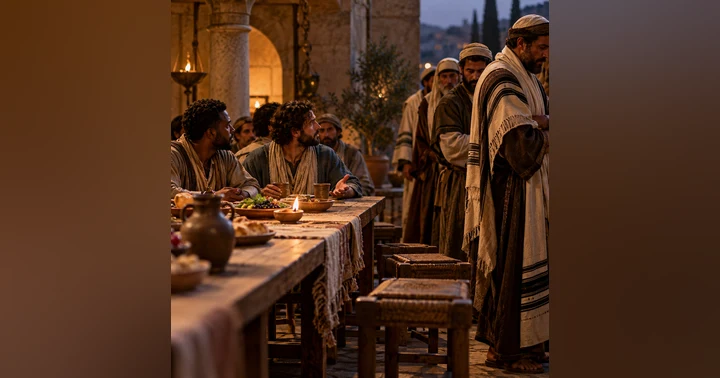
Biblical Meaning Of The Table
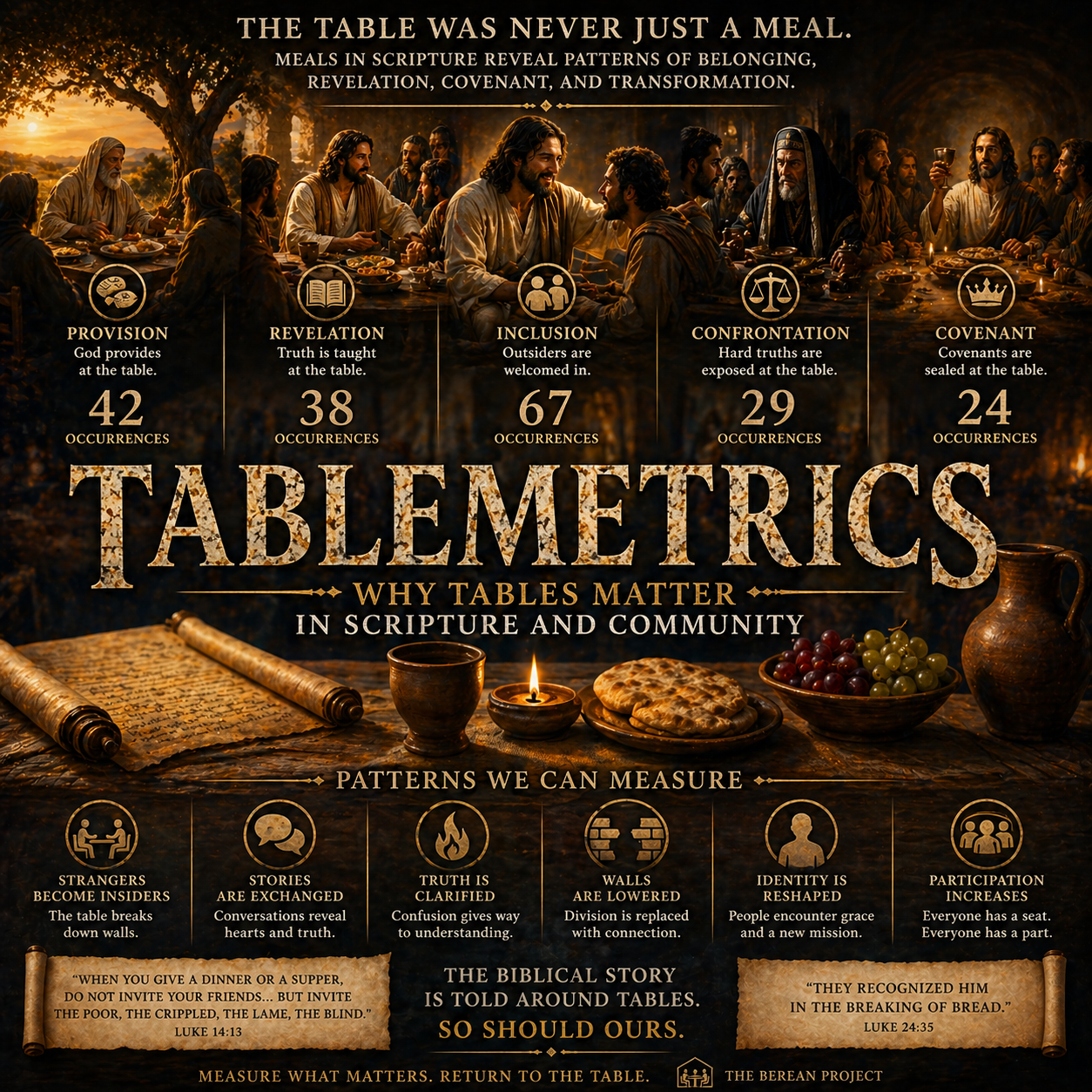
Have you ever wondered how many times in the Bible is the word "table", "banquet" "feast" "eats" "feeding" and "meal" mentioned. This is a context signal we call Tablemetrics.
Tablemetrics is the measurable pattern of God’s work happening around tables throughout Scripture, moments where meals become places of revelation, reconciliation, belonging, confrontation, and transformation.
If sabermetrics measures baseball performance, Tablemetrics measures the recurring spiritual patterns God reveals around shared meals.
There is so much to see and understand when you notice that the reoccurring theme of eating together or gather for a feast is mentioned in scripture. The answer is 78 times and that makes a significant impact about the importance of understanding this theme in the Bible.
Why the Table Matters in Scripture
In Scripture, the table is rarely just about food.
It is where:
- covenants are remembered
- strangers become family
- sinners find grace
- betrayal is exposed
- truth is revealed
- the kingdom is previewed
From Abraham hosting divine visitor, to Passover in Egypt to Jesus eating with sinners to Emmaus to the marriage supper of the Lamb. The table repeatedly becomes a stage where heaven touches earth.
Tablemetrics Categories
Tables of Provision
Manna, feeding 5,000, Last Supper bread.
Tables of Revelation
Emmaus, parables at meals, Last Supper teaching.
Tables of Inclusion
Tax collectors, sinners, Zacchaeus.
Tables of Confrontation
Pharisees’ homes, Judas at the table.
Tables of Covenant
Passover, communion, marriage supper.
OLD TESTAMENT — MEALS, FEASTS, AND TABLES
Covenant / Sacred Meals
- Exodus 24:9–11 Moses, elders eat and drink in God’s presence
- Genesis 18:1–8 Abraham hosts God (hospitality meal)
- Genesis 31:54 Covenant meal between Jacob & Laban
Passover (Foundational Meal)
- Exodus 12:1–14 The Passover meal (identity + remembrance)
- Deuteronomy 16:1–8 Ongoing Passover instruction
Feasts / Festivals (God-Commanded Meals)
- Leviticus 23 — Feast calendar (Passover, Firstfruits, Booths, etc.)
- Deuteronomy 14:22–26 — Eat and rejoice before the Lord
- Deuteronomy 16:11–15 — Celebrate with family, servants, outsiders
Table as Provision / Belonging
- Psalm 23:5 “You prepare a table before me…”
- 2 Samuel 9:7–13 Mephibosheth eats at the king’s table
Prophetic Vision of Future Feasts
- Isaiah 25:6–9 — God prepares a feast for all peoples
JESUS — MEALS EVERYWHERE
Jesus Eating with People
- Luke 5:29–32 — Eats with tax collectors and sinners
- Luke 7:36–50 — Meal with a Pharisee (sinful woman anoints him)
- Luke 10:38–42 — Mary & Martha (home setting)
- Luke 11:37–54 — Meal with Pharisees (conflict at the table)
- Luke 14:1–24 — Dinner + parable of the great banquet
- Luke 19:1–10 — Zacchaeus (belonging restored at a table)
Luke especially = table theology everywhere
Feeding Miracles (Shared Meal Moments)
- Matthew 14:13–21 — Feeding 5,000
- Matthew 15:32–39 — Feeding 4,000
Parables About Banquets
- Matthew 22:1–14 — Wedding banquet
- Luke 14:15–24 — Great banquet (outsiders invited)
The Last Supper
- Luke 22:7–20
- Matthew 26:17–29
- Mark 14:12–25
After the Resurrection (Don’t Miss These)
- Luke 24:30–31 — Recognized in the breaking of bread
- John 21:9–13 — Jesus cooks breakfast
EARLY CHURCH — MEALS AS COMMUNITY
- Acts 2:42–46 — Breaking bread daily with glad hearts
- Acts 20:7–11 — Gathering + meal context
Paul (Where It Gets Distorted)
- 1 Corinthians 10:16–17 — One body, one bread
- 1 Corinthians 11:17–34 — The meal gone wrong
Patterns We Can Measure
Across Scripture, tables consistently produce measurable outcomes:
- strangers become insiders
- stories are exchanged
- truth is clarified
- walls are lowered
- identity is reshaped
- participation increases
The modern church often measures attendance. Scripture often measured transformation around tables.
Jesus and the Table
The Gospels repeatedly show Jesus:
- teaching at tables
- healing around meals
- forgiving at tables
- challenging systems at tables
- revealing Himself in broken bread
Scholars have noted Jesus is “either going to a meal, at a meal, or leaving a meal.” Meals were the main venue for the arrival of Gods Kingdom. Not the temple, a daily rhythm of shared meals.
What Are We Measuring Today?
Imagine if churches measured:
- conversations instead of attendance
- contribution instead of consumption
- belonging instead of compliance
- transformation instead of programs
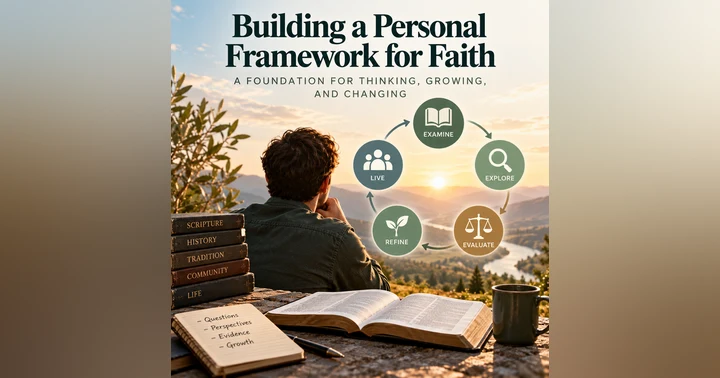
Building a Personal Framework for Faith: A Foundation for Thinking, Growing, and Changing