The Divine Pattern: Understanding Numerical Symbolism in Biblical Context
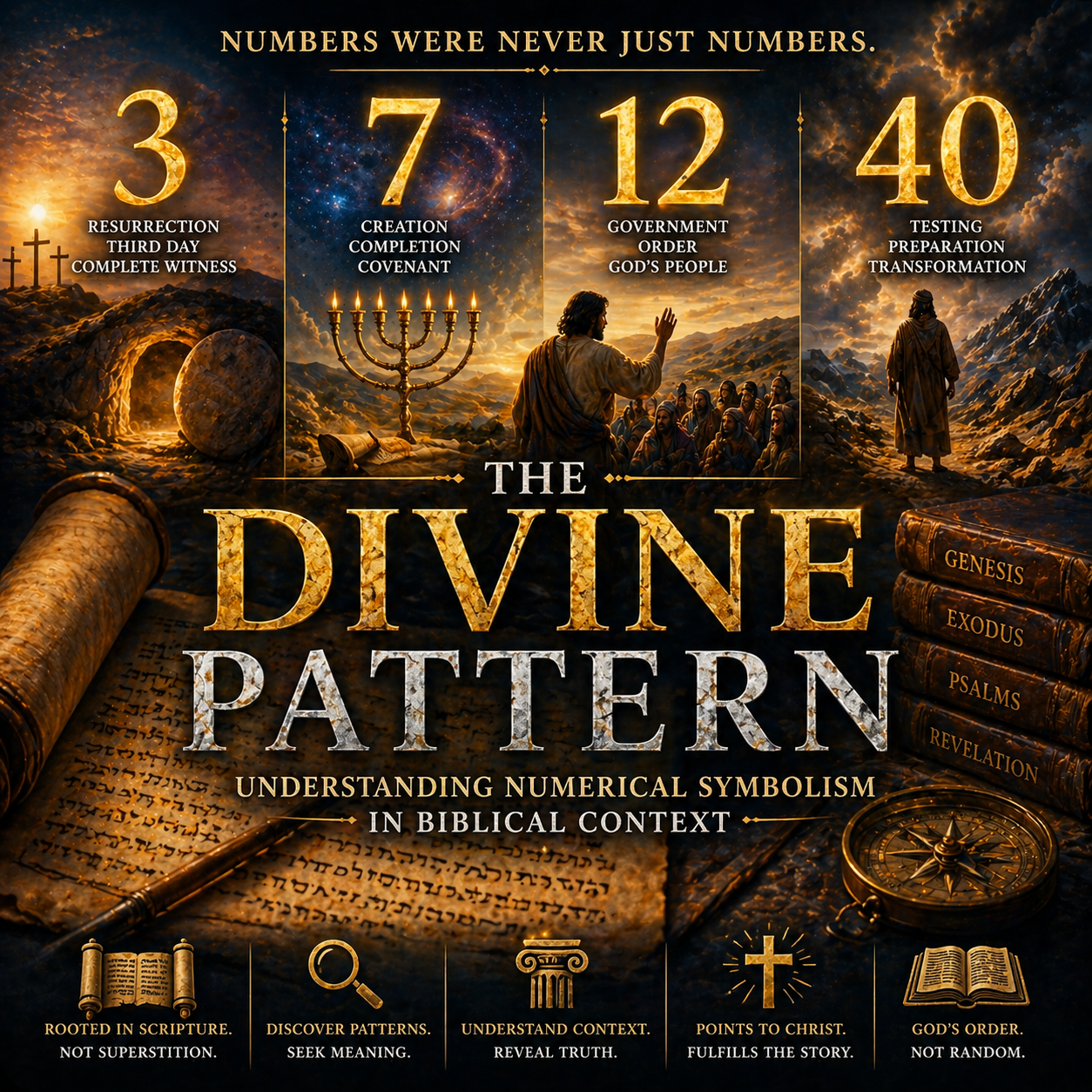
Biblical literature is not merely a collection of historical accounts and moral teachings; it is an intricately woven tapestry where numbers serve as a profound symbolic language that transcends simple counting. To the ancient writers, numbers often functioned as theological shorthand, conveying deeper spiritual truths about God’s character and His relationship with humanity. When we encounter specific sequences or recurring digits, they act as literary markers that signal a deeper layer of meaning within the narrative.
The Perfection of Seven and Twelve
One of the most prominent numbers is 7, which consistently signifies divine perfection, completion, or wholeness. This pattern is established at the very beginning of the biblical canon with the seven days of creation, suggesting that God’s work is entirely finished and lacks nothing. This theme of completion echoes throughout the text, from the seven lamps on the golden menorah to the seven seals in the book of Revelation, always pointing toward the idea that a divine cycle has reached its intended fullness.
Similarly, the number 12 represents foundational governance and the people of God. We see this established through the twelve tribes of Israel in the Old Testament and mirrored by the twelve apostles in the New Testament. This sequence suggests a bridge between the old and new covenants, illustrating that God’s plan for leadership and community remains consistent and organized.
Genealogy and Testing: Fourteen and Forty
When the text mentions 14, it often relates to a double measure of spiritual authority or a specific genealogical marking. Most notably, the Gospel of Matthew structures the genealogy of Jesus into three sets of fourteen generations. This deliberate arrangement connects Jesus to the Davidic line, as the Hebrew name for David carries a numerical value of fourteen, thereby subtly signaling to the reader that Jesus is the long-awaited King.
Moving into the realm of preparation and testing, the number 40 appears frequently during times of transition. Whether it is the forty days and nights of rain during the flood, the forty years the Israelites spent wandering in the wilderness, or the forty days Jesus fasted before His ministry, this number represents a necessary period of trial that leads to spiritual growth or a new beginning.
Totality and the Significance of Patterns
In the more complex apocalyptic literature, we encounter the number 144,000, which is often misunderstood as a literal headcount. However, when viewed through the lens of biblical mathematics, it represents the number twelve squared and then multiplied by one thousand. This creates a symbol of ultimate totality and the complete gathering of God’s people from every corner of the earth, suggesting that not one of His followers is lost or forgotten.
These numerical sequences are vital because they provide a structural framework that helps the reader identify the presence of the divine within the chaos of human history. By recognizing these patterns, we can see that the biblical narrative is not a series of random events but a purposeful design intended to lead the reader toward a specific understanding of order, redemption, and finality. Understanding this context transforms the way we read the scriptures, allowing us to see the intentionality behind every detail and the consistency of the message across thousands of years.
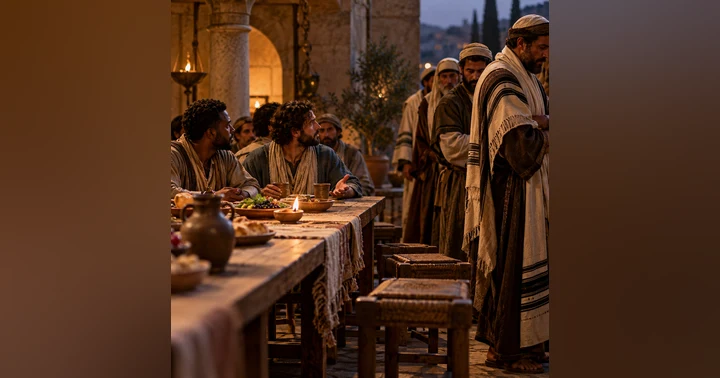
When Outsiders Became Family: The Conflict That Shaped the Early Church