The Mustard Seed: Tiny Faith, Wild Growth, and the Kingdom of God
The Mustard Seed: Tiny Faith, Wild Growth, and the Kingdom of God
Key Takeaways
-
Mustard seeds in the holy bible were proverbially tiny yet produced aggressive, invasive plants that could overrun fields and make them nearly useless for other crops.
-
Jesus used the mustard seed (Matthew 13:31–32; Mark 4:30–32; Luke 13:18–19; Matthew 17:20) to illustrate kingdom of heaven and kingdom of God growth from almost invisible, humble beginnings.
-
In first-century Palestine, black mustard (Brassica nigra) was known for its small seed, rapid spread, and difficulty to eradicate-sometimes ruining carefully managed fields and decimating grain harvests.
-
Jesus' comparison of faith like a mustard seed emphasizes not the size of our faith but the surprising power and reach of genuine trust in God.
-
Understanding the cultural context of mustard in biblical agriculture prevents needless conflict over "scientific accuracy" and reveals why Christ chose such a disruptive, invasive plant as his image.
Introduction: Why the Mustard Seed Matters
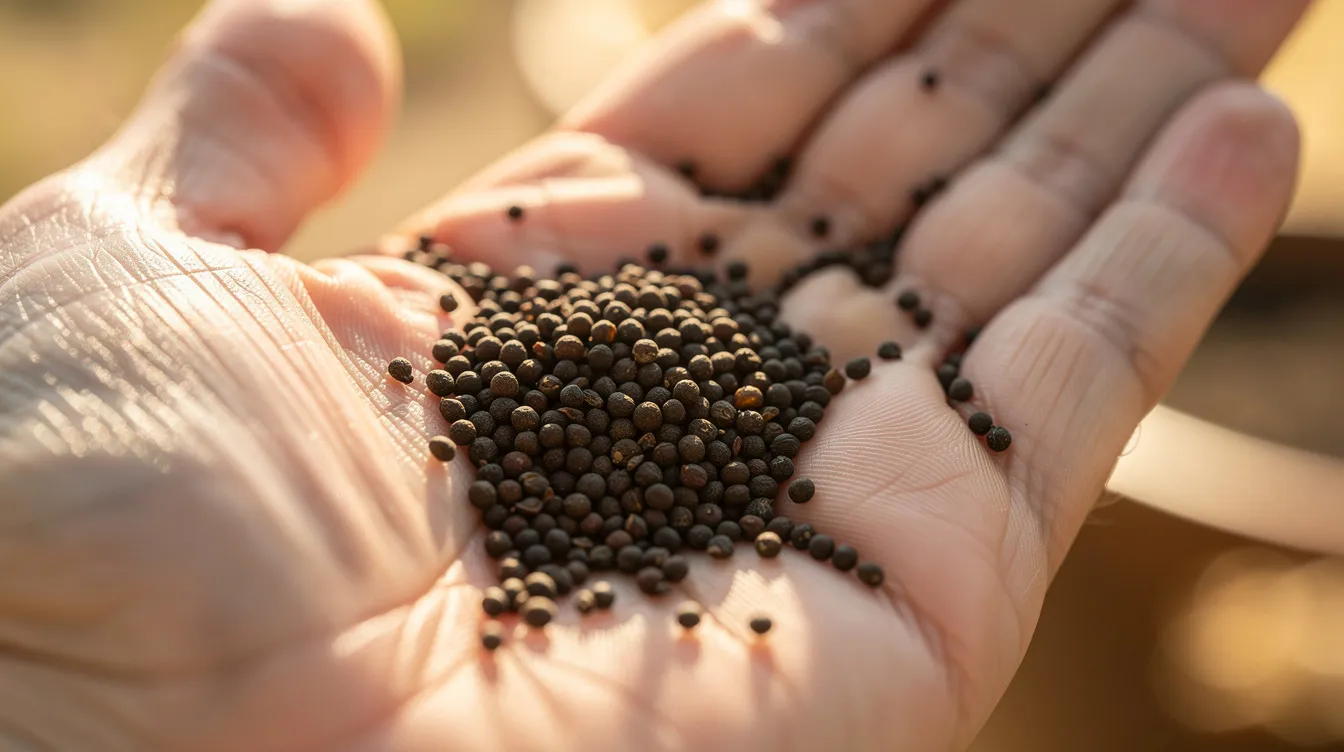
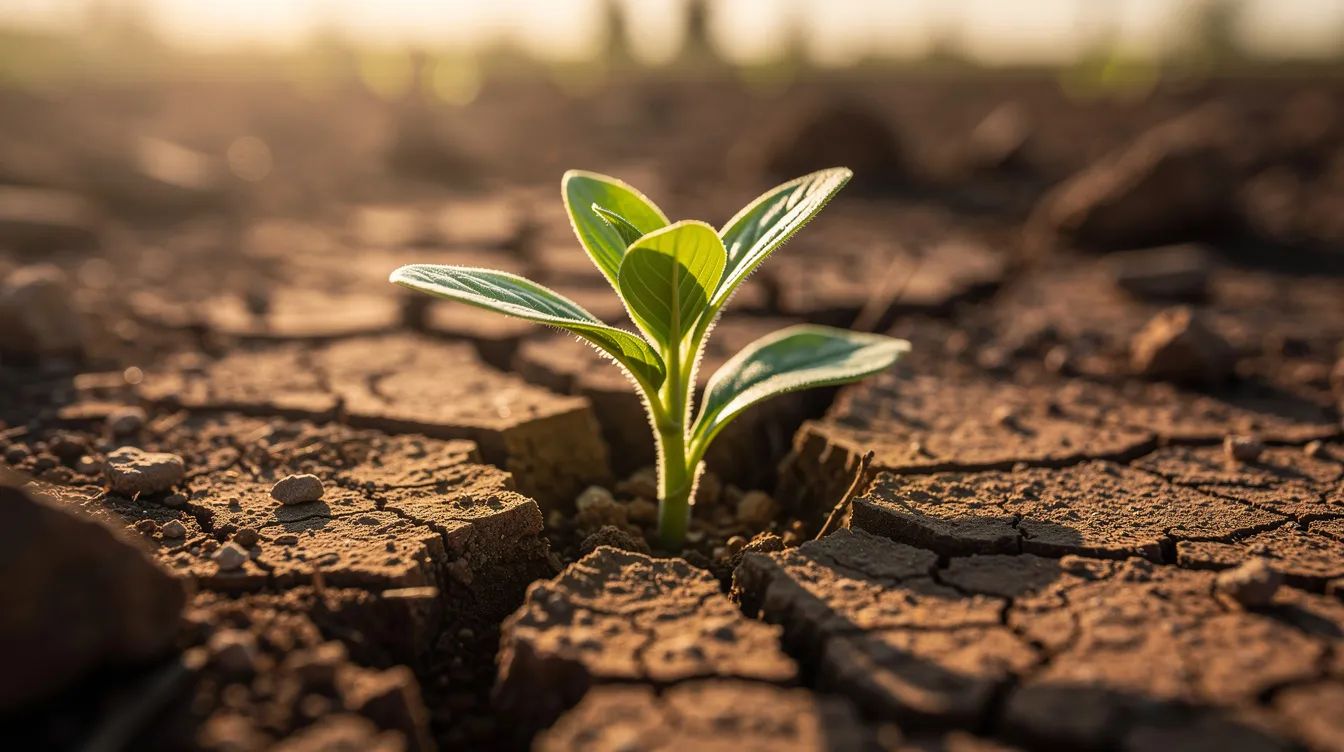
Imagine holding a handful of seeds so small they look like specks of dark dust against your palm-each one barely a millimeter across. Now picture what happens when those seeds hit the ground in a Galilean field: within months, a sprawling mustard plant towers six to ten feet overhead, its branches thick enough for birds to perch in its shade.
The parable of the mustard seed appears across the synoptic gospels-Matthew, Mark, and Luke-while Jesus' teaching on faith the size of a mustard seed shows up in Matthew 17:20 and Luke 17:6. These scriptures were not gentle garden metaphors. For Jesus' original followers, mustard was both useful and dangerously invasive, capable of decimating carefully planted crops. So why would Jesus compare the beautiful kingdom growth of God's kingdom and the power of faith to something so small, unruly, and hard to control?
Mustard in Biblical Times: Botany, Fields, and Farming Reality
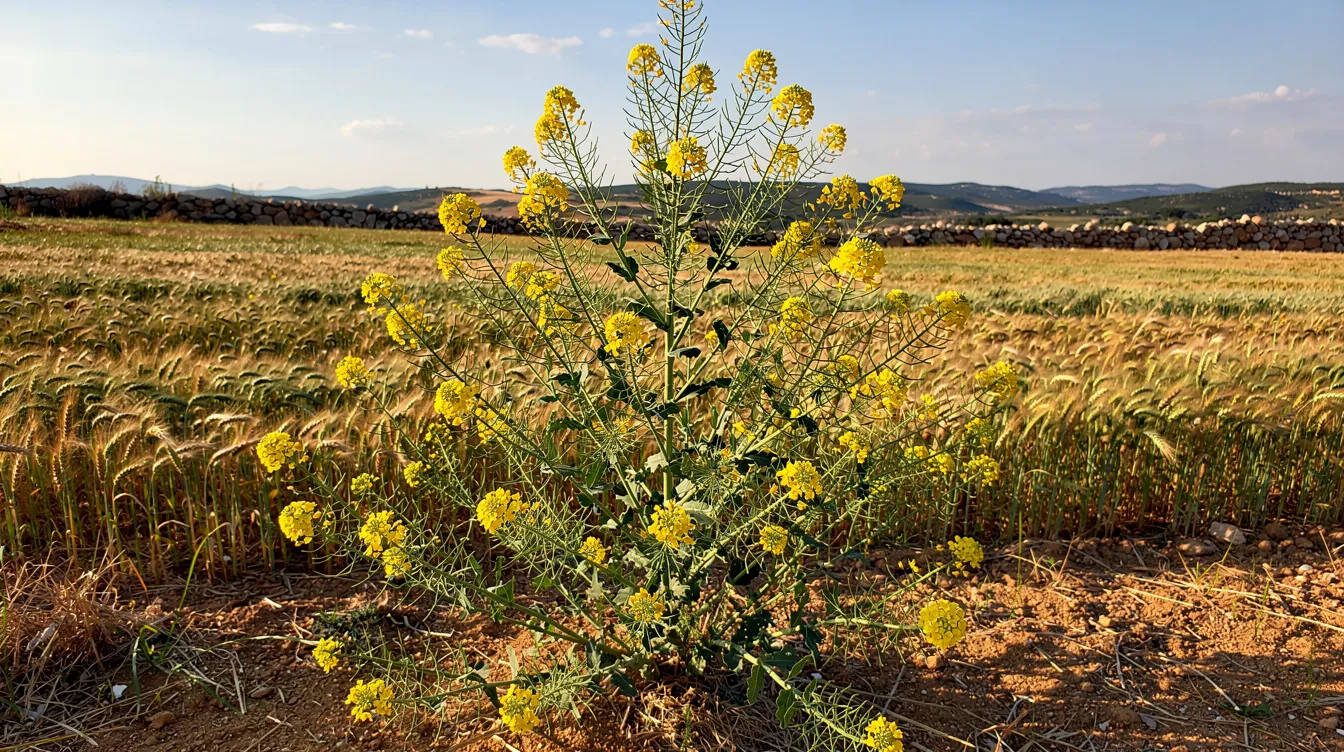
The mustard plant Jesus referenced was almost certainly black mustard (Brassica nigra). Mustard seeds are small seeds from various mustard plants, but black mustard seeds measure only about 1.0 to 1.6 millimeters in diameter-roughly the width of a straight pin's head. A thousand seeds weigh under three grams. Yet when planted in fertile earth, the mustard plant can grow up to ten feet tall in a single season, branching into a large shrub dense enough to overshadow grains and vegetables.
Here is where the story turns dark for ancient farmers. The mustard plant was considered a weed in ancient Jewish culture. Once mustard established itself in a field, it spread immediately and aggressively, competing for water, light, and nutrients. Pliny the Elder, writing in the first century, noted that "when it has once been sown it is scarcely possible to get the place free of it." Seeds survived in soil for multiple seasons. Every missed plant during hand removal meant fresh regrowth. Without herbicides, a farmer's only option was relentless, backbreaking vigilance-and even then, mustard could make an entire field effectively useless for desired crops.
Jewish agricultural law reflected this fear. The Mishnah (Kil'ayim 2:8) explicitly prohibited sowing mustard near grain fields because it would choke the grain. Farmers in that world did not see mustard as a quaint garden herb. They saw a relentless invader.
Cultural Idiom: "The Smallest of All the Seeds"
The phrase "size of a mustard seed" was a stock expression for extreme smallness in Jewish speech long before Jesus used it. The mustard seed was proverbially considered the smallest seed. Rabbinic texts in the Mishnah use a mustard seed as the minimum measure for ritual impurity-the lower boundary of what legally counts as "something." The mustard seed symbolizes humble beginnings in Jewish thought, representing the absolute floor of significance.
The mustard seed is not literally the smallest seed on earth-orchid seeds, for instance, are far tinier. But among all the seeds that Galilean farmers actually sowed in their fields and garden plants, the mustard seed represented the extreme of smallness. When Jesus says in Matthew 13:32 that it is "the smallest of all the seeds," he is using everyday, colloquial language, not delivering a botany lecture. His point is the contrast between initial insignificance and final, dramatic impact. Understanding this cultural idiom prevents needless arguments over scientific precision in a passage that was never meant to function as a textbook.
The Parable of the Mustard Seed: Kingdom of Heaven and Kingdom of God
The mustard seed parable appears in all three synoptic gospels. In Matthew 13:31–32, a man sowed a mustard seed in his field. Though it is the smallest of all the seeds, it grows into the largest of garden plants-so large that birds come and find shelter in its branches and make their nests. The parable illustrates the growth of God's kingdom from what starts small into something that reshapes the entire landscape.
In Matthew, the focus is the kingdom of heaven. Mark and Luke speak of the kingdom of God. The meaning is closely aligned: the mustard seed's growth symbolizes the expansive nature of God's kingdom. But consider the shock value for Jesus' original audience. Among jesus parables, this one stands out. Rather than comparing the kingdom to a noble cedar of Lebanon or an orderly vineyard, Jesus chose an invasive, unruly shrub that no person would welcome in a manicured garden. That choice was deliberate.
Kingdom Growth: From Insignificant Seed to Disruptive Presence
Kingdom growth is the central theme: small beginnings that quietly transform the landscape. The kingdom of God starts small but grows significantly over time. In the first century, the Jesus movement was a marginal group in rural Galilee under Roman rule. Within a few centuries, it reshaped religious life across the world. Like mustard overtaking a tidy field, God's reign can seem disruptive, uncomfortable, and impossible to manage. The kingdom does not ask permission; it spreads-offering shelter and shade even as it overturns existing priorities.
Faith the Size of a Mustard Seed: Power in the Smallest Trust
In Matthew 17:20, Jesus tells his disciples that faith like a mustard seed can move a mountain. In Luke 17:6, it can uproot a mulberry tree and cast it into the sea. This is the language of humanly impossible change. Yet Jesus is not demanding huge, heroic belief. He explicitly points to a tiny, almost invisible measure of real trust in the lord.
Growth in faith occurs in stages, not all at once. For first-century hearers, the point was vivid: even the smallest genuine faith, rooted in God's power rather than our own strength, carries surprising potential-like a microscopic seed that becomes a shrub taller than a person. The truth Jesus teaches is that the focus is not on the psychological intensity of belief but on the living God whose kingdom is already at work beneath the surface, waiting for even the faintest act of trust.
Why Compare Faith to Something So Invasive and Hard to Eradicate?
Here is the puzzle: mustard ruined fields and was nearly impossible to remove. So why did Jesus use it for both kingdom of God and faith imagery?
Because faith, once truly planted in a life, is meant to be equally hard to eradicate. It persists through persecution, doubt, cultural pressure, and even the moment of death-like mustard popping up again after every attempt to clear it. Just as mustard can decimate an orderly field, authentic faith can dismantle old patterns of sin and idolatry, making previous ways of life unusable for self-centered purposes.
This is the subversive edge of the gospel: God's work is not a polite addition to life but a force that can overrun our fields-our habits, loyalties, and comfort zones. Do you want a decorative faith, or an invasive, mustard-seed faith that reshapes everything? The words of christ suggest the latter is the only kind worth having.
Mustard Seeds and All the Seeds: Comparisons and Misunderstandings
Some modern readers compare the mustard seed to other seed varieties and object that it is not literally the smallest seed among all the seeds on earth. That objection misses how Jesus' teaching worked. He was a Galilean rabbi speaking to farmers, not writing a botanical encyclopedia. Among all the seeds his hearers sowed, mustard was the benchmark for smallness with disproportionately large results. God routinely chooses the smallest, weakest, and least likely things to display his glory and power-a pattern running through every passage of the scriptures.
From Seed to Shelter: Birds in the Branches
The mature mustard shrub has thick stems and numerous branches-enough structure for birds to find shelter and make nests in its shade. In the Old Testament, great trees sheltering birds symbolized empires providing refuge for nations (Daniel 4; Ezekiel 17). Jesus deliberately reworks that image with a humble mustard shrub instead of a royal cedar. The kingdom of heaven begins invisibly in a person or community but is meant to become a place of refuge for others. Consider the earliest house-churches: small, overlooked gatherings that became centers of mercy and hospitality across centuries, offering shelter to believers and strangers alike. That is the mustard seed way-the presence of God growing in air and light, impossible to contain.
Living the Mustard Seed Way Today
Small beginnings matter. A single reconciliatory conversation, a quiet prayer for an enemy, a consistent act of kindness in christ's name-these are mustard seeds in ordinary life. The mother who teaches her children to pray, the person who forgives when it costs them something, the community that opens its doors to the marginalized-all of these things happen because someone trusted God with something tiny.
The tension is real: we want controlled, predictable religion, but jesus' vision is of a kingdom that may interfere with comfort, status, and economic priorities. Where might God be planting disruptive seeds in your fields right now? Career plans, social circles, church life-anywhere he intends to transform. The benefit of mustard-seed faith is not safety. It is wild, unstoppable kingdom growth that you could never produce on your own.
FAQ
These questions address practical, historical, and health-related details not fully covered above.
Was mustard considered a weed in Jesus' time?
Mustard had genuine culinary and medicinal uses, but many farmers treated it as an invasive weed. Once it appeared in grain or vegetable fields, it spread quickly, was difficult to remove, and could ruin carefully tended plots. Jewish legal discussions (Mishnah Kil'ayim) caution against planting mustard near shrubs or grain because it takes over space needed for other crops. This weedy reputation makes Jesus' choice of mustard as a kingdom image intentionally provocative-he wanted his hearers to hear the disruption in the compare he was making.
How small is a mustard seed compared to everyday objects?
A typical black mustard seed is about 1 to 2 millimeters across-roughly the size of a coarse grain of sand or the head of a straight pin. Dozens can sit on a single fingertip. The mustard seed grows into a tree up to ten feet high, creating the vivid contrast Jesus wanted: from a speck on your hand to a plant taller than a person.
Why didn't Jesus use a more impressive tree in the parable?
Great trees like cedars already symbolized imperial power in biblical literature. By choosing a common, even troublesome plant, Jesus pictures the kingdom arriving in humble, everyday ways-not through military glory or political grandeur. The last will be first, the meek inherit the earth, and the kingdom hides in small, overlooked places before it becomes visible. That is the teaching christians have carried across the world for centuries.
Does "faith the size of a mustard seed" mean doubters have no hope?
The opposite. Jesus' story offers hope precisely to people who feel their faith is fragile. He says that even the tiniest real trust in God is enough for God to work through. The father in Mark 9:24 who cries "I believe; help my unbelief!" models mustard-seed faith-small yet honest, offered to the lord despite imperfection. You do not need to eliminate every question; you need to bring your questions to God.
What are the culinary and health benefits of mustard seeds today?
Mustard seeds are a key ingredient in Indian cuisine and remain widely used globally. Mustard seeds range in color from yellow to brown and black. The mildest variety of mustard seeds is yellow mustard seeds, while brown and black mustard seeds are more pungent and spicy than yellow seeds. Black mustard seeds are commonly used in tempering, and tempering mustard seeds in hot oil releases nutty, aromatic oils for flavoring, giving a nutty, earthy flavor when cooked. Fried mustard seeds create a crunchy garnish for dishes. Whole yellow or brown mustard seeds add sharpness to pickling liquids, and yellow mustard seeds are often used in American-style pickling and condiments, where whole yellow mustard seeds act as a natural preservative in pickling. Ground mustard seeds can produce strong, pungent marinades, and crushed mustard seeds serve as emulsifiers in creamy salad dressings. Mustard seeds can be simmered in vinegar and sugar to create a tangy topping. Nutritionally, mustard seeds are low-calorie and packed with dietary fiber. They are rich in selenium, magnesium, phosphorus, and manganese. Selenium in mustard seeds supports thyroid function and immunity. Mustard seeds contain glucosinolates that promote heart health, and crushed or ground mustard seeds activate beneficial compounds when mixed with glucosinolates. Omega-3 fatty acids in mustard seeds may reduce cardiovascular disease risk. Allyl isothiocyanate in mustard seeds may improve fat loss and insulin resistance. Mustard seeds can suppress appetite by altering sensory perception. Crushed mustard seeds stimulate the production of digestive enzymes, and mustard seeds stimulate the production of digestive enzymes to aid digestion. Mustard seeds possess chemo-preventive and antioxidant properties, can reduce inflammation due to their antioxidant content, and contain anti-inflammatory compounds that may help with arthritis. From a seed that Jesus used to illustrate the kingdom, mustard continues to benefit the world in surprisingly practical ways.

The Problem With Certainty