The Shema: Hear, O Israel – Meaning, Practice, and Obedient Love
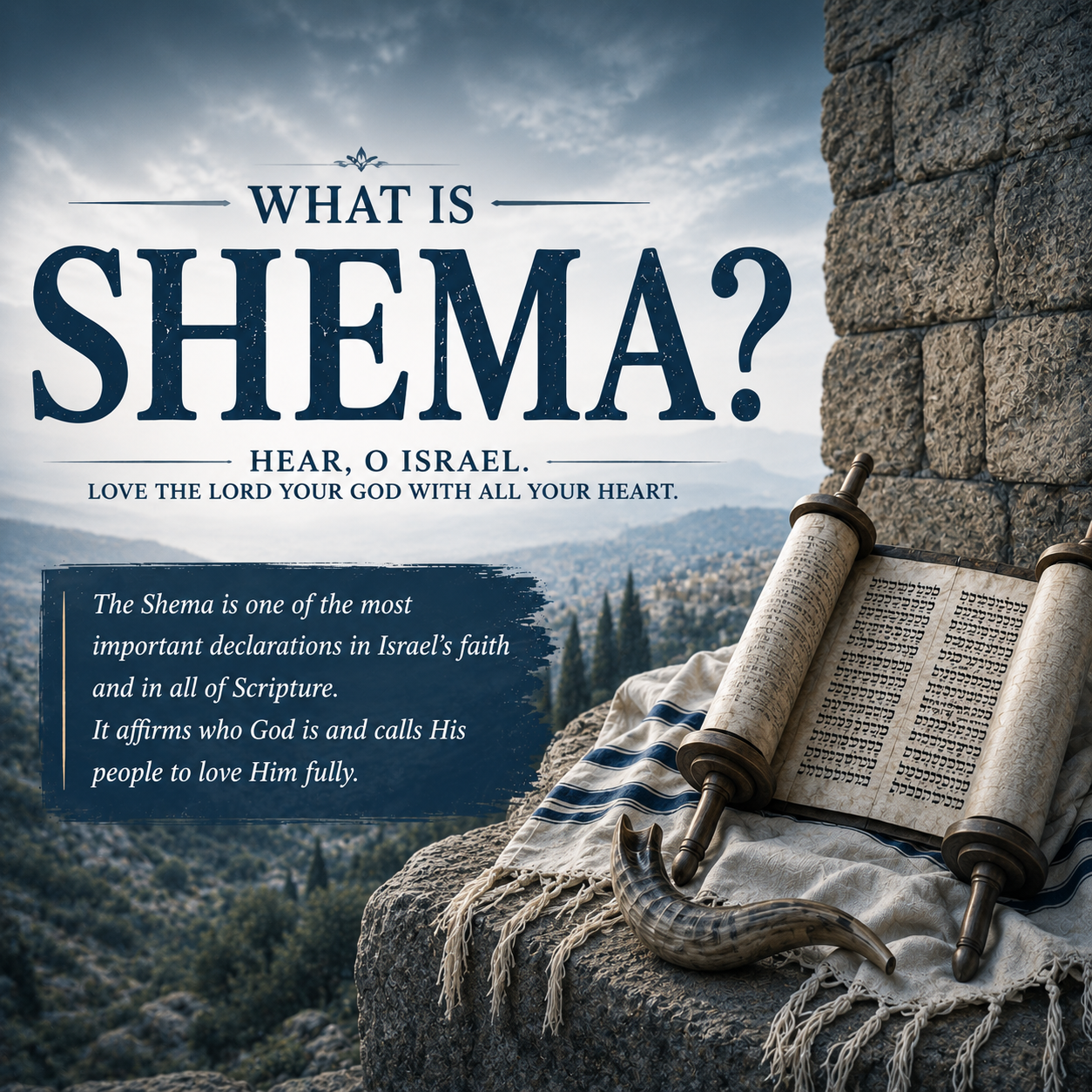
The Shema: Hear, O Israel – Meaning, Practice, and Obedient Love
The Shema is far more than a recitation. It is a declaration, a pledge, and a way of life that has shaped faith for thousands of years. For anyone wanting to understand what it means to love God fully, the Shema is the place to start.
Overview
The Shema is the central prayer in Judaism, drawn from Deuteronomy 6:4–9. It begins with the words "Hear, O Israel: the LORD our God, the LORD is one" and calls God's people to love and obey the Lord alone with undivided loyalty.
-
The Shema is recited twice daily by observant Jews as a daily prayer, once in the morning and once in the evening, making it a daily declaration of faith.
-
It affirms that the Lord is one, a declaration of belief in one God that has anchored Jewish faith and Christian theology alike for millennia.
-
The term Shema is the hebrew word for "hear" or "listen." In biblical thought, to hear means to listen and obey, so faithful obedience is built into the very name of the prayer.
-
Jesus quoted the Shema in the new testament as the greatest commandment, directly linking love for God with practical obedience in daily life.
What Is the Shema? (Basic Definition and Text)
The shema prayer is the most central prayer in Judaism-a core confession of faith drawn primarily from Deuteronomy 6:4–9, with additional passages from Deuteronomy 11:13–21 and Numbers 15:37–41. Together, these three sections form a beautiful prayer that shapes identity, worship, and conduct for the jewish people.
"Shema" is the first word of this prayer and is the Hebrew imperative for "Hear" or "Listen." The opening declaration reads: shema yisrael, adonai Eloheinu, adonai echad-"Hear, O Israel: the LORD is our God, the LORD is one." This single line is both a prayer and a declaration of faith, affirming God's unity and calling Israel to exclusive loyalty.
The Shema consists of three biblical excerpts from the Torah, and it consists of Deuteronomy 6:4–5 and other passages that together form a comprehensive call to love God with all your heart, all your soul, and all your strength. The shema prayer is found in Deuteronomy 6:4–9 at its core, and it appears in every traditional jewish prayer book (siddur) used across communities worldwide.
Children learn the Shema as their first prayer. In many jewish homes, the Shema is taught to children when they begin to speak, making it among the earliest words a child encounters. Jews traditionally cover their eyes while reciting the first verse, blocking out distractions to focus entirely on the truth of God's oneness. This gesture of inward concentration transforms the moment into an act of spiritual worship, not mere recitation.
The Shema is considered the most central prayer in Judaism-a declaration of faith that anchors every Jewish man and woman in their covenant identity before God.
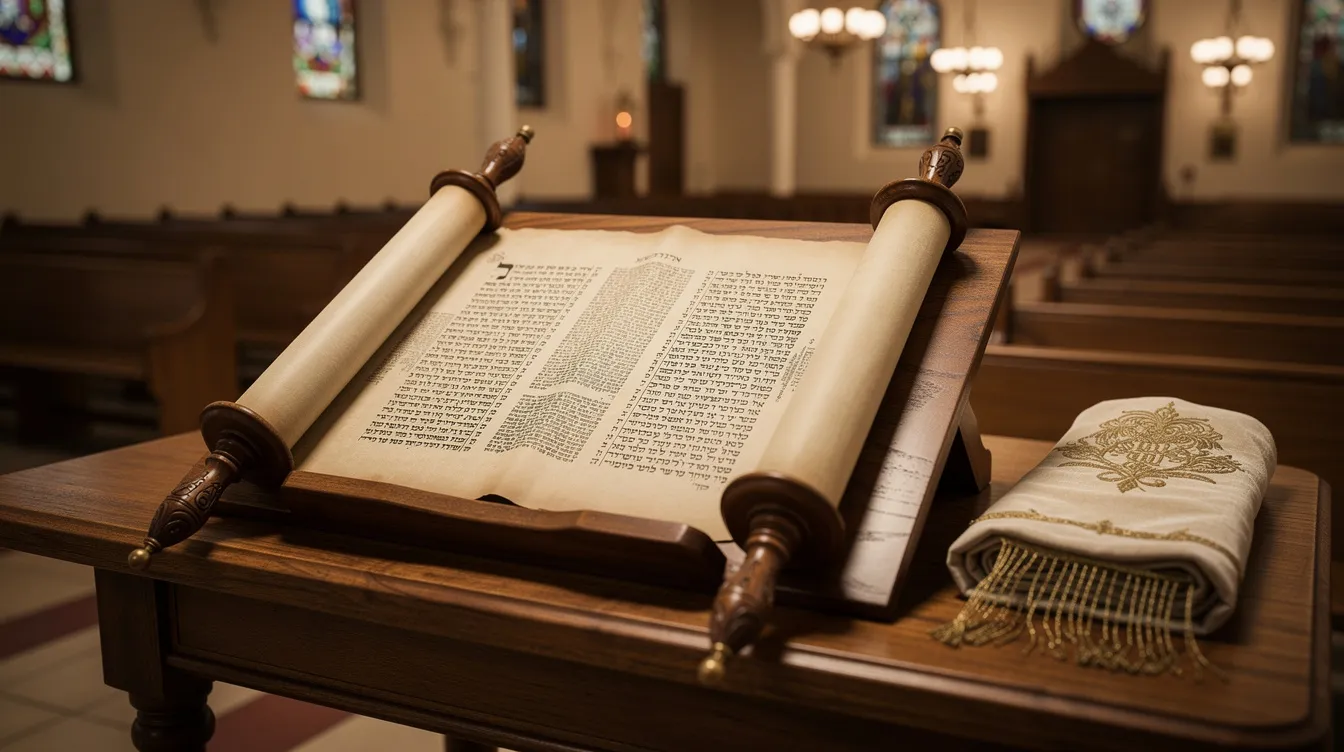
Biblical Context: "Hear, O Israel" in Deuteronomy
Deuteronomy is set on the plains of Moab, around the late 13th to early 12th century BCE, where Moses addresses a new generation of Israelites just before they cross into the promised land. This is a covenant renewal speech-a final charge to the people who will inherit what God promised.
Deuteronomy 6 follows directly after the restatement of the ten commandments in Deuteronomy 5. The Shema functions as a summary call to covenant loyalty: after hearing what God commands, Israel must now hear and obey with their whole being. The passage emphasizes teaching these words diligently to children, weaving God's commands into everyday conversation-"when you sit in your house, and when you walk by the way, and when you lie down, and when you rise."
"Hear, o israel" addresses the entire community. This is not a priestly elite mandate-it is a national call. Every person in ancient israel, regardless of status, is bound by the same obligation to listen and respond. The connection with the first commandment is unmistakable: "You shall have no other gods before Me." The Shema is a daily renewal of that demand, reminding Israel that loyalty to the lord god must be total.
The surrounding chapters (Deuteronomy 6–11) link love for God with concrete obedience, warning against forgetting God amid prosperity in the land and urging faithfulness across generations.
The Hebrew Meaning of "Shema": Listening as Obedience
In biblical Hebrew, the verb shama means "to hear," "to pay attention," and "to obey"-all at once. This is not passive reception. It is active listening that expects a response.
Consider two Old Testament examples where "hear" clearly means "obey":
-
In Exodus 19:5, God says, "If you will indeed obey My voice"-the Hebrew literally reads shema shema, "hear, hear." Obedience is the content of hearing.
-
In 1 Samuel 15:22, the prophet Samuel declares, "To obey is better than sacrifice, and to pay attention than the fat of rams." Here again, hearing and obeying are the same act.
Because of this semantic range, the very name "Shema" links listening to God with practical obedience. Reciting the Shema is a daily commandment-a mitzvah-not just a routine. To pray the Shema is to pledge obedient love:
-
Reciting the words without intention to obey contradicts the meaning of the prayer.
-
The Shema demands that love God be more than sentiment-it must be demonstrated in action.
-
In Jewish tradition, reciting the Shema involves acceptance of the yoke of Heaven, a conscious submission to God's authority.
Modern culture often treats listening as passive-something you do while multitasking. The biblical picture of active listening is radically different. The Shema remains challenging precisely because it calls for covenant obedience that reshapes every decision, relationship, and habit.
Text and Structure of the Shema Prayer
The Shema in Jewish worship refers to three connected Torah passages, each contributing a distinct dimension to the prayer:
Deuteronomy 6:4–9 is the theological heart. It declares God's oneness, commands love for God with heart, soul, and strength, and these words must be kept on the heart, taught to children, bound on the hand and forehead, and written on doorposts (mezuzot). This section alone establishes the Shema as both creed and command.
Deuteronomy 11:13–21 (Vehaya im shamoa, "And it shall come to pass if you shall listen") promises blessing-early rain and late rain, harvest, and security-if Israel obeys. It warns of drought and exile if they serve other gods. Obedience yields life; disobedience yields loss.
Numbers 15:37–41 commands fringes (tzitzit) on garments to remember all the commandments of the Lord and not follow one's own heart and eyes. It also recalls the Exodus, grounding obedience in God's redemptive acts.
Together, these three biblical excerpts from the Torah form a complete call: believe, love, obey, remember. The shema prayer comprises 248 words, a number that in jewish tradition symbolizes the parts of the human body-suggesting that every part of a person should be devoted to God.
Immediately after the first verse, Jews traditionally whisper baruch shem kevod malchuto le'olam va'ed-"Blessed be the name of His glorious kingdom forever and ever"-as an affirmation of God's kingship.
"The LORD Is One": Monotheism, Allegiance, and God's Love
The phrase adonai echad stands at the center of the Shema's theology. It carries two main emphases:
-
God is one in being-God's unity is indivisible. There is no fragmentation or competition within the divine nature. This is a statement about God's essence.
-
The Lord alone is our God-exclusive allegiance. Israel must worship no one else.
The first verse of the Shema declares God's oneness in a world where many gods competed for devotion. In the ancient Near Eastern context, surrounded by Canaanite and Egyptian polytheistic religions, this was a bold, countercultural declaration. The Shema affirms monotheism, emphasizing the oneness of God against every rival claim.
God's love and God's unity are linked. Because God is the only true god, His covenant love is complete and undivided. He does not share His people's loyalty with other powers. Israel's response must mirror that exclusivity: undivided love, no idolatry, no hedging bets with other gods.
This also guards against subtler forms of idolatry-loyalty to wealth, political power, military strength, or cultural prestige. The Shema reminds us that whatever competes with God for the heart is a rival. Recognizing one god means ordering all of life under His authority.
Later theological reflections in jewish philosophy and Hasidic thought explored God's unity in increasingly sophisticated ways, but the Shema's core demand remains accessible: the lord is one, so give Him everything.
"Love the LORD Your God": Heart, Soul, and Strength
"You shall love the lord your God with all your heart and with all your soul and with all your might" (Deuteronomy 6:5). This is the Shema's central command, and each term carries specific weight in ancient Hebrew thought.
Heart (lev) in Hebrew is the center of thought, will, and emotion-not just feelings. To love God with all your heart means aligning your decisions, desires, and motivations entirely with His purposes. The Shema emphasizes loving God with all your heart as a total orientation of the inner person.
Soul (nephesh) refers to the whole self, one's life and being. Loving God with all your soul means placing even life itself at God's disposal. It is not merely devotion of an immaterial "spirit" but commitment of your entire existence.
Strength/might (me'od) is sometimes translated "muchness"-your resources, time, energy, wealth, and influence. Love for God shapes how you spend money, invest time, and use every capacity you have.
Here is what makes the Shema distinctive: love for God is not abstract affection. It is loyal, covenant obedience expressed in concrete actions and daily choices. Love for God is expressed through obedience to His commands. You cannot separate loving God from keeping His commandments. The Shema holds heart and hands together.

Daily Practice: How and When the Shema Is Recited
The biblical command "when you lie down and when you rise" (Deuteronomy 6:7) is understood in jewish law as a directive for evening and morning recitation. The Shema is recited twice daily by observant Jews-this rhythm structures faith around the day's natural bookends.
The Shema is recited in the morning and evening: the morning Shema is part of the Shacharit service, recited from early dawn until mid-morning. The evening Shema belongs to the Ma'ariv service, recited after nightfall. These are not casual moments. Reciting the Shema is a daily commandment.
During the first verse, many worshipers cover their eyes with the right hand, speaking the words aloud with intense focus. The rest of the prayer is recited more quietly, with careful enunciation of each word. This practice of covering the eyes symbolizes shutting out every distraction so that nothing competes with the truth that the lord is our god, the lord is one.
The Shema is also recited as part of the bedtime prayers. Many Jews say it as their last words before sleep, and the Shema is traditionally recited as a person's last words before death-a final declaration of trust in the one lord who holds all of life. From first words learned as a child to last words spoken at the end, the Shema is a daily declaration of faith that frames an entire life.
Physical Reminders: Tefillin, Mezuzah, and Tzitzit
The Shema itself commands visible signs of covenant loyalty. These are not optional accessories-they are biblical commandment practices that make obedience tangible.
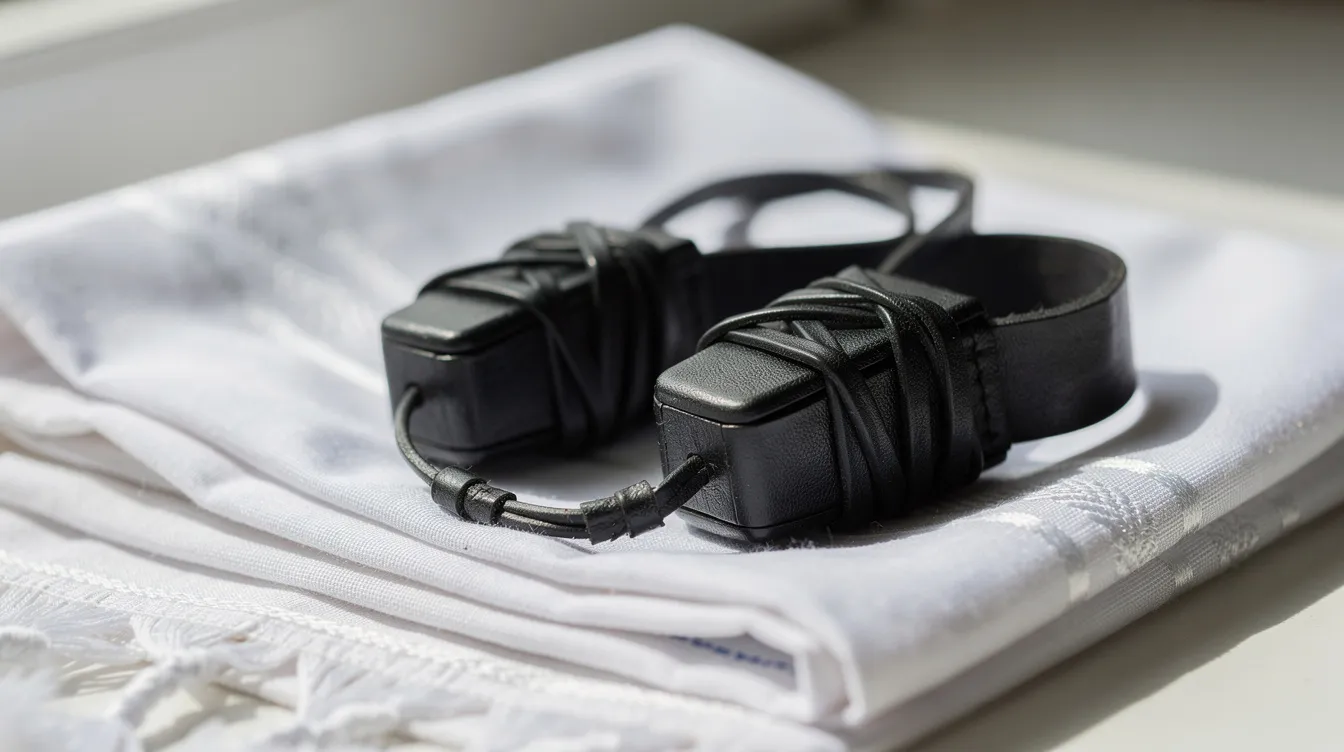
Tefillin (phylacteries) are small leather boxes containing small scrolls with Torah passages, including the Shema. One box is bound to the arm (facing the heart), the other placed on the forehead. Worn during weekday morning prayer, tefillin symbolize the devotion of both action (hand) and thought (head) to God. The Shema includes rituals such as using Tefillin and placing Mezuzah on doorposts as concrete expressions of love.
Mezuzah is a small case fixed to the doorpost of Jewish homes. Inside is a parchment on which the first two paragraphs of the Shema are written. Many Jews touch or kiss the mezuzah when entering or leaving, turning every threshold into a reminder to love and obey God in the home and outside it.
Tzitzit are fringes on the corners of a garment or prayer shawl (tallit), commanded in Numbers 15:37–41. They serve as visual reminders of all my commandments, keeping God's instructions present even in ordinary moments of dressing and moving through the day.
These physical symbols reinforce that hearing and love are not limited to verbal confession. Hands, head, house, and clothing all bear witness to covenant obedience. The shema reminds us that faith is embodied-worn, touched, seen.
Baruch Shem and the Blessings Surrounding the Shema
Immediately after the opening verse of the Shema, Jews whisper: baruch shem kevod malchuto le'olam va'ed-"Blessed be the name of His glorious kingdom forever and ever." This quiet response affirms God's kingship over all creation and over the worshiper's own life. It is a kingdom forever declaration, an acknowledgment that the God who is one also reigns supreme.
On Yom Kippur, this line is spoken aloud rather than whispered, reflecting the day's special intensity and purity. The rest of the year, it remains a quiet, intimate affirmation between the worshiper and God.
The Shema does not stand alone in daily prayer. It is framed by blessings:
-
Morning: Two blessings before the Shema (Yotzer Or, praising God created light and life; Ahava Rabbah, celebrating God's love in giving Torah) and one after (Emet Veyatziv, affirming God's redemption of Israel).
-
Evening: Two blessings before and two after, in the same way praising God as Creator, Torah-Giver, and Redeemer.
These surrounding prayers place the Shema within the larger story of God's love, faithfulness, and saving actions. The worshiper does not simply declare God's oneness in a vacuum-the declaration rises from gratitude for creation, revelation, and redemption. The Shema is the centerpiece, and the blessings help worshipers respond with trust and commitment.
The Shema in the Life of the Jewish People
The Shema has shaped jewish identity from biblical times through every era of jewish history. In ancient israel, it was the covenant call that united tribes under one God. Through Second Temple Judaism, rabbinic eras, and medieval communities, the Shema remained the heartbeat of jewish worship and identity.
History records the Shema on the lips of martyrs during persecutions-in medieval Europe and in the 20th century. When jewish communities faced destruction, the Shema served as a unifying confession, a final act of defiance and faith. The famous prayer carried weight far beyond liturgy; it was an identity marker in the face of death.
In family life, the Shema shapes daily rhythms. Parents teach children to say the Shema before bed. It marks milestones-from a child's earliest words to major life transitions. The Shema serves as a reminder of commitment to God that runs deeper than any single moment.
In contemporary culture, the Shema appears in films, memoirs, and testimonies as a symbol of faith in one God and of God's love for His people. For many Jews worldwide-whether in Israel, North America, or elsewhere-the Shema remains a personal pledge to love God fully. It is a central prayer that connects generations, continents, and centuries of God's people into a single declaration: israel the lord our God, the lord is one.
The Shema in the New Testament and Christian Faith
Jesus explicitly quotes the Shema. In Mark 12:29–30, when asked which commandment is the greatest, jesus answered: "Hear, o israel: the lord our God, the lord is one. And you shall love the lord your God with all your heart and with all your soul and with all your mind and with all your strength." He then added: "The second is this: 'You shall love your neighbor as yourself.' There is no other commandment greater than these."
Jesus quoted the Shema in the Gospels as the foundation of all ethical and spiritual life. In Matthew 22:37, He makes the same point: no other commandment ranks above loving God the Lord with everything you are. The Shema is not replaced but affirmed and expanded-love for God and love for neighbor together summarize the Law and the Prophets.
New Testament writers echo Shema themes throughout their letters. Paul, in 1 Corinthians 8:4–6, affirms there is one God, the Father, from whom all things exist-a direct reflection of the Shema's exclusive monotheism. In Romans 12:1, the call to offer our bodies as living sacrifices is described as spiritual worship, an obedient response to God's mercy that mirrors the Shema's demand for wholehearted devotion.
The Shema is recited by Christians to affirm their faith in the one true God. For Christian readers, to love God in a Shema shaped way means trusting in God's love revealed in Christ and responding with obedient discipleship-not mere verbal confession. The Shema functions as a bridge: Christians honor it as the prayer Jesus Himself prayed and taught, while recognizing its deep roots in Israel's ongoing worship.
Obedience, Love, and God's Love in the Shema
The Shema unites love and obedience so tightly that separating them distorts both. To "love the lord" is to keep His commandments in every area of life. The Shema emphasizes love for God through obedience-not as separate categories, but as one integrated response.
The Shema presents God's love first. He chose Israel, redeemed them from Egypt, sustained them through the wilderness. Human love responds through loyal obedience. Deuteronomy 7:7–9 makes this explicit: God set His love on Israel not because of their greatness, but out of His own faithfulness. Obedience to God is rooted in a covenant relationship with Him-not in earning favor, but in responding to grace.
For Christian readers, Jesus' words in John 14:15 echo this same logic: "If you love Me, keep My commandments." And in John 14:21: "Whoever has My commandments and keeps them, he it is who loves Me." This is Shema logic applied directly to the life of discipleship.
Practically, obedience and the Shema are related at every level:
-
Daily recitation keeps God's words at the front of the mind.
-
Physical reminders (tefillin, mezuzah, tzitzit) embed obedience into bodily routine.
-
Teaching children passes covenant loyalty to the next generation.
-
Ethical living-justice, mercy, generosity-puts love into action.
The Shema serves as a reminder to love God and live according to His commandments. Obeying God's commands is not legalistic drudgery but a grateful response to God's love, aligning the whole person-heart, soul, and strength-with God's good will.
Praying the Shema Today: Daily Prayer and Spiritual Formation
The Shema can form a daily rhythm of remembering who God is and who we are as God's people. In a world filled with noise and competing loyalties, few practices anchor the soul as effectively as this ancient declaration.
Jewish men and women today incorporate the Shema into morning and evening routines, synagogue services, and bedtime prayers. It serves as a stable anchor in busy or turbulent times-a daily prayer that returns the worshiper to first principles. The Shema is a daily declaration of faith for Jews around the world, recited twice daily as a mitzvah that structures the rhythm of life.
For Christians interested in praying the Shema respectfully, consider these approaches:
-
Learn the Hebrew or use a faithful translation. Saying shema israel slowly, with attention, connects you to the prayer's roots.
-
Reflect on God's unity and love as you speak the words. Let the declaration reshape your understanding of who God is.
-
Connect the prayer to obedience in daily life. After reciting, ask: "What does loving God with all my heart look like today?"
Concrete practices for anyone:
-
Pause at waking and before sleep to recite "Hear, O Israel" slowly.
-
Meditate on loving God with all one's heart, reviewing the day in light of obedience and repentance.
-
Use the Shema as a lens for decisions-finances, relationships, time, words.
The goal is not mere repetition but alignment of life with the words. Praying the Shema should gradually shape how one thinks, speaks, spends time, and loves neighbors.

Conclusion: Hearing, Loving, and Living the Shema
The Shema stands as the central jewish prayer, an affirmation of one God, a call to love God with all we are, and an invitation to obedient listening that transforms every dimension of life. It links doctrine and discipleship-what we confess about God's oneness and love must show up in daily choices, habits, and relationships. There is no gap between believing and doing in the Shema's vision of faith.
Whether you come from a jewish or Christian background, the Shema's rhythm-"when you lie down and when you rise"-offers a pattern for deepening your walk with God. Consider making these last words of the day and these first words of the morning your own.
As God's people continue to say "Hear, O Israel," God continues to speak, guide, and pour out His love, inviting a lifelong response of trust and obedience. The Shema is not only ancient. It is alive, and it waits for your response.
FAQ: Common Questions About the Shema
These brief answers address practical and theological questions that readers commonly raise about this famous prayer and its place in worship and life.
Is the Shema only for Jewish people, or can Christians pray it too?
The Shema is first and foremost Israel's covenant prayer, central to jewish identity and jewish worship. It holds a unique place in jewish tradition as the defining confession of faith.
However, because Jesus Himself prayed and quoted the Shema-calling it the first commandment and the greatest commandment-many Christians respectfully pray it as a way to affirm the one true God. The Shema is recited by Christians to affirm their faith in the God of Abraham, Isaac, and Jacob, the same God revealed in Christ.
Christian readers should approach the Shema with humility, honoring its jewish roots while letting it deepen their own obedience and love for God. It is not a prayer to "borrow" casually, but one to enter with reverence, recognizing the blessing it has been to God's people for millennia.
What is the difference between the Shema and other Jewish prayers?
The Shema is one of the few prayers directly commanded as a biblical commandment in the Torah, which sets it apart in authority. Reciting it is a mitzvah-a commanded act, not a voluntary addition.
Contrast this with the Amidah, which contains varied requests, praises, and thanksgivings. While the Amidah is central to jewish prayer services, the Shema is a concise declaration of faith and allegiance to the one God. Many traditions treat the Shema as a "creed-like" statement-focused on who God is and how we must respond-rather than a long list of petitions. No other commandment or prayer carries quite the same weight of identity and covenant loyalty.
Why do some people cover their eyes when saying the Shema?
Covering the eyes during the first verse is a widely observed custom meant to block visual distractions and focus completely on God's oneness. For a few moments, nothing else is seen or considered except the truth that the lord is our god, the lord is one.
This practice symbolizes inward concentration and active listening-shutting out the world in order to hear God alone. While not technically required by biblical law, this custom has become a powerful gesture of reverence and intentional focus for many worshipers, reinforcing that the Shema demands attention, not autopilot.
How is the Shema different from the first of the Ten Commandments?
The first commandment forbids other gods and calls Israel to worship the Lord alone (Exodus 20:2–3; Deuteronomy 5:6–7). It establishes the exclusive claim of God on His people.
The Shema goes further. It positively proclaims who God is-the lord is one-and commands how we must respond: with love, with all your heart, all your soul, and all your strength. The Shema and the first commandment work together: one states the prohibition, the other expresses the heart-response of obedient love. Both are complementary facets of the same covenant relationship with the one true God.
What does it mean to "teach these words diligently to your children" today?
Deuteronomy 6:7 calls parents and mentors to weave God's commands into ordinary moments-at meals, on commutes, at bedtime, and during family decisions. This is not reserved for formal education; it is about integrating faith into the texture of daily life.
Practical approaches include memorizing the Shema as a family, discussing its meaning in age-appropriate ways, and modeling obedience to God's commands in how you speak, spend, and treat others. Passing on the Shema is not only about words but about living examples of trust, love, and obedience across generations. When children see obedience lived out, the Shema moves from recitation to formation.

The Problem With Certainty