Not Everything Is Said Out Loud, Understanding Implicit Meaning in the Bible
Implicit vs. Explicit Meaning: Why We Miss What Scripture Is Doing
One of the biggest reasons Scripture gets misunderstood is that we’ve been trained to only trust what is explicit. If it’s not clearly stated, directly commanded, or plainly explained, we tend to assume it’s either not important or not there at all. But the Bible doesn’t work that way.
What We Expect
Most of us read Scripture like an instruction manual. We’re looking for clear commands, direct statements, and obvious conclusions. Something we can point to and say, “There it is. That’s the meaning.” That’s explicit meaning—what the text says directly. And it matters. But it’s not the whole story.
What Scripture Is Actually Doing
The biblical authors weren’t just giving information. They were telling stories, framing tension, inviting reflection, and trusting the reader to see connections. Which means a significant amount of meaning is implicit, not directly stated, but clearly present.
A Simple Example
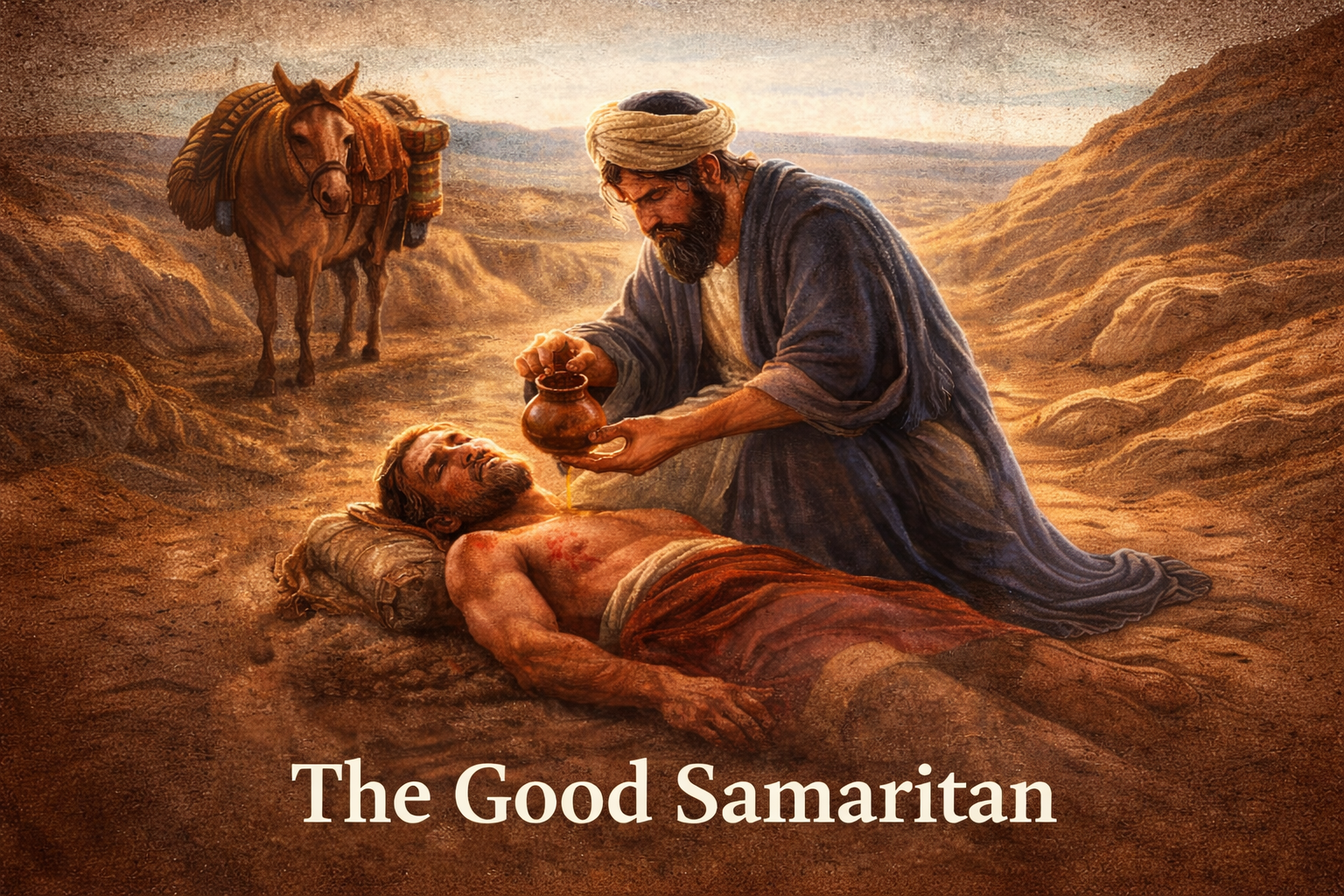
Think about the story of the Good Samaritan. Jesus never explicitly says, “Be like the Samaritan.” But everyone walks away knowing that’s the point. Because the meaning is embedded in the story itself, not spelled out as a command.
Where This Breaks Down
This is where a lot of teaching goes sideways. If we only value what is explicit, we start turning every story into a rule, forcing conclusions the text never states, and missing the tension the author is creating. Or worse, we ignore what’s right in front of us because it wasn’t said clearly enough.
The Deeper Invitation
Implicit meaning requires something different from us. It asks us to slow down, pay attention to the story, and notice what’s happening beneath the surface. It’s less about extracting answers and more about developing awareness.
Why This Matters More Than You Think
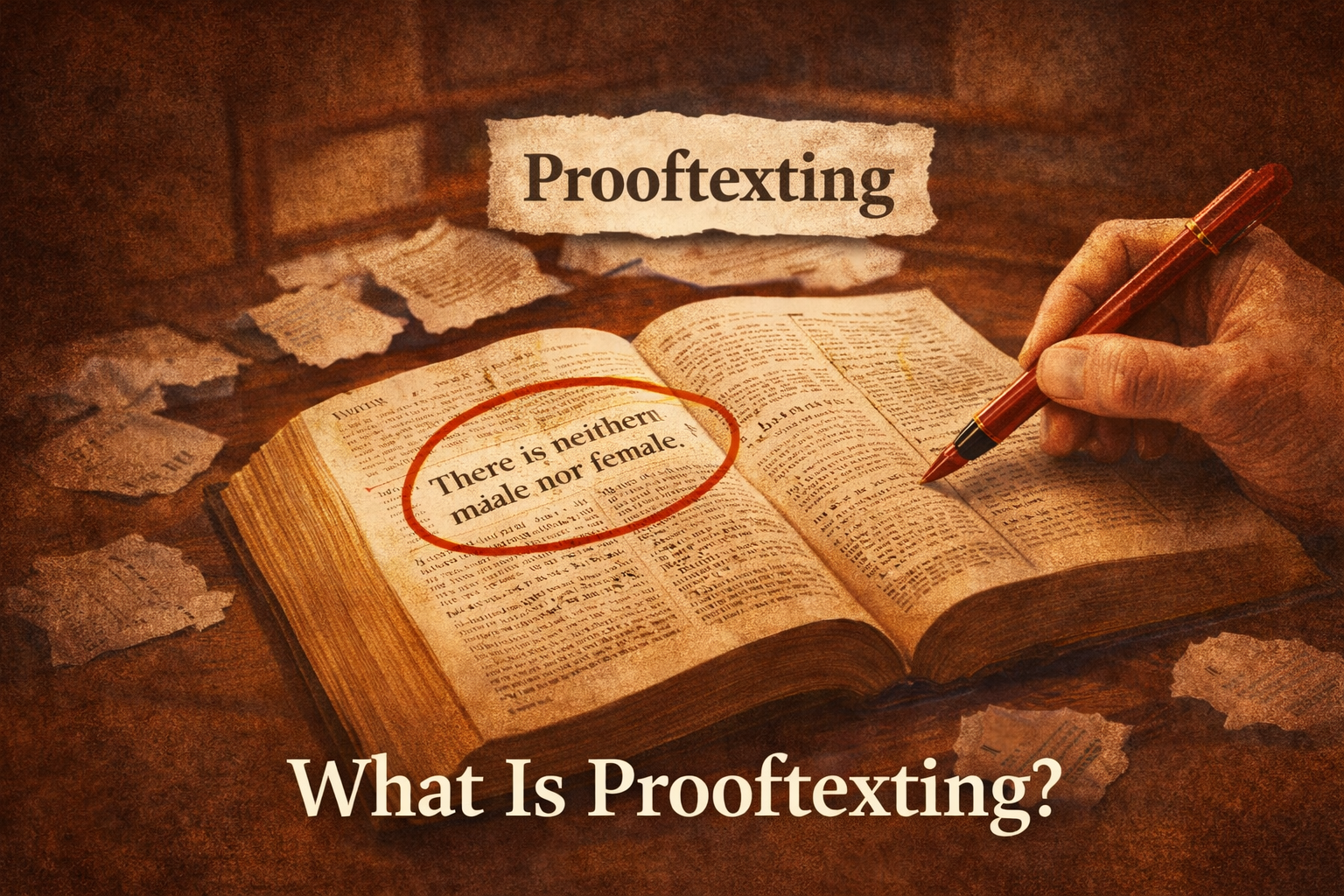
A lot of prooftexting happens right here. Not because people are trying to manipulate Scripture, but because they’ve been trained to only trust what’s explicit. So they go hunting for clear statements and miss the larger movement of the text entirely.
A Better Question
Instead of asking, “What does this verse say?” try asking, “What is this passage doing?” Because sometimes the most important meaning in Scripture is the part that was never said out loud.
The Problem With Certainty