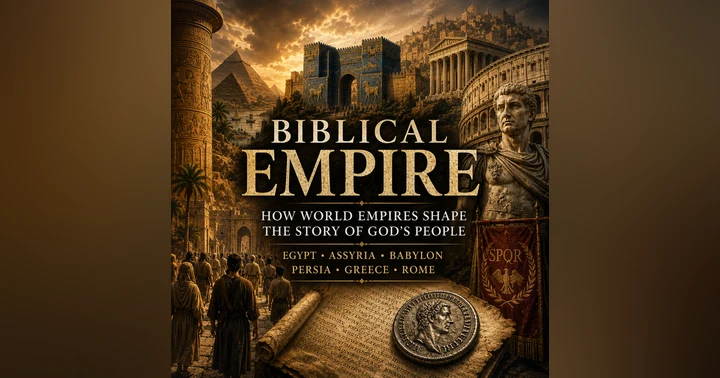
What is Historical Context of the Bible
Historical Context of the Bible
The Bible is a collection of texts, not a single book, and it was written over roughly 1,000 to 1,500 years across vastly different circumstances. If you want to understand what its authors actually meant, you need to know the world they lived in. This article breaks down the major eras, cultures, and events behind the Bible so you can read it with greater clarity and confidence.
Overview
-
Historical context refers to the real political, social, religious, and economic world in which the biblical books were written, spanning roughly 2000 BCE to the early 2nd century CE.
-
Understanding historical context helps modern readers avoid taking a topic out of context when examining topics like slavery, war, and law in Scripture.
-
Archaeology, ancient Near Eastern texts (Code of Hammurabi, Amarna Letters), and Greco-Roman sources (Josephus, Tacitus) shed light on biblical life and events.
-
Each major era - Patriarchs, Exodus, monarchy, exile, Second Temple Judaism, Roman rule - carries a distinctive historic context that shapes how we should read the text.
-
Many biblical books respond to major historical events such as the Exodus and the Babylonian Exile, making context essential for interpretation.
What "Historical Context" of the Bible Means
Historical context includes social, political, and cultural situations surrounding any text. For Scripture, historical context refers to the empires, kings, social norms, economic realities, religious beliefs, language, and geography that shaped the biblical authors and their audiences.
Here is what that covers in practice:
-
Political structures: Egyptian pharaohs, Assyrian kings, Persian emperors, Roman governors.
-
Social norms: Honor-shame culture, patriarchal clan systems, agrarian community life.
-
Economic realities: Agriculture, trade, debt, taxation.
-
Languages: Hebrew, Aramaic, and Greek - each tied to a certain time and place.
-
Religious beliefs: Israel lived among polytheistic nations like Egypt and Canaan, which explains the Bible's strong emphasis on worshiping only GOD (Exodus 20).
Without this knowledge, readers may project modern Western attitudes, enlightenment ideas about individual rights, democracy, or modern warfare, back onto ancient texts and completely misread them. Historical context provides insights into societal influences on events, and understanding historical context reveals hidden themes in literature that would otherwise remain invisible.

Timeline: Major Historical Periods Behind the Bible
The Bible covers over a millennium of history. Each time period involved specific events in the broader ancient world that directly shaped what the biblical authors wrote and why.
-
Patriarchal period (c. 2000–1600 BCE): Abraham, Isaac, and Jacob are situated among Mesopotamian city-states and semi-nomadic pastoral life. Texts from Mari and Nuzi show customs paralleling Genesis - inheritance law, household gods, and marriage contracts.
-
Exodus and settlement (c. 13th century BCE): The Egyptian New Kingdom under Ramesses II used forced labor on cities like Pi-Ramesses. The Exodus tradition is central to Israel's identity and teachings about liberation, forming the story that defined a people.
-
Israelite monarchy (c. 1000–586 BCE): Saul, David, and Solomon ruled a united kingdom before it split into Israel (north) and Judah (south). Regional powers like Assyria under Tiglath-Pileser III launched campaigns that reshaped the political map.
-
Exile and Persian period (586–332 BCE): Babylon's destruction of Jerusalem in 586 BCE was catastrophic. The destruction of Jerusalem and the Temple catalyzed the writing and compilation of much of the Hebrew Bible. Cyrus the Great conquered Babylon in 539 BCE and allowed exiles to return and rebuild the Temple.
-
Hellenistic period (332–63 BCE): Alexander the Great spread Greek language and culture across the region. Seleucid pressure on Jewish religious practice sparked the Maccabean revolt (167–160 BCE), the backdrop for books like Daniel and 1–2 Maccabees.
-
Roman period and early church (63 BCE–c. 100 CE): Pompey captured Jerusalem in 63 BCE. Herod the Great ruled under Roman oversight. The destruction of the Second Temple in 70 CE changed both Judaism and early Christianity, shifting worship from sacrifice to synagogues and house churches.
The Old Testament in Its Ancient Near Eastern World
The Old Testament emerged among ancient Near Eastern cultures, and examining these neighbors clarifies much of its content. The Old Testament was compiled during the Babylonian exile, a process driven by the urgent need to preserve national and religious identity.
A good example is the Code of Hammurabi (c. 1750 BCE). Its case laws share structural elements with Exodus 21–23 - including the famous "eye for an eye" - yet biblical law recenters everything on covenant with one GOD rather than royal authority.
Creation and flood traditions from Mesopotamia (Enuma Elish, the Gilgamesh flood narrative) provide a comparison for Genesis 1–11. Biblical authors used common imagery but radically re-centered it on one sovereign GOD who creates purposefully, not through divine conflict.
Covenant forms in Deuteronomy resemble Hittite and Assyrian vassal treaties, complete with historical prologue, stipulations, blessings, and curses. Israel understood its relationship with GOD through this diplomatic treaty framework.
Everyday life details also matter:
-
Agriculture and land: Seasons, rain, and inheritance shaped daily existence and biblical narratives about land promises.
-
Clan-based families: Patriarchy, household loyalty, and family honor inform stories like Ruth.
-
Warfare: Raiding, fortified cities, and imperial conquest appear throughout Kings and Chronicles.
Archaeological evidence - cities like Jericho, Megiddo, and Lachish, plus inscriptions like the Mesha Stele and Tel Dan inscription (referencing the "House of David") - confirms or illuminates historical events and political tensions recorded in Scripture.
The New Testament in the Greco-Roman World
The New Testament was written during the Pax Romana, within a world shaped by Greek language, Roman law, and diverse Jewish movements. The New Testament reflects life under Roman occupation in nearly every chapter.
Koine Greek became the lingua franca of the region during the early Christian period. This is why the New Testament is written in Greek even though JESUS and many early believers spoke Aramaic in daily life.
The political context is critical for interpretation:
-
Roman provincial administration, client kings like Herod Antipas, and governors like Pontius Pilate (c. 26–36 CE) explain the trials and tensions in the Gospels.
-
Roman taxation, soldiers, and imperial cult created constant friction with Jewish society.
Judaism was diverse during JESUS' lifetime, with different sects holding varying views on law and Scripture. Pharisees emphasized oral law and resurrection. Sadducees controlled the Temple. Essenes pursued apocalyptic purity. Zealots pushed for political revolt. These disagreements shaped every debate JESUS entered.
The early church operated within an honor-shame social system, which is why Paul's letters emphasize community reputation, hospitality, and public witness. Greek philosophy also shaped early Christian expression - John's use of "Logos" in John 1 is a striking example, and Paul's speeches in Acts reference Greek poets and altars.
Important external sources confirm this world: Jewish historian Josephus documented the Jewish War and Temple politics. Roman writers like Tacitus and Suetonius mentioned Christians and Nero's persecution, providing independent attestation of the broad historical setting.
Why Historical Context Matters for Interpreting the Bible
Historical context influences interpretation of behavior and speech and ignoring it can create readings that the original authors would not recognize. Analyzing historical context enhances comprehension of texts across every era of Scripture.
Slavery as case study: Ancient Israelite servitude (Exodus 21, Deuteronomy 15) involved debt-bondage and war captives in a world where these were common economic arrangements. This differs sharply from later race-based chattel slavery. Paul's letter to Philemon, his appeal on behalf of the slave Onesimus only makes sense when you understand Roman household structures, patronage, and the legal status of slaves. Without that research, readers may judge Paul's words by standards that didn't exist in his era.
Many biblical themes emerged as communities interpreted their historical experiences through faith. The Babylonian exile, the Maccabean crisis, and the Temple's destruction in 70 CE shaped major themes: judgment, hope, messianic expectation, and the shift from Temple sacrifice to gatherings in homes and synagogues.
The danger of anachronism (taking out of historical context) is real. Imagine reading modern political ideas; democracy, human rights language, or church denominations, back into texts that assumed kings, empires, and house churches.
This principle extends beyond the Bible. In american history, Mark Twain published Huckleberry Finn in 1884, post-Civil War America without that context, students miss its commentary on race and can dismiss elements as mass hysteria or mere art. George Orwell's Animal Farm reflects events leading to the Russian Revolution of 1917 and the rise of the Soviet Union. Historical context helps clarify the significance of events like the Declaration of Independence. Understanding historical context enhances interpretation of literature regardless of the subject.
Unlike modern newspapers that provide immediate reporting, ancient communities relied on oral tradition, scribes, and eventually compiled texts. Reading isolated facts without their surrounding circumstances leads to confusion. Every passage stands within a real time, place, and culture - and the process of identifying that context is what separates careful reading from guesswork.

Sources and Tools for Reconstructing Biblical Historical Context
While the Bible is the primary witness to its own story, historians also rely on external resources and tools to create a better understanding of its world.
-
Ancient texts: Royal inscriptions (Assyrian annals), legal codes (Hammurabi), diplomatic archives (Amarna Letters, c. 14th century BCE), and Jewish writings like the Dead Sea Scrolls.
-
Archaeology: Excavations of city gates, fortifications, pottery, and coins help date layers of occupation and confirm the presence of kingdoms and peoples mentioned in the Bible.
-
Scholarly aids: A study Bible, Bible dictionary, or historical atlas can give you accessible background for each biblical book without requiring a child's lifetime of education in ancient languages.
-
Early Christian writers: The Apostolic Fathers (Clement of Rome, Ignatius of Antioch, the Didache) provide a window into how the first generations after the apostles understood their social and political point in history.
For most readers, the most important step is simply becoming aware that every biblical passage has a real-world setting that can be researched. You don't need a degree - you need curiosity and the right analysis tools.
Frequently Asked Questions about the Historical Context of the Bible
Below are common follow-up questions that go beyond what this article covers in its main sections.
How do historians date events in the Bible when exact dates are not given?
Scholars combine biblical internal clues, names of kings, lengths of reigns, references to foreign rulers with external data from Assyrian, Babylonian, Persian, and Roman records. Many of these records contain securely dated astronomical references that let historians estimate dates with surprising precision, such as the fall of Jerusalem in 586 BCE.
Did all biblical authors know they were writing "Scripture"?
Not necessarily. Some authors, like Jeremiah, wrote as prophets who were clearly aware they spoke for GOD. Others, like Paul writing letters to specific church communities, were addressing concrete situations. Only over time did these writings come to be recognized collectively as authoritative Scripture through a community-driven process of discernment.
How certain are we about the historical existence of JESUS?
Most historians, including many who are not Christian, accept that JESUS of Nazareth was a real 1st-century Jewish teacher. This conclusion rests on multiple independent sources: the New Testament writings, early Christian authors published in the 1st–2nd centuries, and brief mentions by non-Christian writers like Josephus and Tacitus.
Can we trust archaeology if it sometimes seems to disagree with the Bible?
Archaeology is an ongoing, fragmentary discipline. Many gaps remain, and apparent conflicts often arise from interpreting limited evidence. In numerous cases, names of kings, cities, inscriptions like the Tel Dan Stele archaeological discoveries have supported or illuminated biblical claims. The key is to assume neither automatic confirmation nor contradiction but to let the evidence speak.
What is the difference between literary context and historical context in Bible study?
Literary context refers to how a passage fits within its surrounding verses, chapters, and the genre of the book. Historical context refers to the real-world setting - the culture, significance of political events, and social conditions of the time. Sound interpretation pays careful attention to both levels together, since the meaning of the words depends on both where they sit in the text and when they were written.

The Problem With Certainty