What Is the Honor–Shame Dynamic of the Bible?
What Is the Honor–Shame Dynamic of the Bible?
Overview
-
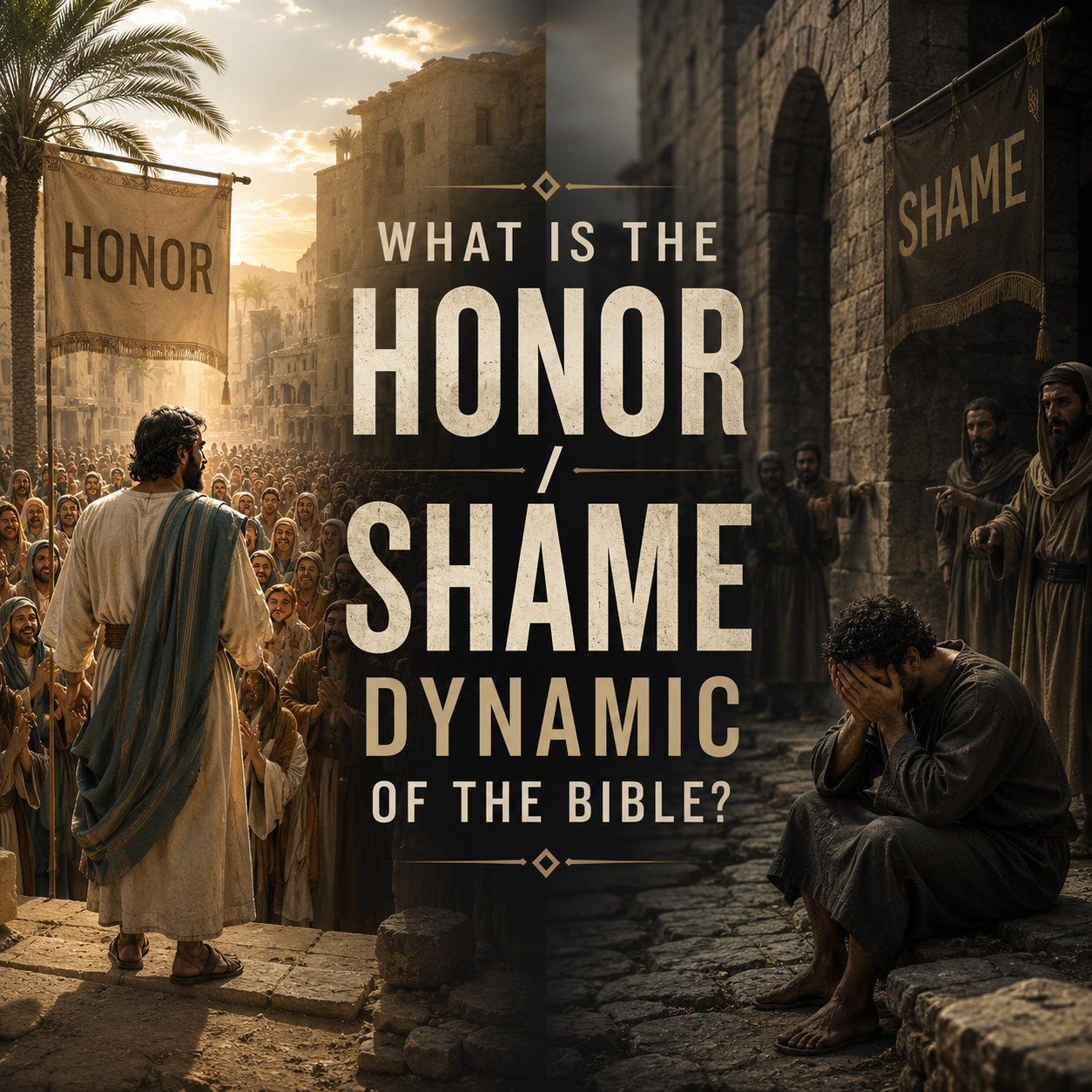
The Bible was largely written in an honor shame context, where honor is public worth and shame is public disgrace-not merely private feelings of guilt.
-
Western guilt innocence culture centers on law, rules, and individual responsibility, while honor shame cultures revolve around community, face, and reputation. Scripture speaks fluently in both languages.
-
Major Bible stories-from Genesis 3, to the prodigal son in Luke 15, to the cross in Hebrews 12:2-turn on honor and shame, not just legal guilt.
-
Paul's message in Romans and 1 Corinthians overflows with honor language (glory, boasting, status, adoption) that subverts the Roman honor system.
-
Understanding honor-shame culture aids in interpreting the Gospel message for discipleship, for modern shame culture expressions like social media, and for cross cultural missions in East Asia, the Middle East, Africa, and Latin America.
Introduction: Why Honor and Shame Matter for Reading the Bible
The Bible emerged from the ancient Mediterranean world (c. 2000 BC–AD 100), a deeply collectivistic society where public reputation, family name, and communal belonging shaped every aspect of life. The honor/shame dynamic in the Bible is a core social framework, not a footnote. Honor meant the public acknowledgment of a person's value. Shame meant exclusion, exposure, and disgrace.
Most people today in western cultures instinctively read scripture through legal categories-right and wrong, guilt and innocence, contracts and courts. That lens is real, but incomplete. The New Testament was written in an honor shame culture, and honor shame dynamics appear prominently throughout scripture. This article explains what the honor shame dynamic is, how it runs through the Bible's storyline, and why it matters for your own lives-whether you're a pastor, a missionary, or someone simply trying to understand the gospel more deeply.

Guilt–Innocence vs Honor–Shame: Two Major Cultural Lenses
Anthropologists and missiologists often describe three broad moral-cultural worldview frameworks: guilt innocence, honor shame, and fear power. Here we focus on the first two.
Guilt innocence culture, typical of modern Western societies shaped by Roman law and the Enlightenment, regulates behavior through rules, conscience, and legal consequence. A person feels guilt when they violate a law or internal moral code, and sin is framed as law-breaking.
Honor shame cultures-common historically in the Bible's Mediterranean context and today across the Middle East, central Asia, east Asia, Latin America, and sub-Saharan Africa-operate differently. Morality in honor shame cultures focuses on preserving community reputation. Honor shame cultures prioritize community reputation over individual guilt, and public perception often matters more than private conscience in these cultures.
A concrete comparison: in a guilt innocence setting, wrongdoing leads to court, a fine, or punishment. In a shame culture, it leads to gossip, loss of status, social exclusion, or violent attempts to "restore honor."
The Bible addresses both patterns. It talks about sin as trespass and debt (legal language) and about shame, nakedness, rejection, glory, and adoption (honor language). These frameworks overlap in every society, even when one dominates the cultural worldview.
Honor and Shame in the World of the Bible
The biblical story unfolds within specific historical settings: patriarchal clans in the ancient Near East (Abraham c. 2000 BC), tribal Israel, and the Greco-Roman world of the first century AD. In these honor shame cultures, one's family, village, and patron networks defined personal identity. A person's "name" (Hebrew shem) and lineage were priceless social capital.
Honor can be ascribed or achieved in biblical cultures:
-
Ascribed honor comes from birth or family status-your tribe, your father's house, your lineage.
-
Achieved honor is won through actions and loyalty-courage in battle, faithfulness to covenant, public generosity.
Genealogies in Genesis 5, 1 Chronicles 1–9, Matthew 1, and Luke 3 functioned as honor lists. Genealogies establish family honor and covenant identity in the Bible, showing who belonged, who carried God's promises, and whose name had weight.
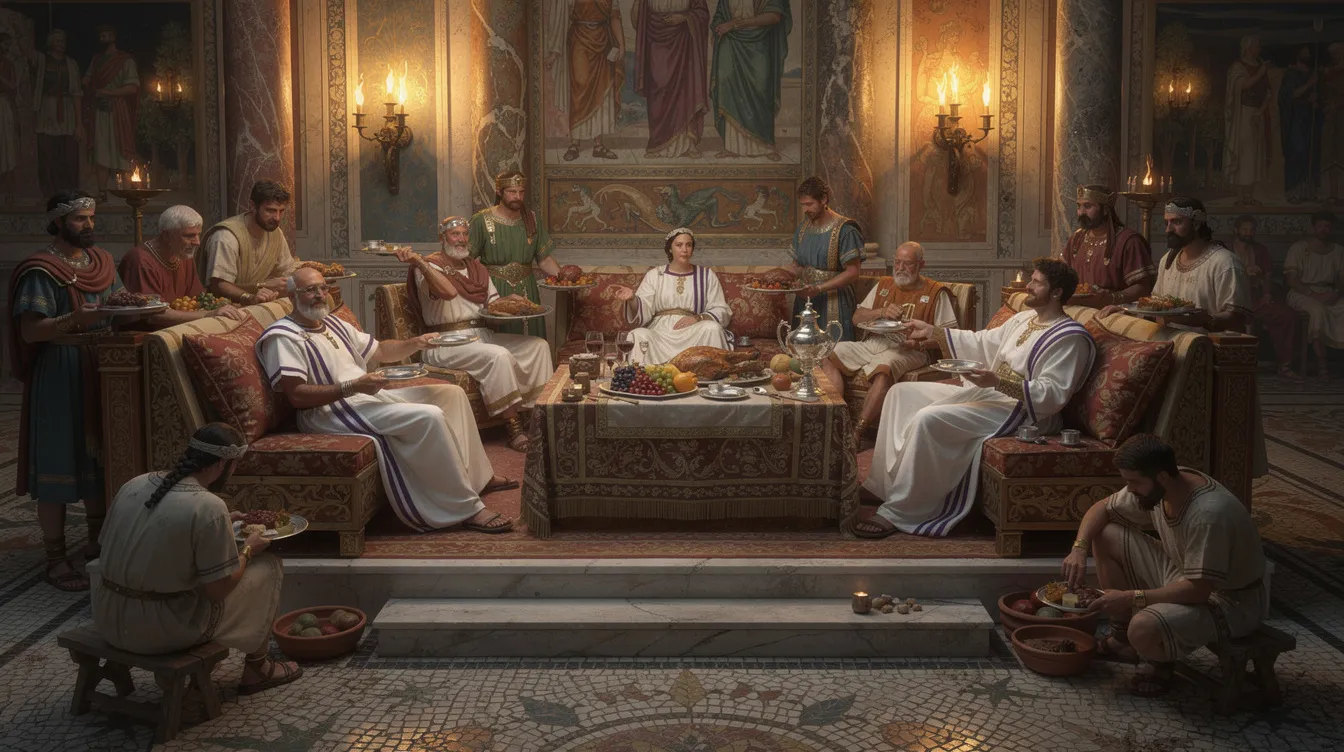
Public recognition is essential for honor and identity in biblical cultures. Honor is gained by fulfilling social roles and expectations, and honor and shame determine social bonds through reciprocal obligations. Social interactions in biblical contexts are influenced by honor and shame-from seating hierarchies at banquets (Luke 14:7–11) to competitive boasting to public challenges that had to be answered to avoid disgrace.
Biblical narratives often operate through a collectivistic framework. In biblical texts, communal identity greatly affects individual behavior. Disobedience by one member stained the whole household-Achan's sin in Joshua 7 brought shame on all Israel. Shame results from dishonoring one's family or group, not just from breaking an abstract rule.
Roman society (1st c. AD) structured life by rank: senators, equestrians, freedmen, slaves. Crucifixion was designed as the most shameful, degrading death imaginable-a tool of public disgrace, not just punishment.
Honor–Shame Threads in the Biblical Storyline
From Genesis to Revelation, the Bible traces how humans lose, seek, distort, and finally receive true honor from God. The word "shame" (Hebrew bosh) appears over 150 times in the RSV-roughly twice as often as "guilt" in scripture.
The Fall (Genesis 2–3). Adam and Eve were "naked and not ashamed" (Gen 2:25). After disobedience, humanity's fall introduced shame and fear of exposure. They covered themselves, hid, and were expelled. This is both guilt (law-breaking) and shame (relational rupture, loss of dignity). Shame is a social loss of status-and the first humans experienced it immediately.
Israel's Calling. God chose a small nation to bear His name (Deut 28:9–10), promising honor among the nations for faithfulness. But shame is linked to the consequences of sin or covenant unfaithfulness: idolatry brings "disgrace" and "reproach" (Jer 24:9), while God promises to "remove the disgrace of his people" (Isa 25:8) and give them "a name better than sons and daughters" (Isa 56:5). Honor is gained by fulfilling God's covenant expectations.
Jesus' Ministry as Honor Reversal. Jesus' teachings often challenge traditional social standards of honor. He eats with tax collectors and sinners (Luke 5:27–32), touches lepers, and honors the shamed-like the bleeding woman in Mark 5. Jesus equates true honor with humility and service, not status, turning the world's honor system upside down.
The Prodigal Son (Luke 15). The prodigal son's story illustrates restoration of honor in scripture. The son dishonors one's family by demanding his inheritance early-treating his father as dead. He returns in shame, expecting to be a servant. But the father runs to him, clothes him, and throws a public feast. This is not quiet forgiveness; it is public restoration of identity and respect within God's family.
The Cross and Resurrection. Jesus bore the curse of a shameful death (Deut 21:23; Gal 3:13), "despising the shame" (Heb 12:2). Jesus died as a criminal, exposed and mocked. Yet Jesus' crucifixion exemplifies the transformation of shame into honor. The resurrection of Jesus represents the ultimate honor-status reversal: God exalted Him to the highest place, giving Him a name above every name (Phil 2:9–11). Jesus' sacrifice addresses both guilt and shame in the gospel.

Paul's Message in an Honor–Shame World
Paul preached within the honor shame culture of the Roman Empire (c. AD 40–67), where status, reputation, and public glory were everything. Paul's letters reflect the honor shame context of his time, and his proclamation of the gospel about Jesus Christ directly challenged Rome's imperial message.
Paul relocates ultimate honor from Caesar's household to God's family in Christ. In Romans, he blends guilt innocence and honor shame themes: people are guilty of sin (Romans 3:23), yet also "fall short of the glory [honor] of God." In Christ, believers are justified (legal acquittal) and share in God's glory (Romans 8:17–21).
Paul's language is saturated with family and status words: adoption as children (Rom 8:15; Gal 4:5), citizens of heaven (Phil 3:20), co-heirs with Christ, a new identity in Christ (2 Cor 5:17). Restoration of honor often requires public acknowledgment in the Bible, and Paul makes that acknowledgment through the truth of the gospel.
In 1 Corinthians 1–4, Paul critiques Corinthian boasting and status games. God chooses the foolish, weak, and despised to shame the wise and strong, so that boasting is only "in the Lord" (1 Cor 1:31). Paul's message does not replace guilt innocence with honor shame but integrates them: the cross satisfies God's justice while restoring dignity, meeting both the courtroom verdict and the honor reversal.
Honor–Shame, Guilt–Innocence, and Today's Cultures
Modern globalization and the internet have mixed cultural patterns. Even in traditionally Western contexts, shame culture dynamics are surging-social media "cancel culture" is essentially public shaming, and most people now navigate a digital reality where reputation can be destroyed in hours.
Classic honor shame cultures today-in the Middle East, east Asia, central Asia, and sub-Saharan Africa-still organize life around family reputation, hierarchy, and communal belonging. The gospel can restore honor and dignity in honor shame contexts when framed as God covering shame, welcoming people into His family, and granting a secure place at His table. Missionaries should present the gospel through honor-restoration lenses alongside legal forgiveness. Christians engaged in cross cultural missions and the great commission need both sets of lenses.
Pastors and disciplers should be able to talk about the cross in courtroom terms (forgiveness, salvation, justification) and in honor terms (cleansed, welcomed, named, adopted) depending on the cultural context. Examine your own cultural defaults. Don't project Western legalism or non-Western collectivism onto scripture-let the Bible's own honor shame perspective and guilt innocence patterns shape your faith and framework. Seek out free resources on honor shame dynamics to deepen your understanding.
Living as God's Honored but Humble People
Understanding honor and shame is not just for scholars or missionaries-it reshapes identity, relationships, and worship in your own community.
In Christ, believers receive a new status and family name: "children of God" (1 John 3:1). This frees you from seeking fragile honor through performance, appearance, or social approval. No need to grasp at worldly honor, and no need to be crushed by past shame, because God's verdict and welcome are decisive.
Practical outworkings include:
-
Welcoming the socially shamed into church life
-
Refusing status games in conversations and leadership
-
Practicing table fellowship across class and ethnicity
-
Honoring those the world overlooks (James 2:1–5)
Christian worship re-orders honor: believers publicly ascribe glory to God, confess misplaced honors, and learn to value what He values. Let God's honor define your sense of self-worth. Reflect on how you can participate in His mission of removing shame and restoring dignity in families, churches, and societies. That is the essential call of the gospel-restoration of honor and life through Jesus Christ.
FAQ: Common Questions About Honor–Shame in the Bible
Does focusing on honor and shame downplay personal sin and guilt?
Not at all. Scripture holds both together. Sin is both law-breaking and dishonoring to God. A full gospel must address guilt, shame, and fear. The honor shame perspective does not erase innocence or justice-it completes the picture. Ignoring shame means ignoring how most people in history (and in the Bible) actually experienced the consequences of sin.
If I live in a Western guilt innocence culture, how can I start reading the Bible with honor shame lenses?
Start by underlining words like glory, name, shame, boasting, honor, nakedness, and reputation whenever you encounter them in scripture. Pay attention context signals such as family imagery-adoption, inheritance, one's family, children, the language of belonging. Use cultural background commentaries that explain the Mediterranean context. You will quickly notice how much honor shame language you have been reading past.
How does honor shame shape church conflicts and reconciliation?
In many stories and community settings, public apology and restoration to the community matter as much as clarifying who was technically "at fault." A person who has been publicly shamed needs public restoration-not just a private conversation. The Bible models this: the prodigal son receives a public feast, not a quiet handshake. Reconciliation in an honor shame world involves visible re-dignifying.
What is the relationship between honor shame cultures and fear power cultures in missions?
Many societies blend all three frameworks-guilt innocence, honor shame, and fear power. Fear power cultures emphasize spiritual forces, curses, and divine protection. Missionaries serving in these contexts should listen carefully before choosing which gospel metaphors to emphasize, letting the local cultural worldview guide how they present the truth of Christ's victory, forgiveness, and honor restoration.

The Problem With Certainty