What Is the Significance of Bread in the Bible?
What Is the Significance of Bread in the Bible?
Bread is mentioned over 300 times in the bible, making it one of the most recurring symbols in all of Scripture. From the first pages of Genesis to the final visions of Revelation, bread carries meaning that touches every part of human experience: hunger, labor, worship, community, and salvation. Understanding the significance of bread in the bible opens a window into how God speaks through the most ordinary elements of life to reveal extraordinary truth.
Overview
-
In Scripture, bread signifies basic sustenance, god's daily provision through "daily bread," covenant relationship, community fellowship, and ultimately jesus himself as the bread of life.
-
The bible moves from physical bread-manna, unleavened bread, showbread-to spiritual food in the life of jesus, where he claims to be the true bread from heaven that gives eternal life.
-
Bread carries a sacred nature throughout Scripture: it marks salvation events like the exodus story and Passover, anchors worship in the tabernacle and temple, and defines the new covenant meal at the last supper and Communion.
-
Every major theme of bread in the old testament finds its fulfillment in Christ in the new testament, connecting physical life to spiritual bread and true food for the soul.
-
Understanding bread in the bible helps modern readers connect everyday needs like making bread and eating meals to deep spiritual realities of trust, forgiveness, and eternal life.
Why Bread Matters So Much in the Bible
Think about the bread sitting on your kitchen counter. For most of us, it is background-something we toast in the morning and forget about by noon. In the ancient Near East, bread was anything but background. It was the difference between life and death.
The Hebrew word for bread, lechem, is so central that it often simply means "food" in general. The Hebrew word for bread is synonymous with food itself, showing just how deeply bread was woven into daily existence and language. Bread symbolizes God's provision and sustenance throughout the bible, from the promise of sweat-earned bread in Genesis 3:19 to jesus declaring "I am the bread of life" in John 6:35.
The deeper significance of bread unfolds across five major themes: physical survival, god's faithful provision, covenant and worship, fellowship and hospitality, and spiritual life in Christ. This article traces bread from unleavened bread and manna to daily bread and the bread of life, showing how each of these images ultimately points to jesus.
Bread as the Staff of Life in Biblical Times
In ancient Israel, a typical household started each day the same way: grinding grain and baking simple loaves over a clay oven or hot stones. Bread was the fundamental component of the daily diet. Archaeological evidence suggests that bread and grain provided roughly 50 to 70 percent of daily caloric intake for ordinary Israelites across many historical periods.
For most families, bread-not meat-was the center of every meal. Losing your bread supply meant famine. Losing your grain fields meant death. This is why "bread" often stands as shorthand for "life" itself (Lamentations 1:11).
The connection between bread and labor runs deep. After the fall, God tells Adam he will eat bread "by the sweat of your face" (Genesis 3:19), tying bread to toil, dependence, and mortality. Bread symbolizes sustenance and physical provision throughout the bible.
Not all bread was equal:
-
Barley bread was the staple food for ordinary Israelites, affordable and widely available.
-
Wheat bread was considered superior and reserved for the wealthy, preferred for its lighter texture.
-
Fine flour was used for special occasions and temple offerings.
Because bread was so essential to physical life, God chose it as a powerful symbol of his care, judgment, and presence across both the old testament and new testament.
Unleavened Bread and the Exodus Story
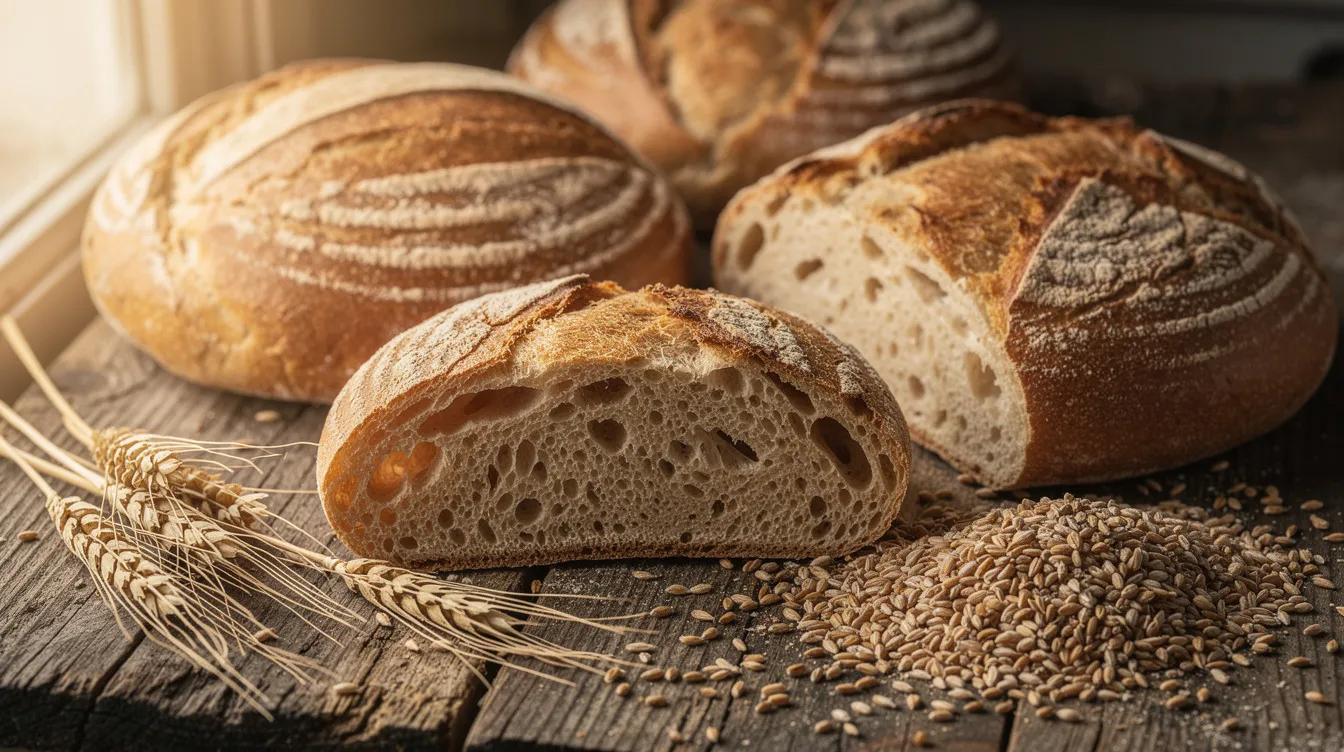
Unleavened bread-matzah-is flat bread made without yeast, baked quickly before the dough can rise. Its story begins on one of the most dramatic nights in Scripture.
In the Exodus story recorded in Exodus 12, the Israelites prepared to leave Egypt in desperate haste. There was no time to let dough rise. They carried their kneading bowls and raw dough out of slavery, baking unleavened bread along the way. This bread forever commemorates rescue from bondage.
Deuteronomy 16:3 calls it "the bread of affliction," reminding God's people of their suffering in egypt and of God's mighty deliverance. Unleavened bread symbolizes purity and urgency during Passover. It also symbolizes haste in the exodus story-there was literally no time to wait.
The symbolic layers go further:
-
Haste and dependence: Israel had to trust God and move immediately.
-
Moral purity: Leaven later became a picture of sin or corruption spreading through a community (1 Corinthians 5:6–8), so removing leaven dramatized leaving behind the old life.
-
Identity: The Festival of Unleavened Bread required Israel to remove all leaven from their homes and eat only unleavened bread for seven days, shaping national memory and worship each year.
The link to the new testament is direct. Jesus celebrated Passover with unleavened bread at the last supper, transforming this ancient symbol into a sign of the new covenant in his body. What moses and the Israelites began, christ fulfilled.
Manna in the Wilderness: Bread from Heaven
After escaping Egypt, Israel faced a new crisis: hunger in the desert. Exodus 16 records how God provided manna-thin flakes like frost appearing on the ground each morning for forty years. God provided manna as daily bread for Israelites in the wilderness, and the people called it bread from heaven (Exodus 16:4; Nehemiah 9:15).
The rules around manna were specific and instructive:
-
Gather only what you need for one day.
-
Extra manna spoiled if hoarded overnight.
-
On the sixth day, gather double because none would appear on the Sabbath.
These rules trained Israel against unbelief and taught daily dependence. God continuously supplied what was needed-never too much, never too late.
A jar of manna was placed before the lord (Exodus 16:33–34) as a memorial to future generations, a physical reminder that god provided in impossible circumstances.
Deuteronomy 8:3 interprets the manna experience explicitly: God fed them with manna to teach that "man does not live by bread alone but by every word that comes from the mouth of the Lord." This verse connects bread daily to something deeper, God's word as the true sustenance of life.
In John's gospel, Jesus picks up this thread directly. He compares himself with manna, claiming to be a greater bread from heaven. Their fathers ate manna in the wilderness and still died, but whoever eats the true bread from heaven that Jesus offers will live forever (John 6:49–51).

Bread of the Presence: Bread Before God's Face
Inside the tabernacle, and later the temple, stood a golden table holding some of the most sacred bread in all of Scripture. The "showbread" or "bread of the Presence" (Hebrew: lechem hapanim) is described in Leviticus 24:5–9.
The setup was precise: twelve loaves of fine flour arranged in two rows on the golden table, representing the twelve tribes of Israel perpetually before god. The showbread represented the twelve tribes of Israel before God-a physical sign that all of God's people were constantly in his sight.
Their sacred nature was unmistakable. The loaves were replaced every Sabbath. Only priests could eat the week-old bread, and only in a holy place. This was not ordinary food-it was an offering of Israel's life and labor to God. The showbread in the temple represented God's presence among the Israelites, a continual reminder that he dwelt with his people.
The symbolism runs deep: god receives the work of human hands (grain, making bread) and in turn sustains his people in covenant relationship.
In 1 Samuel 21, David ate the consecrated bread when he was fleeing for his life. Jesus later referenced this story (Matthew 12:3–4) to highlight that mercy and human need fulfill the purpose of sacred bread rather than rigid formalism.
Early Christians saw in the bread of the Presence a foreshadowing of christ-the one who stands in God's presence for us and becomes the true bread shared with all believers, not just priests in a holy place.
Bread in Sacrifices and Grain Offerings
Not all Levitical sacrifices involved animals. Many were grain offerings of flour, oil, and bread (Leviticus 2), accessible even to the poorest worshiper. A grain offering typically used unleavened cakes or wafers, sometimes mixed or anointed with oil and accompanied by frankincense, creating what Scripture calls a "pleasing aroma" to the lord.
These offerings symbolized:
-
Gratitude for harvest and God's provision of "bread from the earth" (Psalm 104:14–15).
-
Dependence on God as the source of every meal and every season.
-
Dedication of everyday work-farming, grinding, baking-back to God.
Interestingly, some peace offering rituals also included loaves of leavened bread (Leviticus 7:13), indicating joyful celebration and shared meals between God, priests, and the community. The peace offering was a picture of fellowship, not just sacrifice.
The new testament sees Jesus as the fulfillment of these offerings. Christ is the perfect sacrifice and "bread offering" who gives himself wholly for the life of the world. For modern readers, these rituals show that even ordinary acts like making bread can become worship when offered with thanks and obedience to god.
Bread, Hospitality, and Fellowship
Sharing bread was the primary way to show hospitality, friendship, and reconciliation in biblical culture. Bread was central to hospitality rituals in biblical times-refusing to share bread with a guest was a serious social offense.
Consider Abraham in Genesis 18:5–6. When three visitors arrived at his tent, he hastened to offer "a morsel of bread" and then ordered Sarah to prepare bread from fine flour. Abraham offered bread to his three visitors as an act of generous hospitality that revealed his character and, ultimately, a divine encounter.
Other examples reinforce the pattern:
-
Abraham and Melchizedek (Genesis 14:18): bread and wine accompany blessing. Covenants in the bible often included bread and wine as symbols of peace and covenant commitment.
-
David and Mephibosheth (2 Samuel 9:7): David showed continual hospitality to Mephibosheth, inviting him to eat bread at the king's table-a sign of restored dignity and protection.
To eat bread with someone meant to be at peace, in fellowship, and under shared protection. The breaking of bread signifies fellowship and community in biblical culture. Breaking bread fosters community and inspires conversation, turning a simple meal into a covenant act.
Jesus carried this forward by dining with tax collectors and sinners. The early church continued the practice, breaking bread in their homes (Acts 2:46) as a sign of welcome and unity. Recovering the biblical meaning of hospitality through simple bread and meals remains a powerful witness of God's compassion and forgiveness today.

"Give Us This Day Our Daily Bread": Dependence and Trust
In the Lord's prayer, Jesus taught his disciples to ask: "Give us this day our daily bread" (Matthew 6:11). The Lord's prayer includes a request for daily bread, symbolizing reliance on god for everything we need.
This request covers physical food and all basic needs-shelter, health, work, and sustenance-while acknowledging god as the ultimate source of every meal and harvest. It is a deliberate echo of Israel's daily manna: Jesus told his followers to depend on God one day at a time, resisting anxiety about tomorrow (Matthew 6:25–34).
But daily bread is not only material. We need God's word, presence, and grace constantly-not just occasional spiritual "feasts." Jesus spoke this prayer to form a people who would come to the father each morning with open, dependent hands.
For modern readers, praying for daily bread confronts self-sufficiency, consumerism, and the illusion that we control our own life and security. Psalm 37:25 says, "I have not seen the righteous forsaken, nor his children begging bread." God's track record of faithfulness invites trust.
In many Christian traditions, daily bread also points forward to the Eucharist and Communion-the regular spiritual food that sustains believers between Sundays and across lifetimes.
"Man Shall Not Live by Bread Alone": Spiritual Food
In the wilderness, hungry and alone after forty days of fasting, Jesus faced his first temptation: turn stones into bread (Matthew 4:1–4). He refused and quoted Deuteronomy 8:3: "Man shall not live by bread alone, but by every word that comes from the mouth of God."
Jesus explained in that moment that bread matters-but it is not enough. People need more than physical food. They need every word that comes from God. Bread represents spiritual nourishment in Christian theology, pointing beyond the stomach to the soul.
The contrast is sharp:
| Need | Source |
|---|---|
| Physical hunger | Bread, food, daily provision |
| Spiritual hunger | God's word, promises, commands |
Bodies require bread daily, but souls require god's voice to truly live. This shapes Christian spiritual practices: reading Scripture, meditating on God's word, and prayer become as essential as eating-not optional extras.
A practical step: treat regular time to study God's word like mealtimes-scheduled, non-negotiable, nourishing, and communal when possible. Spiritual bread sustains the part of you that physical bread cannot reach.
This teaching prepares us to understand why Jesus later calls himself the bread of life-the ultimate spiritual food that satisfies forever.
Jesus the Bread of Life: "I Am the Bread of Life" (John 6)
In John 6:35, Jesus declares: "I am the bread of life; whoever comes to me shall not hunger, and whoever believes in me shall never thirst." Jesus is referred to as the bread of life in John 6:35, and this claim stands at the center of the entire biblical bread narrative.
The context makes the declaration even more striking. Earlier that day, Jesus had fed a crowd of five thousand with only five loaves of barley bread and two fish (John 6:1–14). The disciples gave the food to the crowd, and everyone ate until satisfied, with twelve baskets left over. The crowd pursued Jesus afterward, hoping for more miraculous bread.
But Jesus redirected them. He told the crowd plainly: "Your fathers ate manna in the wilderness, and they died. I am the living bread that came down from heaven. If anyone eats of this bread, he will live forever" (John 6:49–51). Jesus declared, "I am the living bread that came down from heaven," drawing a direct line between himself and every previous picture of bread in Scripture.
Jesus explained further-and this is where it became difficult for many listeners. He spoke of eating his flesh and drinking his blood (John 6:53–58), saying "whoever feeds on my flesh and drinks my blood abides in me, and I in him." As the living father sent him, so whoever feeds on him will live because of him. This language describes trusting, receiving, and participating in his sacrificial life. It is the language of faith and union, not literal consumption.
What makes this passage so remarkable is how jesus fulfills every earlier picture of bread in the bible:
-
Daily bread: He provides what we need each day.
-
Bread from heaven: He came down from heaven, sent by the father.
-
Bread of the Presence: He stands before God for us.
-
Sacrificial bread: He offers his body for the life of the world.
Jesus calls himself the true food and true bread that all previous bread only pointed toward. He is the one who satisfies the deepest hunger for forgiveness, belonging, and eternal life. Whoever comes to him receives new life-not just a temporary meal, but a relationship with god that death cannot end.
Bread Broken for Us: The Last Supper and Communion
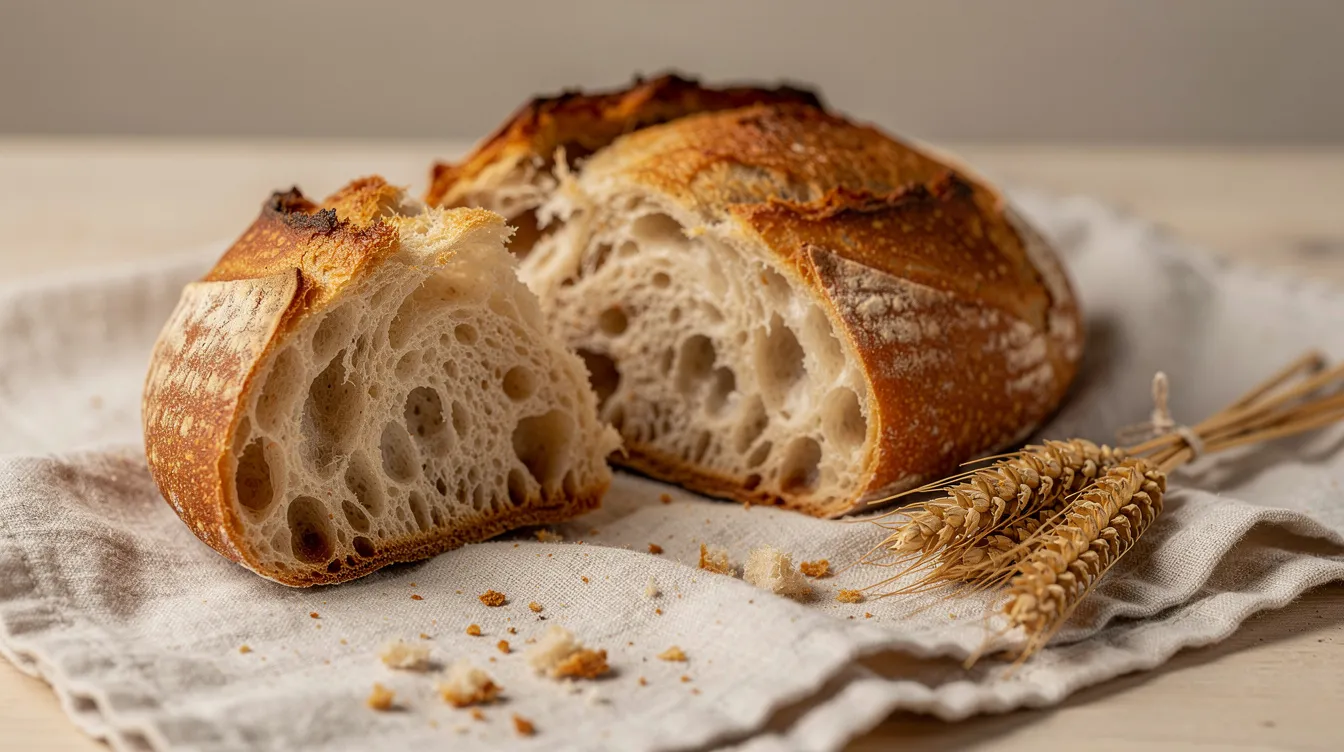
On the night before his death, Jesus took bread, gave thanks, broke it, and said to his disciples: "This is my body, given for you. Do this in remembrance of me" (Luke 22:19; Matthew 26:26–29). Jesus broke bread at the last supper, symbolizing his body offered for the world.
This Passover meal featured unleavened bread-the same bread that had commemorated Israel's deliverance from egypt for centuries. Now Jesus reinterpreted it. The bread at the last supper represents the new covenant in Jesus' blood. What had once pointed backward to Moses and Egypt now pointed forward to the cross and resurrection.
The early church took this seriously. Believers "broke bread" together regularly (Acts 2:42; 1 Corinthians 11:23–26), proclaiming the lord's death until he comes. The early church broke bread together daily in homes, combining ordinary meals with remembrance of Jesus' sacrifice. Communion involves breaking bread to remember jesus' sacrifice-an act of worship, memory, and hope.
The communal dimension is essential. Paul writes that because there is one bread, we who are many are one body, for we all partake of the one bread (1 Corinthians 10:17). One loaf joining many believers into one in Christ, regardless of status, ethnicity, or background.
Paul also warned against partaking in an unworthy manner (1 Corinthians 11:27–29), calling for self-examination, reconciliation, and reverence. This was a message aimed specifically at the Greco Roman audience and had specific meaning we generally misunderstand. The supper is not casual snacking-it carries the sacred nature of Christ's sacrifice.
When Christians receive communion bread today, they are remembering Jesus' broken body, receiving spiritual food, and renewing their commitment to live as his body in the world. Jesus broke bread with his disciples to symbolize communion, and every gathering at the table since then continues that act.
Bread, Forgiveness, and Compassion
In the new testament, shared meals and breaking bread often mark moments of forgiveness, restoration, and mercy.
Consider Zacchaeus (Luke 19:1–10). When Jesus invited himself to this tax collector's house in Jericho, the shared table became a visible sign of reclaimed dignity, repentance, and salvation "coming to this house." The meal was the medium of grace.
The prodigal son's return (Luke 15:11–32) culminates in a celebratory feast. While bread is not named explicitly, the banquet with the fattened calf pictures restored relationship and lavish grace-the father running to meet his son and preparing food for celebration.
To offer bread, especially to the poor, stranger, or enemy, is to embody God's compassion. Isaiah 58:7 commands: "Share your bread with the hungry." This links bread-giving to true worship. Jesus' parable of the sheep and goats (Matthew 25:31–40) makes it explicit: feeding the hungry with bread is treated as service to christ himself, revealing the eternal significance of simple acts of compassion.
Bread, in biblical symbolism, reflects God's care and human dependence. Bread symbolizes God's provision and healing throughout the bible-not just physical healing, but the restoration of broken relationships and communities. Every shared loaf or donated meal is a small but real participation in God's work of forgiveness and reconciliation.
Ingredients and Making Bread as Spiritual Picture
In ancient Israel, making bread was a daily, labor-intensive process: grinding grain by hand on stone querns, mixing flour with water and salt, sometimes adding leaven, kneading the dough, letting it rest, and baking it in simple clay ovens.
Many Christian writers and teachers have drawn symbolic parallels from these steps:
-
Grain crushed mirrors how Jesus was "bruised" for our iniquities (Isaiah 53:5).
-
Heat of the oven echoes the trials and suffering that shape faith.
-
Many grains forming one loaf symbolizes the church-diverse individuals united into one body.
Even the choice between leavened and unleavened bread carries meaning. Leaven often symbolizes both growth (Matthew 13:33, where the kingdom of heaven is like leaven spreading through dough) and, in other contexts, sin that must be removed (1 Corinthians 5:7).
God "kneads" our character over time. The Spirit acts as living water that turns dry flour into nourishing bread. These are gentle, suggestive analogies-not forced doctrines but they help connect the physical act of preparing bread to spiritual realities.
When readers engage in making bread today-kneading dough, watching it rise, smelling it bake-they can recall the sacred nature of bread in Scripture and Christ as their bread of life. God continued to use bread across every era of salvation history to teach, nourish, and transform.
Bread in Prophecy, Hope, and the Coming Kingdom
Bread does not only look backward to past salvation. It also looks forward to God's promised future.
Old testament prophets used abundant grain and bread as images of restoration and blessing. Psalm 132:15 promises: "I will abundantly bless her provisions; I will satisfy her poor with bread." Amos 9:13–15 envisions a day when the harvest overflows and god's people are planted permanently in their land. God continued to promise bread as a sign of his faithfulness and coming kingdom.
The new testament completes the picture. Revelation 19:9 describes the marriage supper of the Lamb-a great feast symbolizing final union between christ and his people, with bread and rich food expressing eternal joy. This is the banquet toward which all of history moves.
Jesus' healings and feedings in the Gospels (Mark 6:37; John 6) foreshadow this kingdom reality. Every loaf multiplied for the hungry previews a world where no one lacks bread daily or spiritual food. The living father who sent jesus will abundantly bless his people with provision that never runs out.
Every act of breaking and sharing bread now is a rehearsal for the coming kingdom feast-a small prophecy enacted in kitchens, churches, and community tables.
Conclusion: Living the Message of Bread in the Bible
From unleavened bread in the exodus story to the bread of the Presence, from manna to daily bread, and from the grain offering to jesus as the bread of life, Scripture uses bread to reveal God's heart.
The key themes are clear: dependence on God for every need, the sacred nature of ordinary meals, the call to feed both bodies and souls, and Christ as the ultimate bread from heaven. Bread symbolizes God's provision and sustenance from Genesis to Revelation, tying the entire biblical narrative together.
What can you do with this? Approach your next meal prayerfully. Open Scripture as spiritual food-study God's word as regularly as you eat. Share bread generously with those in need.
Every slice of bread can point you to the God who provides today and promises an eternal feast in his presence. The significance of bread in the bible is not locked in the past. It lives wherever bread is baked, broken, and shared in the name of Christ.

FAQ: Common Questions About Bread in the Bible
Here are answers to some of the most frequently asked questions about bread's role in Scripture.
Is "daily bread" in the Lord's Prayer only about physical food?
In Matthew 6:11, "daily bread" first refers to normal, everyday needs-food, shelter, health, and work-acknowledging that all of these come from God. However, many Christians also see a spiritual layer: asking for daily bread includes asking God for fresh grace, guidance, and spiritual food from his word and presence each day.
Pray this line with both dimensions in mind. Trust god for practical provision and inner renewal, one day at a time-just as Israel received manna morning by morning.
Why does the Bible sometimes use leaven (yeast) as a picture of sin?
Leaven spreads quietly through the whole lump of dough, which makes it an effective image for how sin or false teaching can permeate a community (1 Corinthians 5:6; Galatians 5:9). At Passover, Israel removed all leaven to dramatize leaving behind the "old life" of slavery and corruption when god set them free from egypt.
That said, leaven is not always negative. Jesus also uses it positively in Matthew 13:33 to picture the growing kingdom of heaven. Context determines the meaning. But its important to understand these stories are God's story and not an instruction manual.
How is Jesus being "bread of life" different from Him being "living water" or "light of the world"?
These are complementary metaphors. As bread of life (John 6), jesus satisfies spiritual hunger. As living water (John 4, 7), he quenches spiritual thirst. As light of the world (John 8:12), he dispels darkness and guides. Together they show Jesus as the complete source of life-he nourishes, refreshes, and illuminates believers, meeting every essential need of the soul.
Receive Christ in all these ways: feeding on his word, drinking in his Spirit, and walking in his light daily.
Did early Christians eat bread differently because of their faith?
Early believers regularly "broke bread" together (Acts 2:42, 2:46), combining ordinary meals with remembrance of Jesus' death and resurrection. While the bread itself was often the same as common household bread, its meaning at Christian gatherings was transformed into a sign of unity, thanksgiving, and participation in christ.
This practice shaped a culture where inviting someone to share bread became a spiritual as well as social act, expressing family-like fellowship in the body of christ. The disciples gave their tables a new and sacred purpose that continues in churches around the world today.

The Problem With Certainty