Context Posts
Applying context to any scripture changes the game.
June 9, 2026
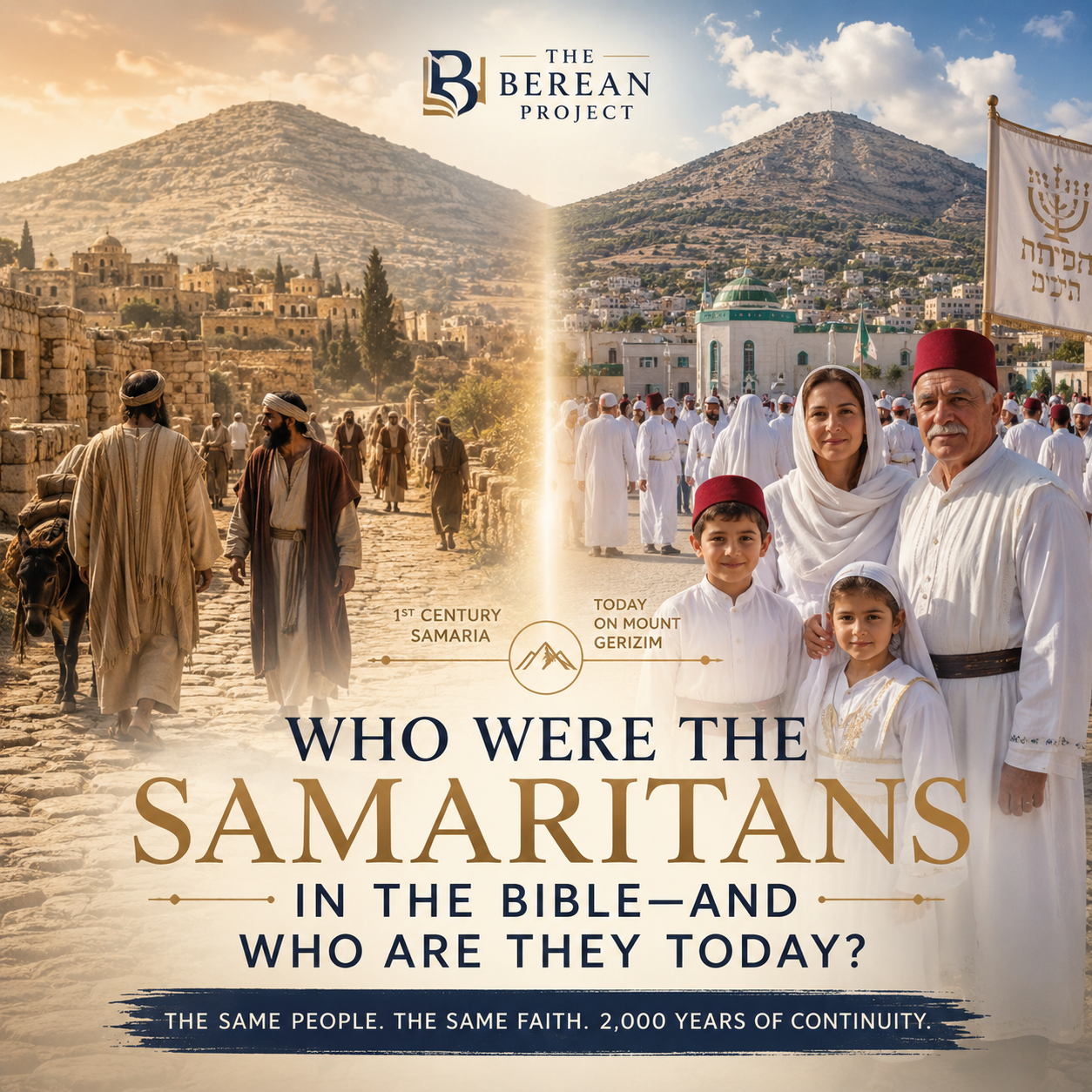
Who Were the Samaritans in the Bible – And Who Are They Today?
Who Were the Samaritans in the Bible – And Who Are They Today? Few groups in the bible carry as much weight in a single name as the Samaritans. They appear in some of the most powerful stories Jesus ever told, yet most readers know almost nothing a…
April 30, 2026
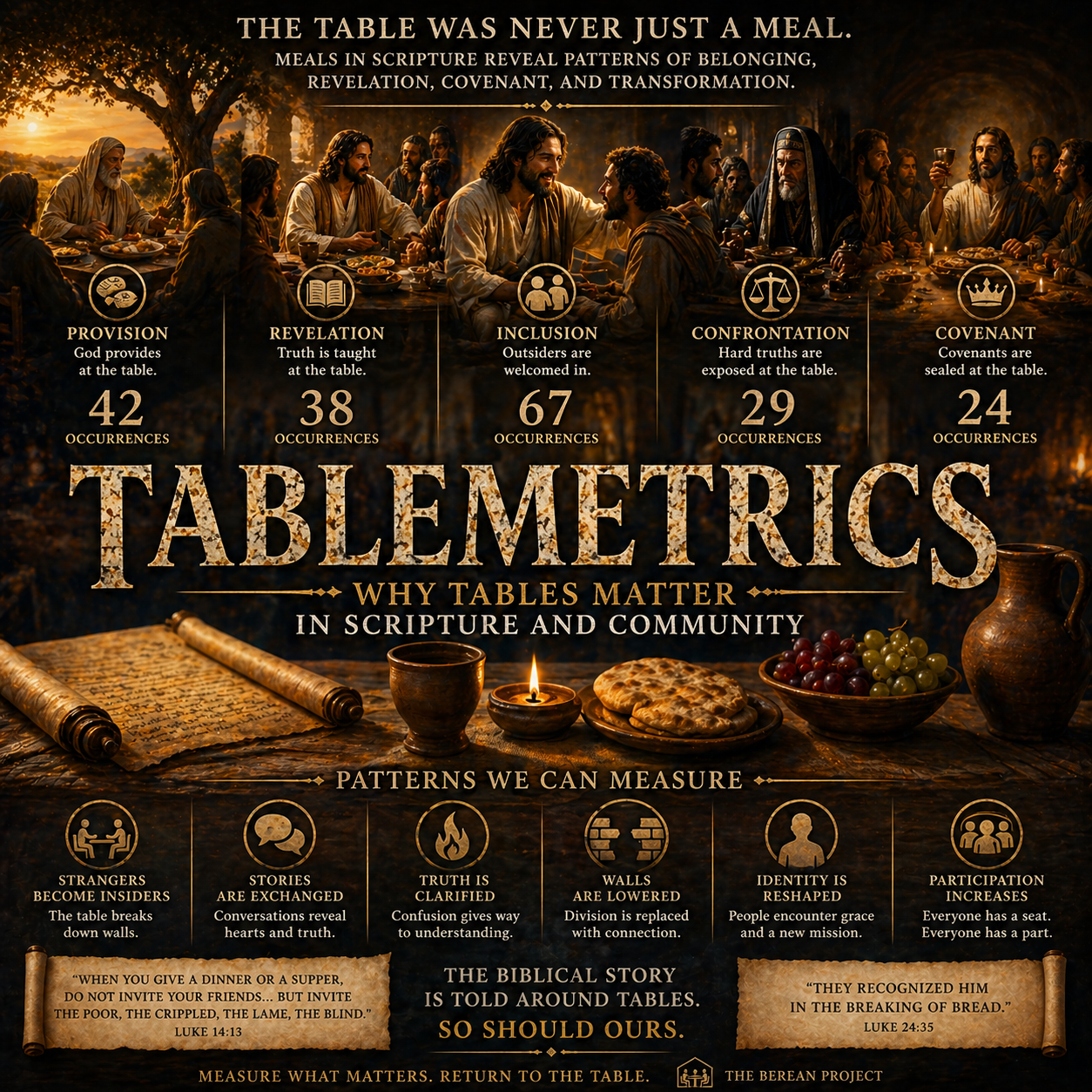
Biblical Meaning Of The Table
Have you ever wondered how many times in the Bible is the word "table", "banquet" "feast" "eats" "feeding" and "meal" mentioned. This is a context signal we call Tablemetrics. Tablemetrics is the measurable pattern of God’s work happening around…
April 27, 2026
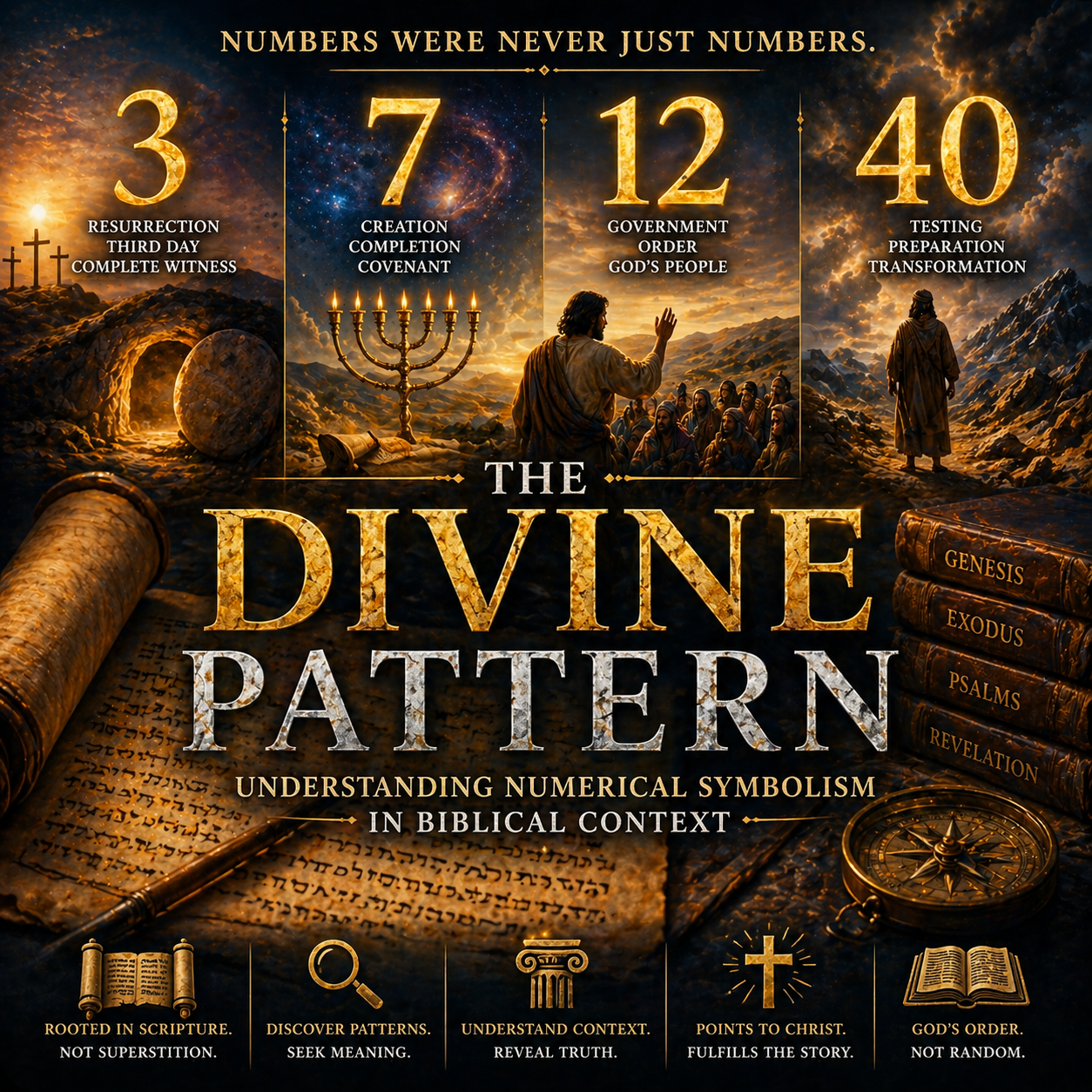
The Divine Pattern: Understanding Numerical Symbolism in Biblical Context
Biblical literature is not merely a collection of historical accounts and moral teachings; it is an intricately woven tapestry where numbers serve as a profound symbolic language that transcends simple counting. To the ancient writers, numbers often…
April 27, 2026
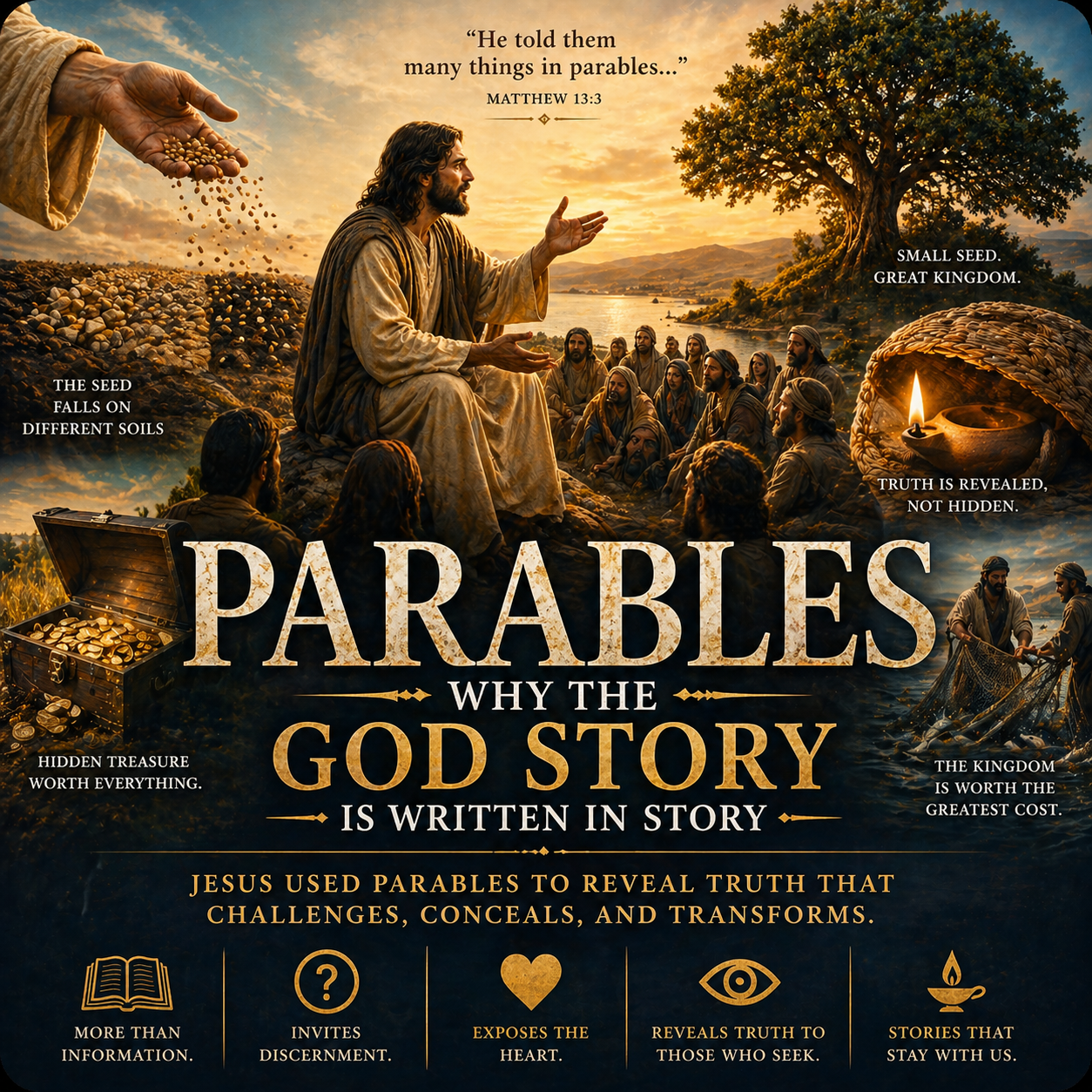
Why Jesus Spoke in Parables and What They Reveal
The Divine Subversion: Why the "God Story" is Written in Parables For years, many of us treated the Bible like a technical manual—a collection of data points and "proof texts" used to win arguments or solidify doctrines. But if you look at how the …
April 26, 2026
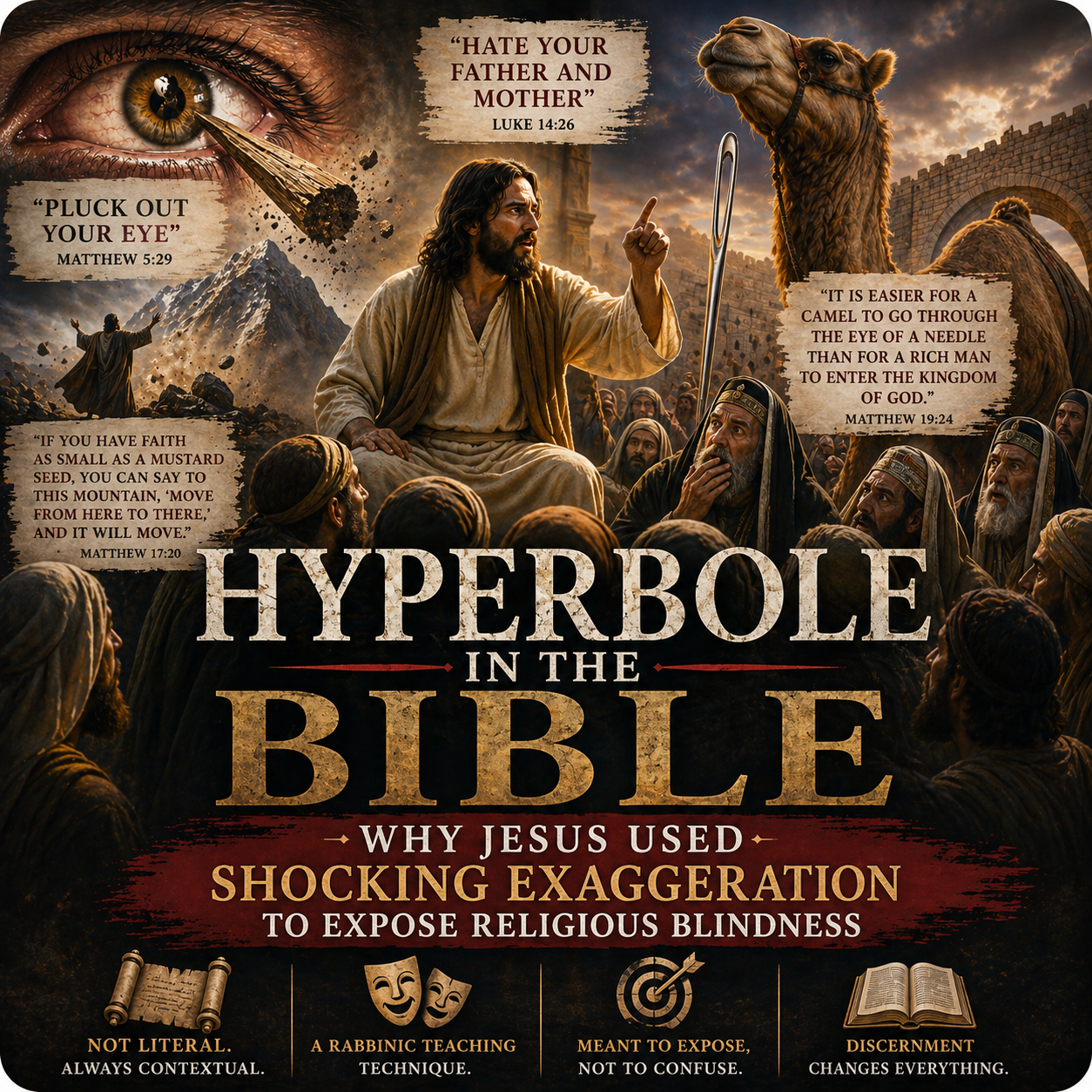
Hyperbolic Overstatement in the Bible: How Jesus Used Shocking Exaggeration to Expose Religious Blindness
Key Takeaways Biblical hyperbole is a deliberate figure of speech where more is said than is literally meant, designed to emphasize spiritual truth rather than convey factual information. Jesus frequently used hyperbolic statements to confront the …

April 17, 2026
What Is Peshat And How Does It Relate To Surface Level Reading Of The Bible?
Peshat: Beyond “Literalism” Reading Scripture with Context and Meaning When you hear that peshat means the “plain sense” or literal meaning of Scripture, you might assume it refers to a quick, surface-level reading. In Jewish tradition, however, pe…
April 16, 2026
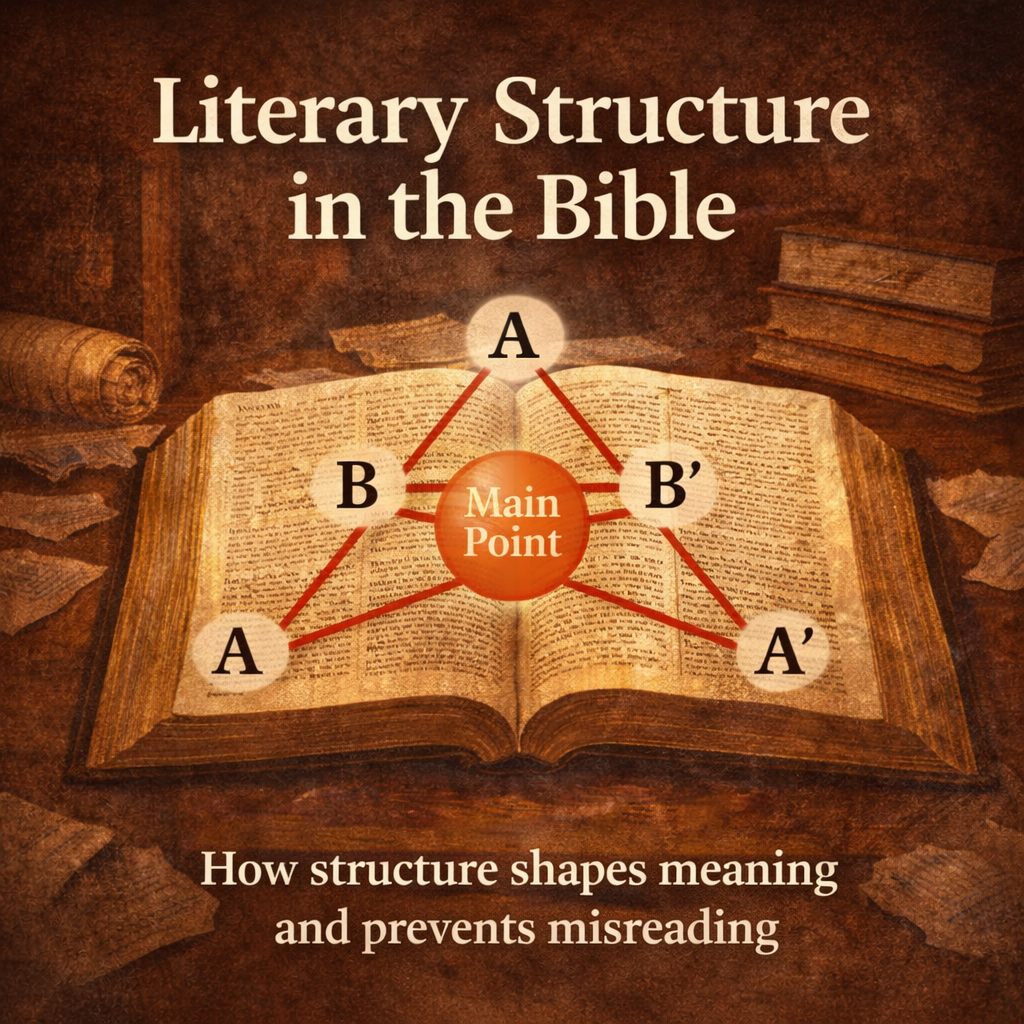
Literary Structure: Why the Bible Is Built the Way It Is
Literary Structure: Why the Bible Is Built the Way It Is One of the most overlooked signals in Scripture is not the words themselves… …but how those words are arranged. We tend to read the Bible as a collection of verses. But the biblical author…
April 16, 2026
Not Everything Is Said Out Loud, Understanding Implicit Meaning in the Bible
Implicit vs. Explicit Meaning: Why We Miss What Scripture Is Doing One of the biggest reasons Scripture gets misunderstood is that we’ve been trained to only trust what is explicit. If it’s not clearly stated, directly commanded, or plainly explai…

July 14, 2025
The Sling, the Crown, and the Crisis of Identity: Rethinking David and Goliath
The Context of Tension, Part One We have often talked a lot of about context and why it matters in the Bible. When you are aware of it, it makes the story come alive and more importantly, we are able to reference it as it was intended. Too many t…

July 7, 2025
Famine: When Context Starves, So Does the Church
Famine: When Context Starves, So Does the Church Some themes in Scripture carry what I call layered significance—layers that push far beyond the basic who, what, when, where, and why. These layers often make up an explanation of context that go f…

July 1, 2025
The Five W's of Biblical Context—Plus the Hidden Layers Most People Miss
The Five W's of Biblical Context—Plus the Hidden Layers Most People Miss Getting the context conviction is a long journey. This is not a one and done lesson. Any church that teaches a Sunday sermon on this topic and calls it complete is missing o…

May 17, 2025
The Told Principle
The Told Principle You may have heard about "The Told Principle" in episode three of our podcast. Or maybe you are just now stumbling upon this principle now. The told principle is taught to us at an early age. We go to school and we are taught …